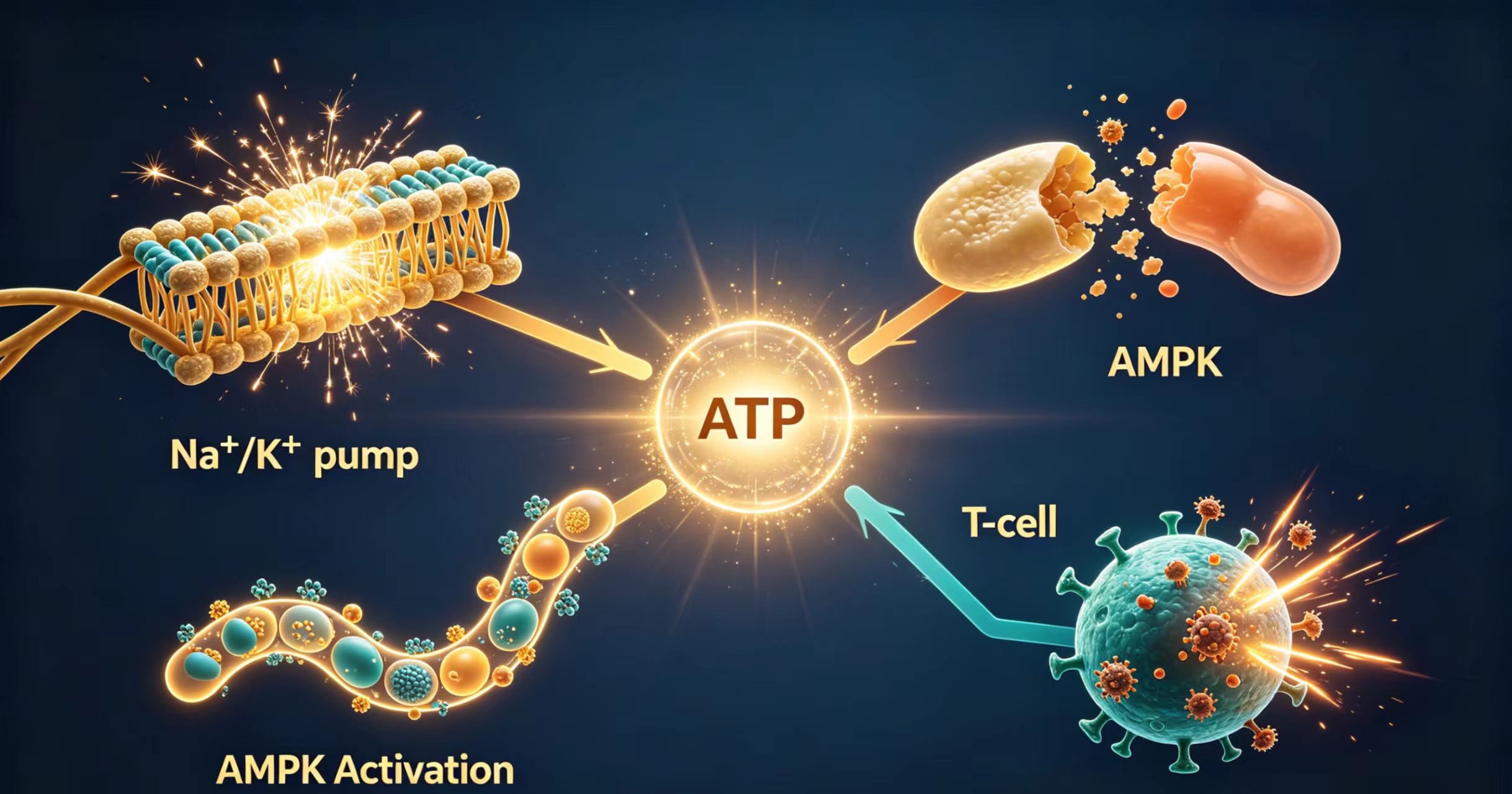
How light becomes energy. How energy becomes function. A biological cascade powered by cellular resonance.
The Biological Journey of Far-Infrared Energy
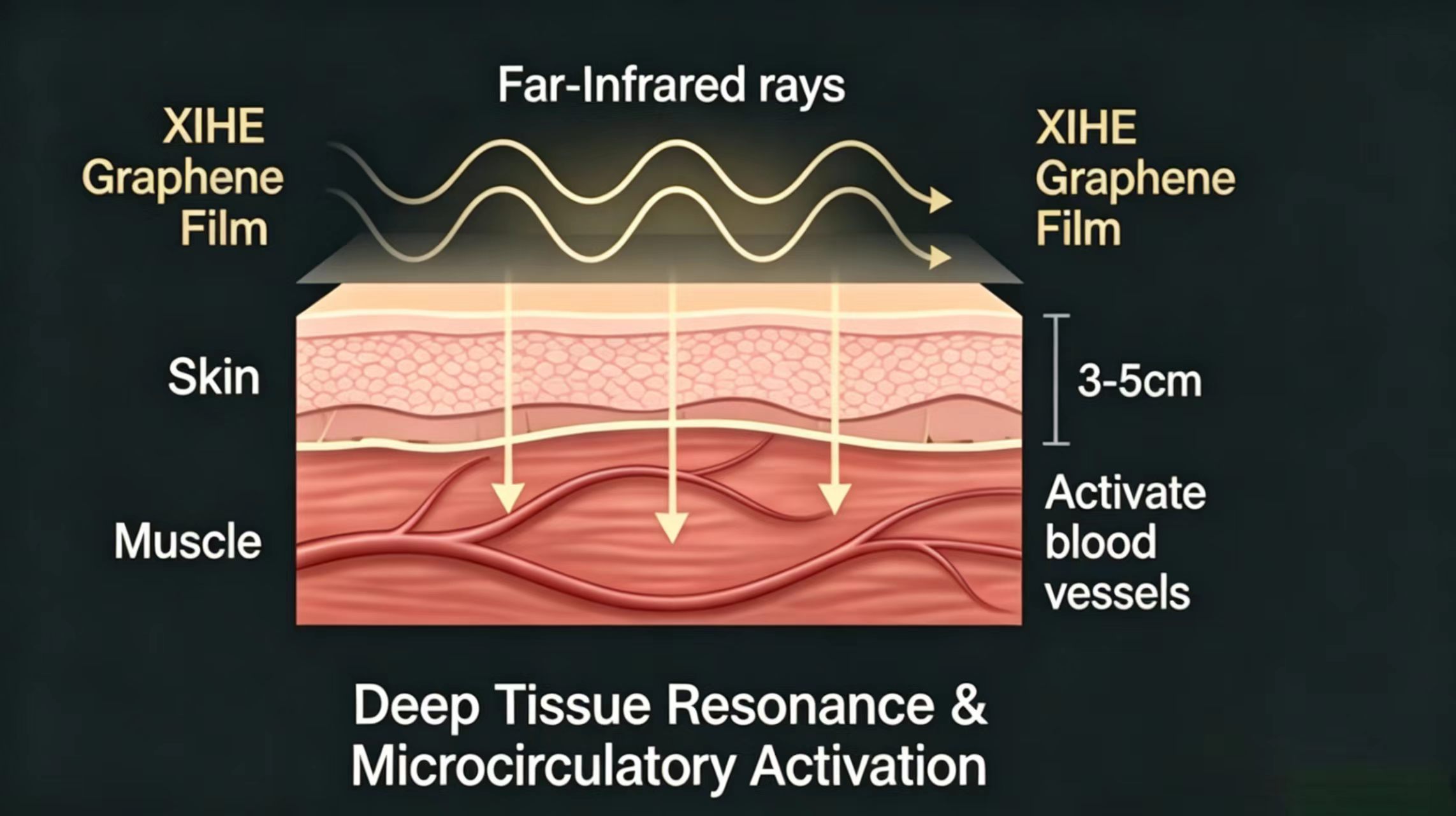
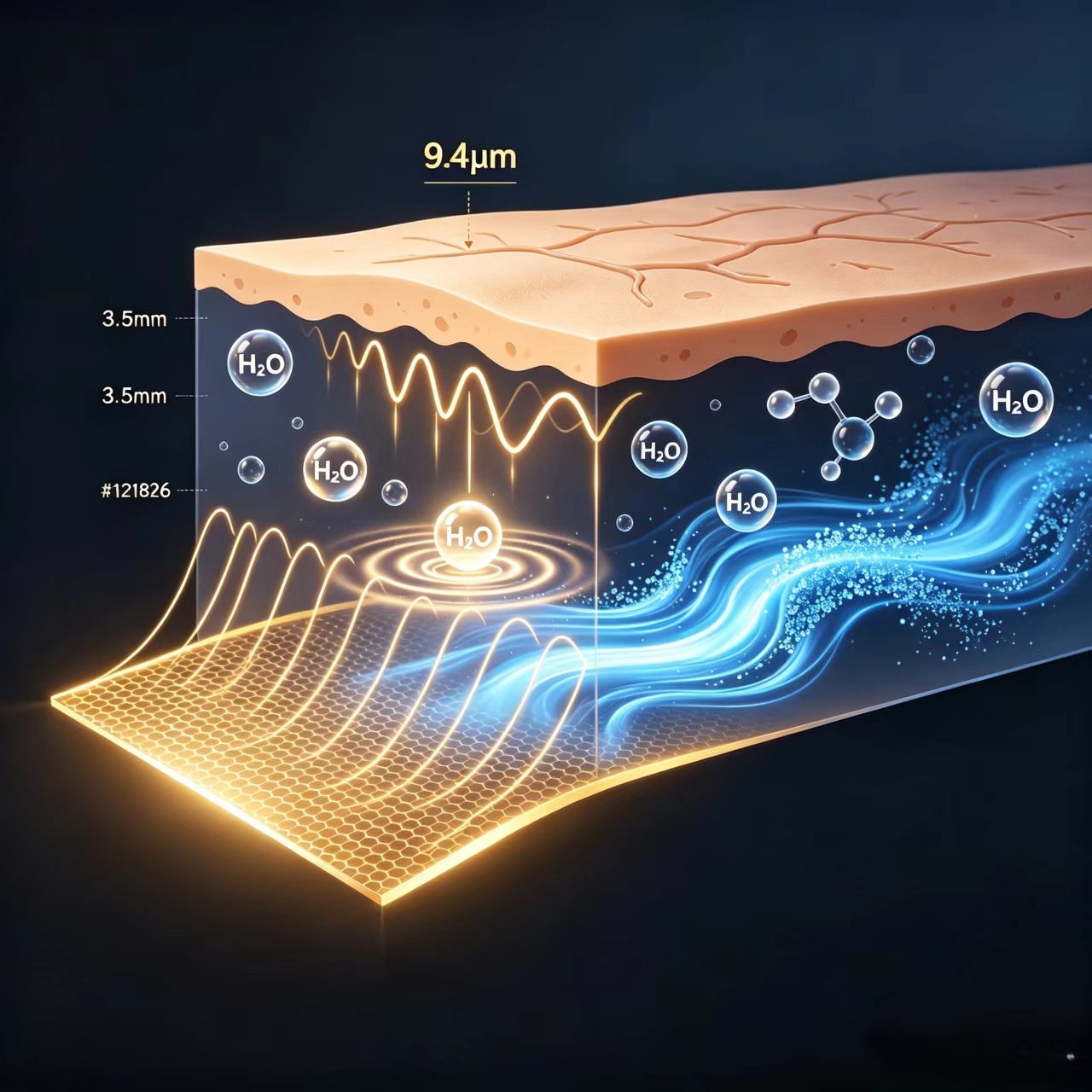
Biological systems depend on the continuous movement of water, nutrients, and signaling molecules. Far-infrared energy is readily absorbed by water-rich tissues, supporting the dynamic environment cells require to function efficiently.
"Stillness becomes flow."
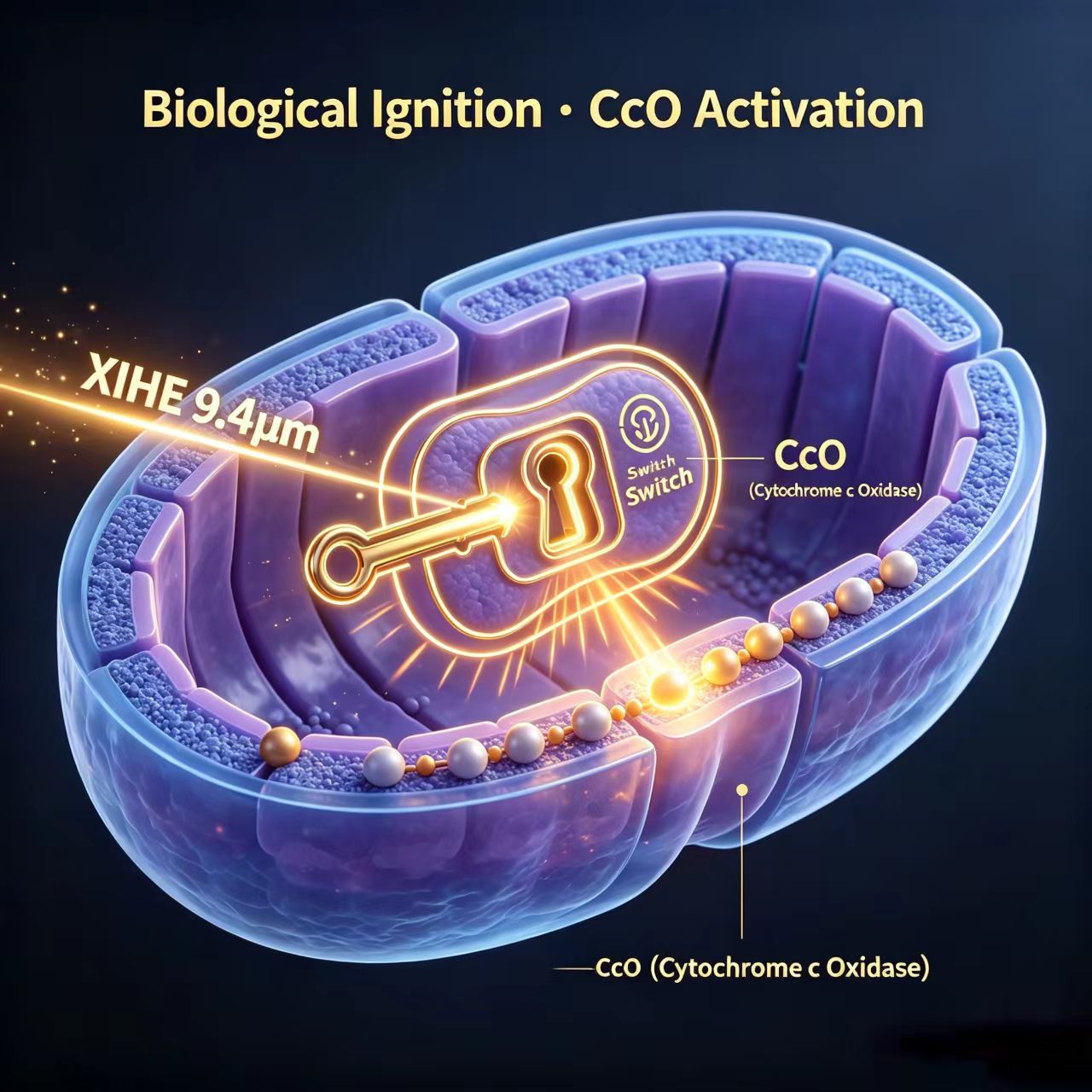
Far-infrared photons penetrate tissue and are absorbed by Cytochrome c Oxidase (CcO) — the spark plug of mitochondrial energy production.
"Supplements are the wood. Photons are the match."
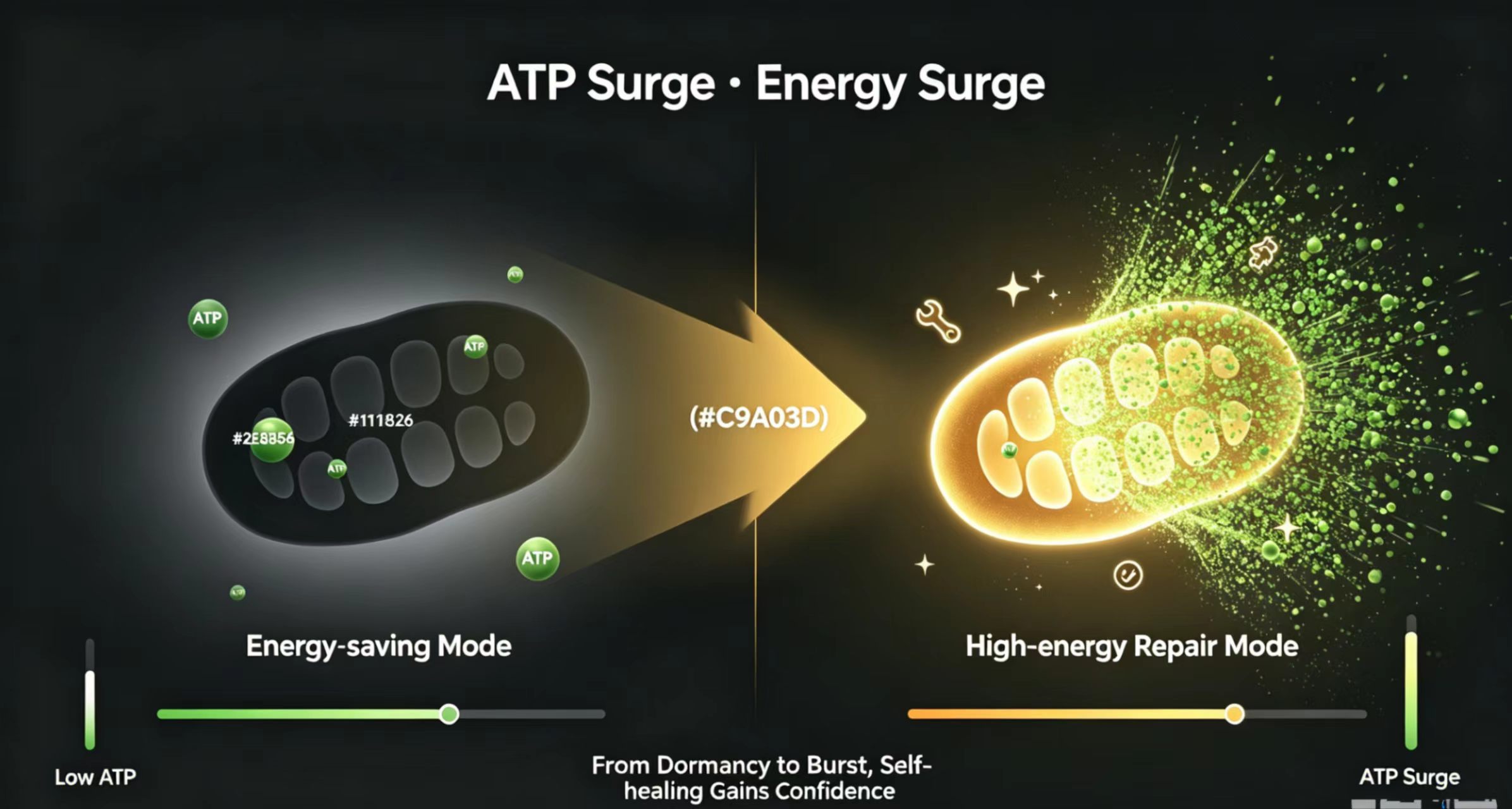
Research has associated far-infrared exposure with increased mitochondrial activity and ATP production — supporting the body's natural energy metabolism.
"Cellular function depends on continuous energy supply."
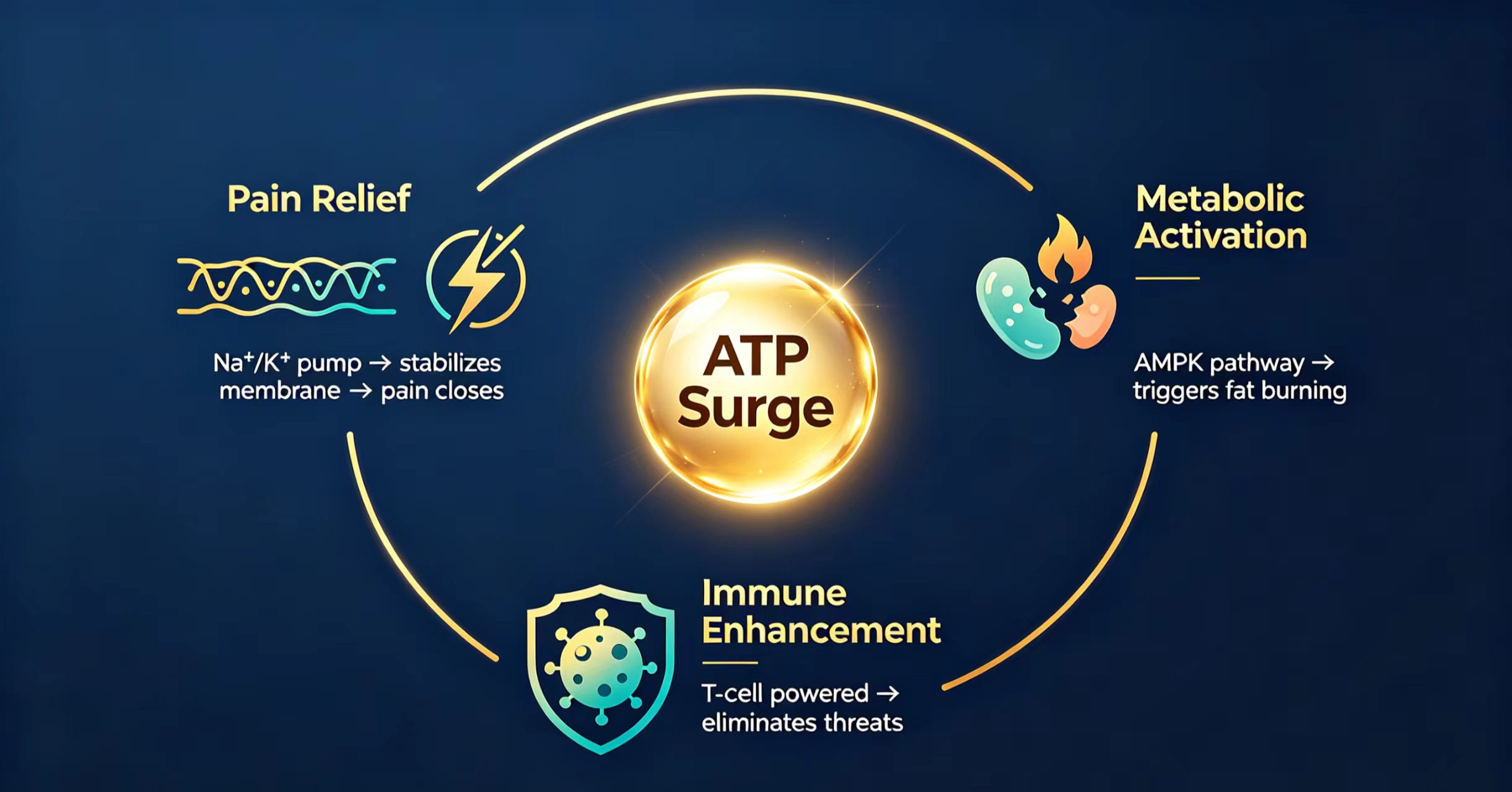
Cellular energy supports the ion gradients required for normal nerve function, metabolic activity, and immune cell performance.
"Supporting the conditions cells need to function."
Cellular energy supports the ion gradients required for normal nerve function and cellular communication. Clinical studies have reported improvements in comfort-related outcomes following far-infrared interventions.
Research suggests far-infrared exposure may support cellular energy utilization and the body's natural metabolic activity.
Cellular energy supports the metabolic requirements of active immune cells, contributing to normal immune system function.
We do not override your biology.
We simply restore your cells' conditions —
that primal energy which allows life
to reorganize chaos into order.
Most graphene products claim the same 5–15μm far-infrared band. That is only the beginning. What determines biological effectiveness is how efficiently that energy leaves the material and enters the body.
| Parameter | XIHE |
|---|---|
| Spectral Emissivity | ≥0.88 |
| Peak Emissivity | 0.95 |
| Electrothermal Conversion | 99.8% |
| FIR Window | 5–15 μm |
| Peak Resonance | 9.4 μm |
It is not just the band. It is the transmission.
How does 9.4μm far-infrared interact with cells?
Research suggests that far-infrared energy within the 5–15μm range is readily absorbed by water-rich biological tissues. At 9.4μm, studies indicate efficient energy transfer at the tissue level, supporting molecular motion and cellular transport processes.
What is the relationship between far-infrared and ATP production?
Published research has associated far-infrared exposure with changes in mitochondrial enzyme activity, including cytochrome c oxidase. Studies suggest this interaction may support mitochondrial energy production and ATP-related metabolic pathways.
Does graphene far-infrared support microcirculation?
Clinical research has observed improvements in microcirculation parameters following far-infrared application. The proposed mechanism involves FIR interaction with water molecules in biological tissues, supporting vascular function and tissue oxygenation.
How is XIHE's resonance different from conventional heating?
Conventional heating primarily warms the skin surface through thermal conduction. XIHE's high-emissivity graphene technology is designed to emit far-infrared energy concentrated within the 5–15μm spectral window, supporting energy delivery to deeper tissue layers through radiative transfer rather than surface heat alone.
Discover how XIHE's proprietary graphene far-infrared technology is integrated into full-body capsules, cabins, portable devices, and precision-engineered heating solutions.
View Resonance Products →