How Is Mitochondrial Disease Managed?
Most mitochondrial diseases are managed rather than cured. Care often focuses on symptom control, nutrition support, rehabilitation, monitoring affected organs, avoiding triggers, and improving quality of life.
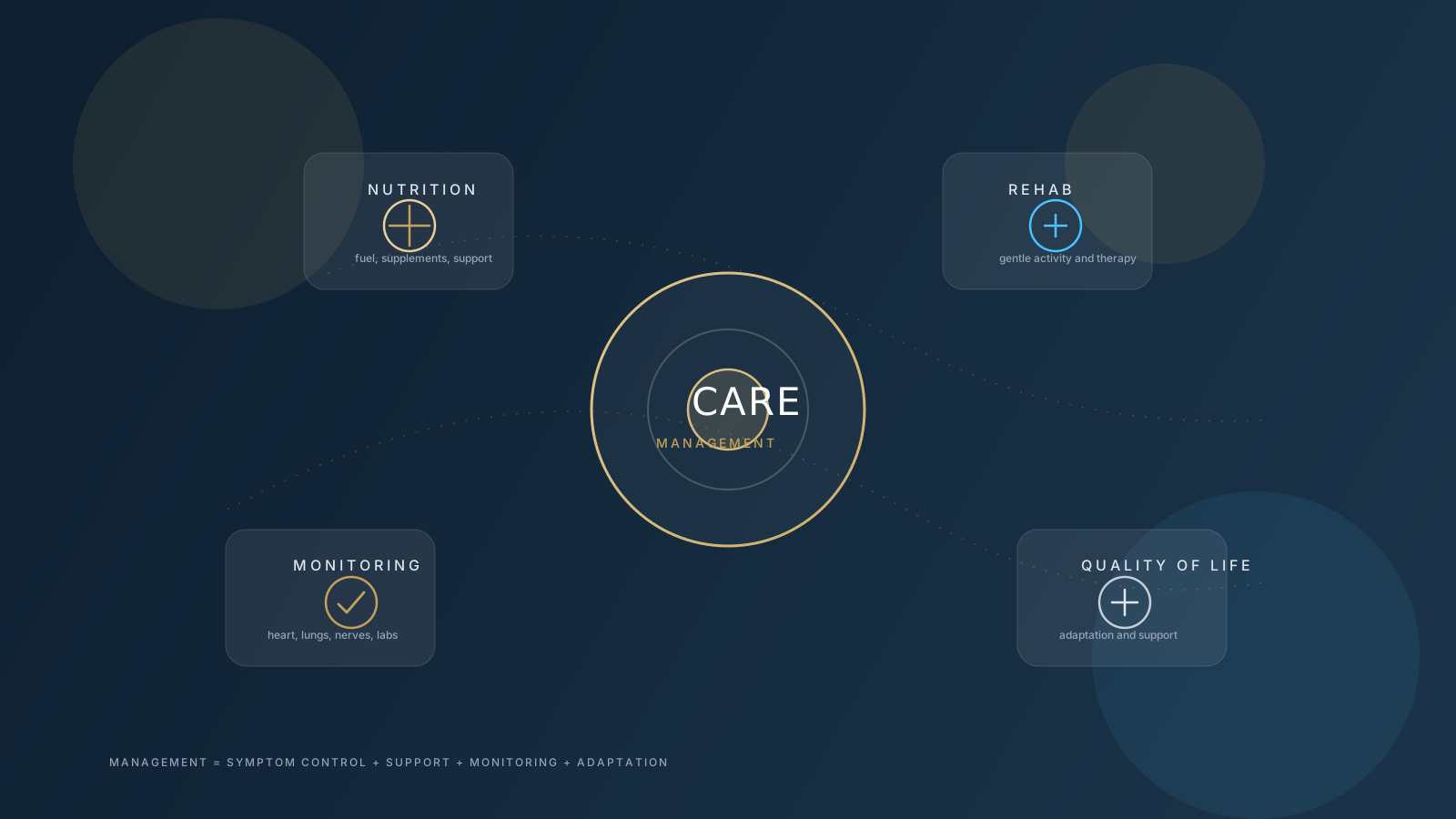
Why management matters
Mitochondrial disease affects the body's energy system. Because energy is carried through ATP and required by almost every organ, symptoms can appear in many different places at once. That is why management often involves a team rather than a single treatment.
A good plan aims to preserve function, reduce symptom burden, and help the person keep living a meaningful life as the condition is monitored over time.
Common parts of care
Dietary support may include specialized diets, supplementation, or feeding support when eating becomes difficult.
Gentle exercise, physical therapy, or occupational therapy may help maintain strength, mobility, and endurance.
Symptom management may involve support for seizures, weakness, heart function, vision, hearing, or digestion.
Follow-up care helps doctors watch for changes in the heart, lungs, nervous system, and metabolism.
Depending on the person, care may also involve genetics, cardiology, neurology, dietetics, rehabilitation, and other specialists.
What life can look like
Many people with mitochondrial disease continue to build meaningful lives. Some become parents. Some complete higher education. Some continue working, writing, teaching, creating, or advocating for others.
The challenge is often not a lack of determination. It is learning how to work within a body that produces energy differently.
What patients often say
People living with mitochondrial disease often describe experiences such as:
- "I am tired, but it feels different from normal tiredness."
- "I sleep, but I do not wake up restored."
- "Everything takes more energy than it used to."
- "I look fine, but my body feels like it is running on a nearly empty battery."
- "The hardest part is not knowing how much energy I will have tomorrow."
These experiences are not diagnostic. But they help explain why mitochondrial disorders are often described as disorders of energy and recovery.
What this does not mean
- Management is not the same as cure.
- Every patient is different.
- No supplement, lifestyle program, or technology has been proven to cure primary genetic mitochondrial disease.
- Treatment decisions should always be made with qualified healthcare professionals.
What readers should remember
Mitochondrial disease is not only about symptom control. It is about adapting care to protect function, reduce complications, and keep as much vitality as possible.
Management is the step that turns diagnosis into a plan.
Common questions
Can mitochondrial disease be cured?
Most primary mitochondrial diseases do not have a universal cure. Care usually focuses on managing symptoms, monitoring complications, supporting nutrition and rehabilitation, avoiding triggers, and improving quality of life.
What kind of care is often used?
Care may include nutrition support, gentle exercise or physical therapy, symptom-specific treatment, and regular monitoring of organs that may be affected.
Does every patient need the same plan?
No. Management depends on the type of mitochondrial disease, the organs involved, the severity of symptoms, and the person's daily needs.
Why is quality of life part of management?
Because mitochondrial disease can affect energy, recovery, and many everyday activities. A good management plan aims to preserve function and support meaningful daily life.