Quick Answer
What Is Mitochondrial Health?
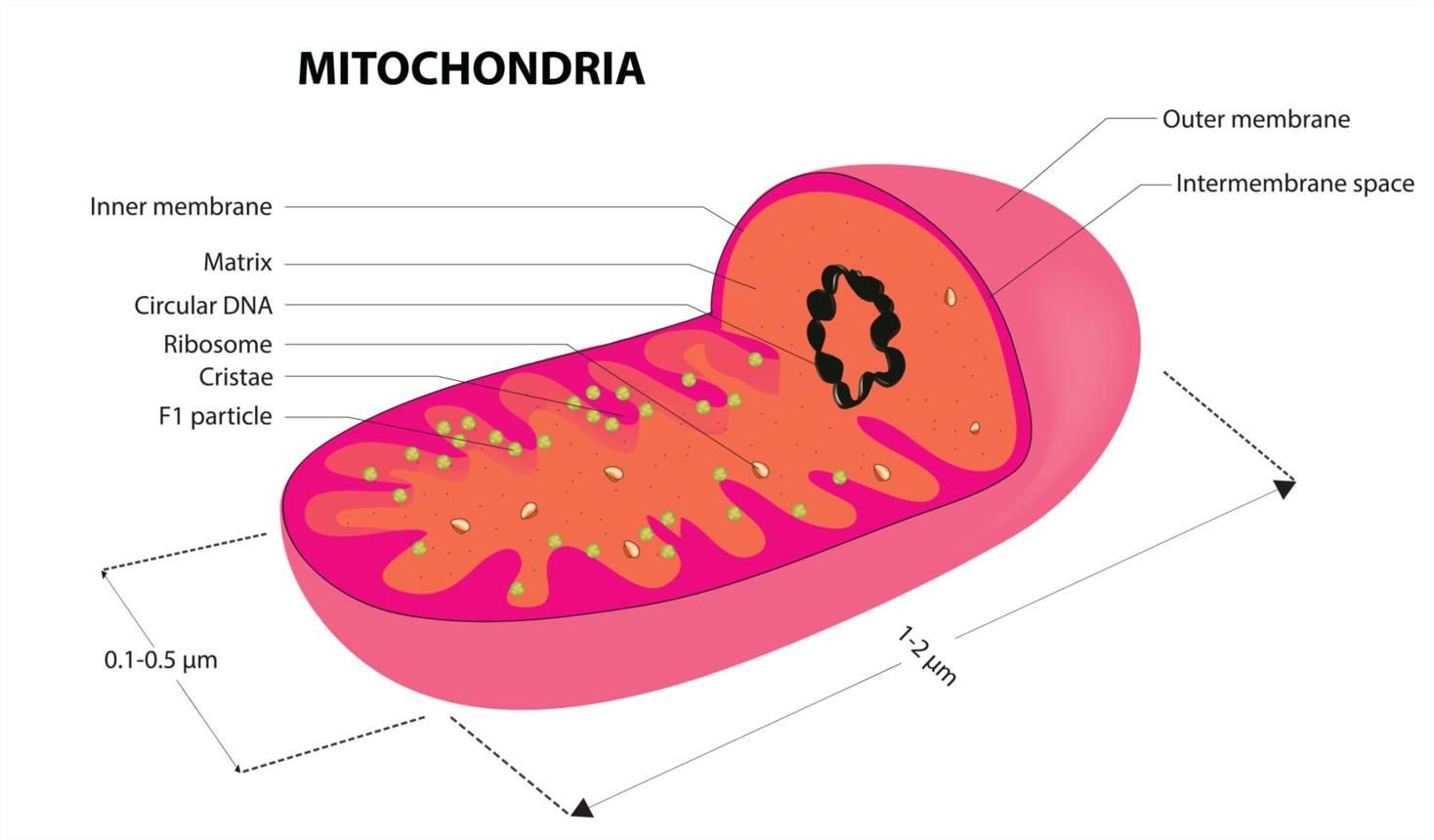
Mitochondria are normal cell structures that help convert food and oxygen into ATP, the energy cells use to work, repair, and recover. Mitochondrial dysfunction means that energy system is under strain or working less efficiently, but that is not the same as mitochondrial disease. Mitochondrial disease is a medical group of disorders, often genetic, that can affect muscles, brain, heart, nerves, eyes, liver, and digestion. These conditions can be serious, and some are life-threatening. Fatigue may be part of the picture, but fatigue alone does not mean mitochondrial disease.
Most people never think about mitochondria. They think about energy.
The energy to get out of bed. The energy to work. The energy to recover. The energy to enjoy life.
When that energy begins to fade, people often feel something is wrong long before they understand the cause.
Sometimes it is aging. Sometimes it is illness. Sometimes it is a problem with how the body produces and uses energy.
This hub helps separate those questions clearly. Mitochondria are not a disease. Mitochondrial dysfunction is not automatically mitochondrial disease. And fatigue alone does not mean a mitochondrial disorder.
Because understanding mitochondria is not only about understanding cells. It is about understanding vitality.
Explore This Hub
What Is Mitochondrial Health?
A plain-language foundation for what mitochondria do, why ATP matters, and why high-energy tissues are sensitive to energy problems.
How Do Mitochondria Support Recovery?
Explains ATP, sleep, repair, inflammation resolution, and why recovery is an active biological process.
Does Far-Infrared Affect Mitochondria?
A cautious review of far-infrared research with attention to circulation, comfort, and cellular response, not cure claims.

Are Mitochondria a Disease?
Clean separation: mitochondria are normal cell structures. Dysfunction is performance. Disease is a diagnosis.

What Is Mitochondrial Dysfunction?
The engine still runs. It just burns more fuel to go the same distance. Dysfunction is performance, not diagnosis.

About this Hub
This hub separates normal mitochondrial biology from dysfunction, and dysfunction from disease. It connects mitochondria to recovery, metabolism, healthy aging, circulation, and emerging research — each explored in its own dedicated article. The tone stays educational, because the topic is real medicine, not marketing.
Most primary mitochondrial diseases are managed rather than simply cured.
Management often focuses on preserving function, reducing symptoms, supporting recovery, and maintaining quality of life.
Care may include nutrition, rehabilitation, monitoring, lifestyle adjustments, and specialist support depending on which organs are affected.
Healthy habits can support overall mitochondrial function, but they are not the same as preventing or curing a primary genetic mitochondrial disease.
Once care is understood, some readers ask how the body's energy systems may be supported.
Graphene far-infrared research is explored here as a support topic — not a cure and not a replacement for medical care. Current research focuses on circulation, recovery, comfort, and mitochondrial-related pathways.
For the evidence layer, continue to the Clinical Evidence Hub.
The purpose of this hub is not to sell a technology. It is to understand how human energy is created, protected, and sustained throughout life.
Frequently Asked Questions
Are mitochondria a disease?
No. Mitochondria are normal structures inside cells. They help produce ATP, the energy cells use to function. Mitochondrial disease occurs when mitochondria cannot meet the energy needs of cells and organs, often because of genetic changes.
What is the difference between mitochondria and mitochondrial disease?
Mitochondria are part of healthy cell biology. Mitochondrial disease is a group of medical disorders in which mitochondrial energy production is impaired enough to cause symptoms or organ involvement. Everyone has mitochondria; only some people have mitochondrial disease.
What is mitochondrial dysfunction?
Mitochondrial dysfunction means mitochondria are not working efficiently enough for a cell's needs. It can be seen in primary mitochondrial disease, but it can also appear secondarily in aging, inflammation, metabolic stress, toxins, infections, medications, or other diseases.
What does mitochondrial disease feel like?
The experience varies widely. Some people report severe fatigue, muscle weakness, exercise intolerance, poor recovery, brain fog, seizures, migraines, vision or hearing problems, digestive issues, or episodes of worsening after stress or illness.
How does mitochondrial disease affect a person's life?
Mitochondrial disease can make daily activities require more energy and recovery than expected. School, work, exercise, travel, digestion, concentration, and social life may all be affected. Some people manage symptoms for years, while others need significant medical support.
How serious can mitochondrial disease be?
Mitochondrial disease can range from mild to severe. Some forms are progressive and some can be life-threatening or fatal, especially when the brain, heart, breathing muscles, liver, or several organ systems are affected.
How do you find out if you have a mitochondrial disease?
Diagnosis usually requires a medical evaluation. Doctors may consider symptoms, family history, neurologic findings, organ involvement, blood or urine studies, imaging, heart testing, eye or hearing exams, genetic testing, mitochondrial DNA testing, and sometimes tissue biopsy.
Can mitochondrial disease be cured?
Most primary mitochondrial diseases do not have a universal cure. Care usually focuses on managing symptoms, monitoring complications, supporting nutrition and rehabilitation, avoiding triggers, and improving quality of life.
How is mitochondrial disease managed?
Management is individualized and often includes symptom control, nutrition support, gentle rehabilitation, organ monitoring, and quality-of-life support. The exact plan depends on the type of disease and which organs are affected.
Can mitochondrial disease be prevented?
Most primary mitochondrial diseases are genetic and usually cannot be prevented through ordinary lifestyle choices. Healthy habits may support overall mitochondrial function, but they should not be presented as prevention for genetic mitochondrial disease.
What causes mitochondrial diseases?
Many primary mitochondrial diseases are caused by genetic changes in mitochondrial DNA or nuclear DNA. Some mitochondrial problems are inherited, while others may occur spontaneously. Secondary mitochondrial dysfunction can also occur in other diseases or as part of aging.
Editorial grounding for the hub.
These sources are used to keep the page aligned with the broad medical distinction between mitochondria, dysfunction, and disease.
This page is for education only and is not medical advice. Mitochondrial disease can be serious and may require specialist evaluation. If you have persistent fatigue, muscle weakness, neurologic symptoms, seizures, vision or hearing changes, heart symptoms, developmental concerns, unexplained exercise intolerance, or multi-system symptoms, consult a qualified healthcare professional. XIHE does not claim that lifestyle changes, far-infrared technology, or graphene far-infrared products diagnose, treat, cure, prevent, or reverse mitochondrial disease.