XIHE Science Platform

Four layers of science.
From the material to the mitochondria.

A structured knowledge architecture — material engineering, biophysical mechanism, published evidence, and 10 topic hubs answering the questions people actually ask.

Key Takeaways

Graphene

How Graphene Works

Spectral emissivity ≥0.88. Integrated Matrix Engineering — the physics of high-performance graphene infrared, explained in plain language.

EXPLORE TECHNOLOGY →
Biophysical Mechanism

How Far-Infrared Influences Cellular Energy

Graphene far-infrared affects the water layers surrounding mitochondria, helping to support ATP production and overall cellular energy metabolism.

EXPLORE MECHANISM →
Published Evidence

What the research shows

Human studies, lab research, and data summaries. Transparent evidence — clearly organized.

EXPLORE EVIDENCE →
Knowledge Hub

11 real questions

Answers hubs on fatigue, sleep, recovery, mitochondria, metabolism, and more — written for clarity with DOIs and PubMed IDs.

EXPLORE TOPIC HUBS →

Explore the 11 Hubs

Fatigue
Mitochondria
ATP & Energy
Sleep
Recovery
Inflammation
Microcirculation
Graphene FIR
Metabolism
Bioenergetics
Aging
VIEW ALL HUBS →
The Evidence Architecture

From published research to biological mechanisms

Connecting material science to human physiology.
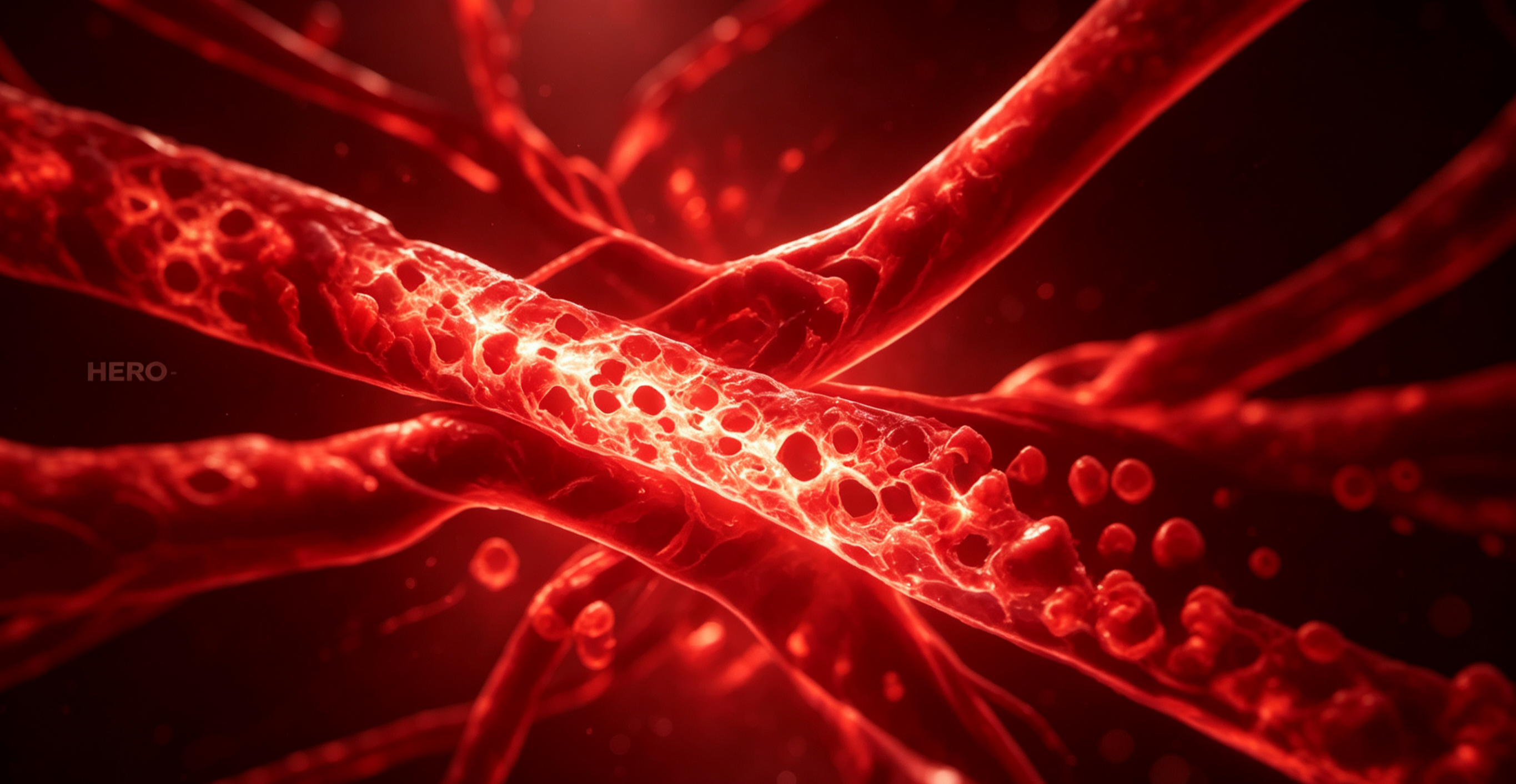
Graphene FIR technology enhancing microcirculation and blood flow velocity in capillaries
Microcirculation

Graphene FIR and Blood Flow Velocity

64.9% increase in peripheral blood flow velocity reported in a human experimental study.

Human Study Level 2 Evidence
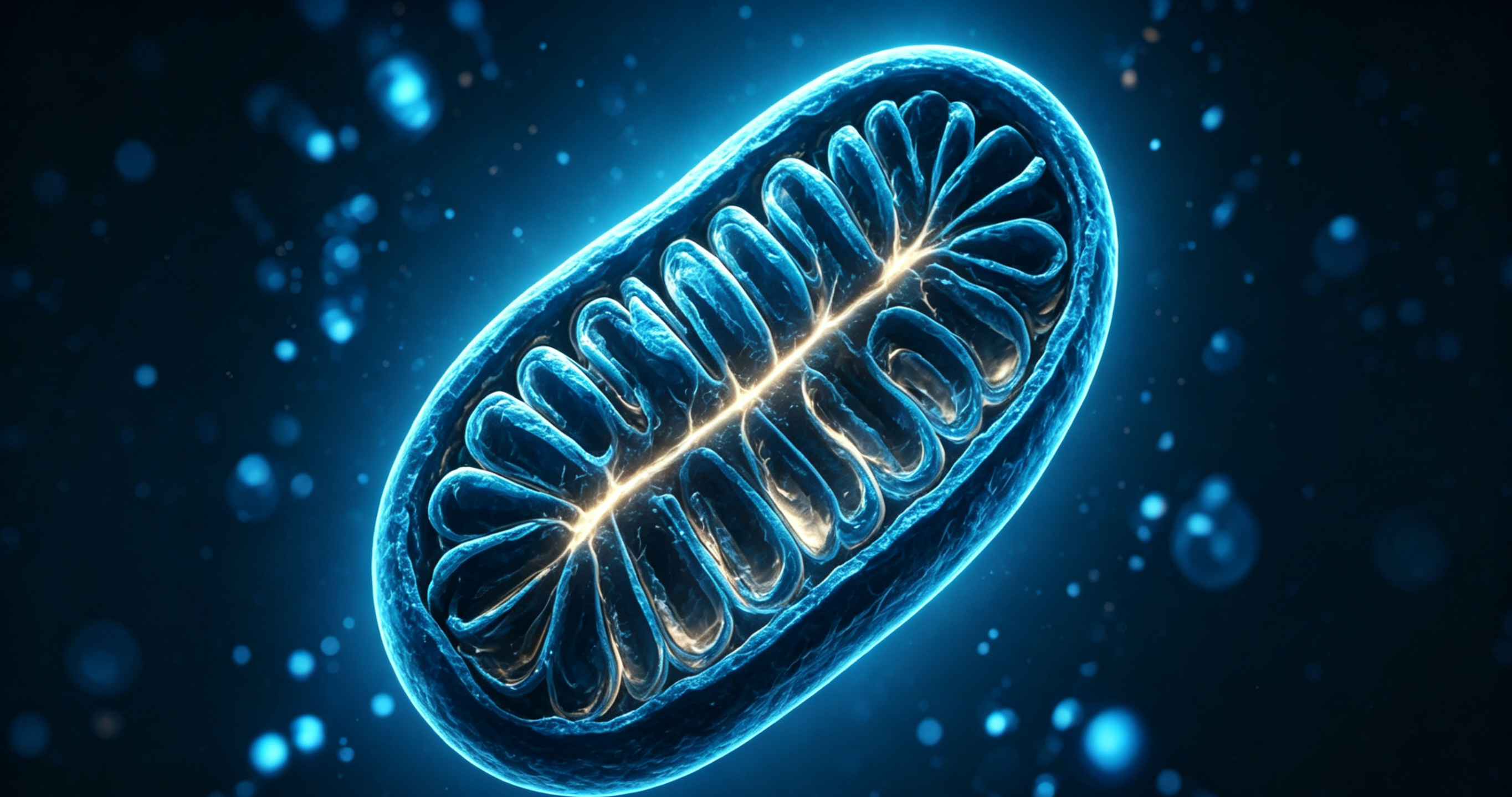
Far infrared radiation influence on mitochondrial ATP production and cellular energy metabolism
Mitochondria

How Far Infrared May Influence ATP Production

Exploring the relationship between FIR absorption, mitochondrial water layers, and cellular energy metabolism.

Mechanism Review
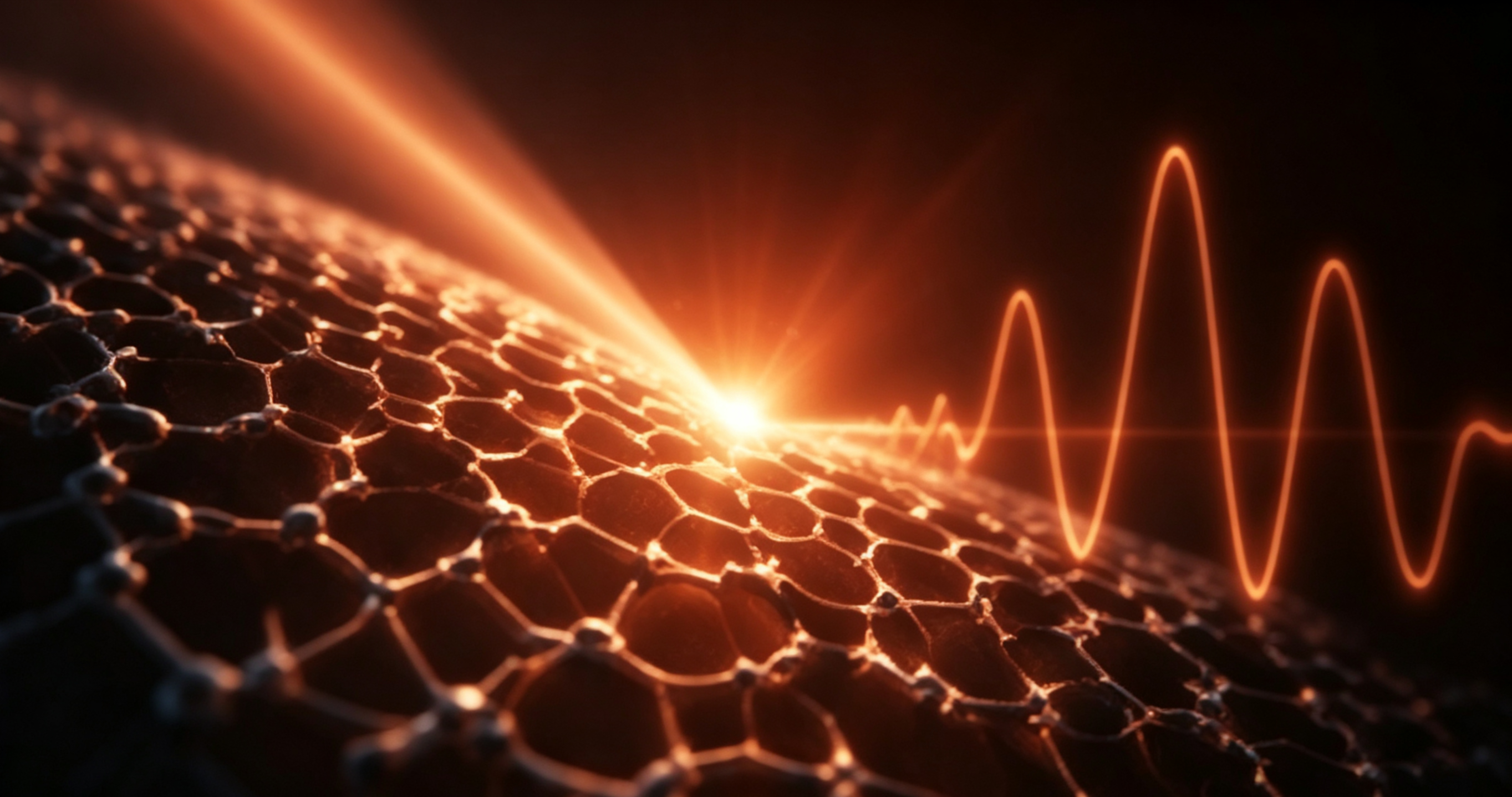
Infrared wavelength spectrum showing why 9.4 micron wavelength matters for biological tissue absorption
Biophysics

Why 9.4 μm Matters

The wavelength range most readily absorbed by biological tissues and intracellular water.

Material Science
Cellular energy pathways and how mitochondrial efficiency may influence fatigue and recovery
Recovery

Can Cellular Energy Influence Fatigue?

How mitochondrial efficiency may affect perceived energy, recovery, and resilience.

Knowledge Hub
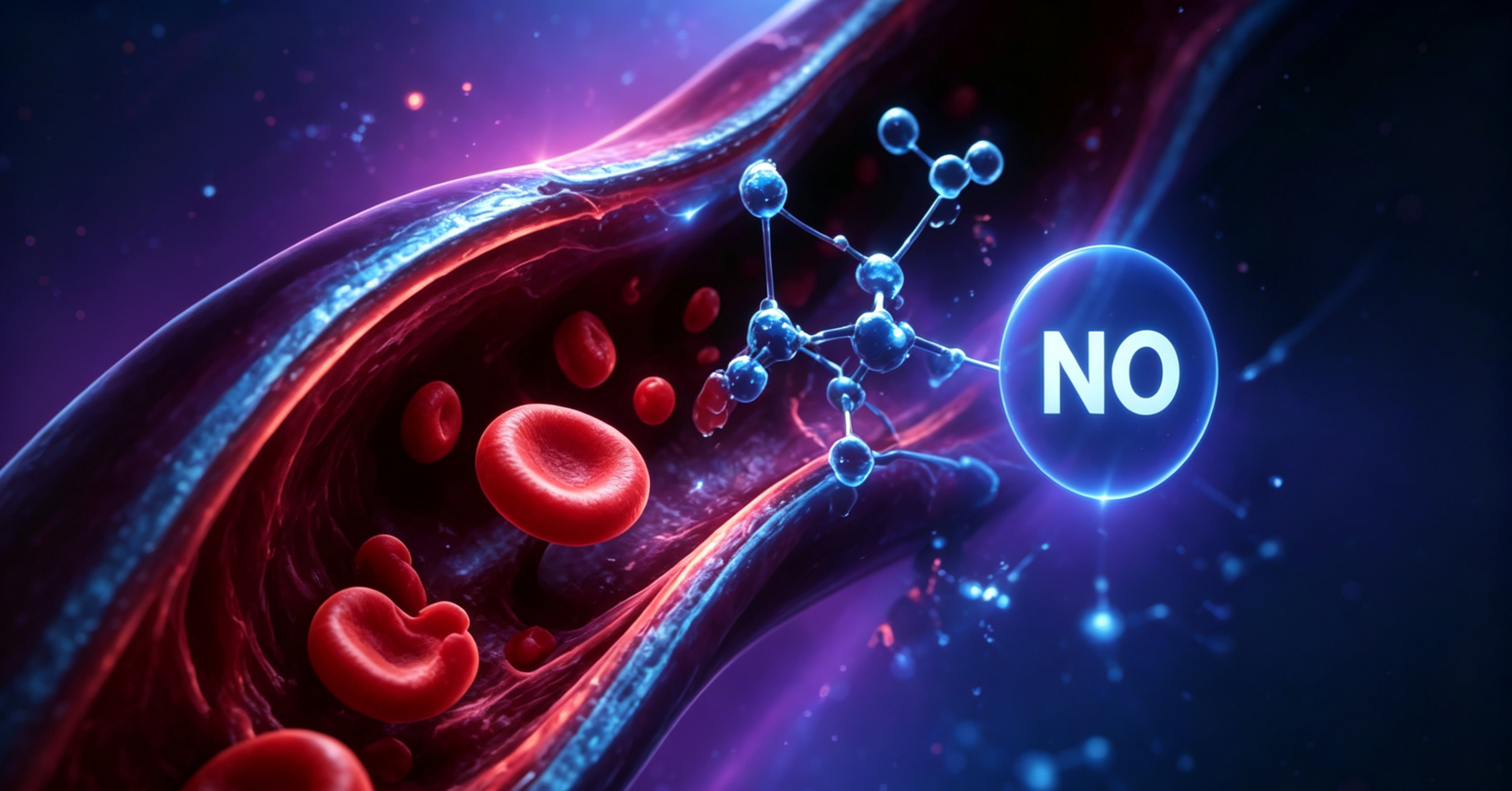
Nitric oxide molecule pathway showing vasodilation effect on microcirculation and blood flow
Circulation

Nitric Oxide and Vasodilation

The proposed endothelial pathway behind FIR-supported microcirculation.

Mechanism
Published scientific research library with clinical studies and evidence on graphene FIR technology
Clinical Evidence

Published Studies Library

A growing collection of human, animal, and mechanistic studies related to graphene FIR.

18+ SCI Papers 8 Clinical Studies
View All Research →

Science that connects everything.

Material · Mechanism · Evidence · Application.
All four layers. One goal: human energy and resilience.

EXPLORE FULL SCIENCE PLATFORM →