Why This Matters
Anyone who has struggled with insomnia knows the feeling.
You lie in bed. You turn the pillow over. You kick the blanket off, then pull it back on. Your body feels tired, but your mind refuses to slow down.
Thoughts keep arriving. Work. Family. Tomorrow's responsibilities. Conversations from years ago. The brain becomes a radio that won't switch off.
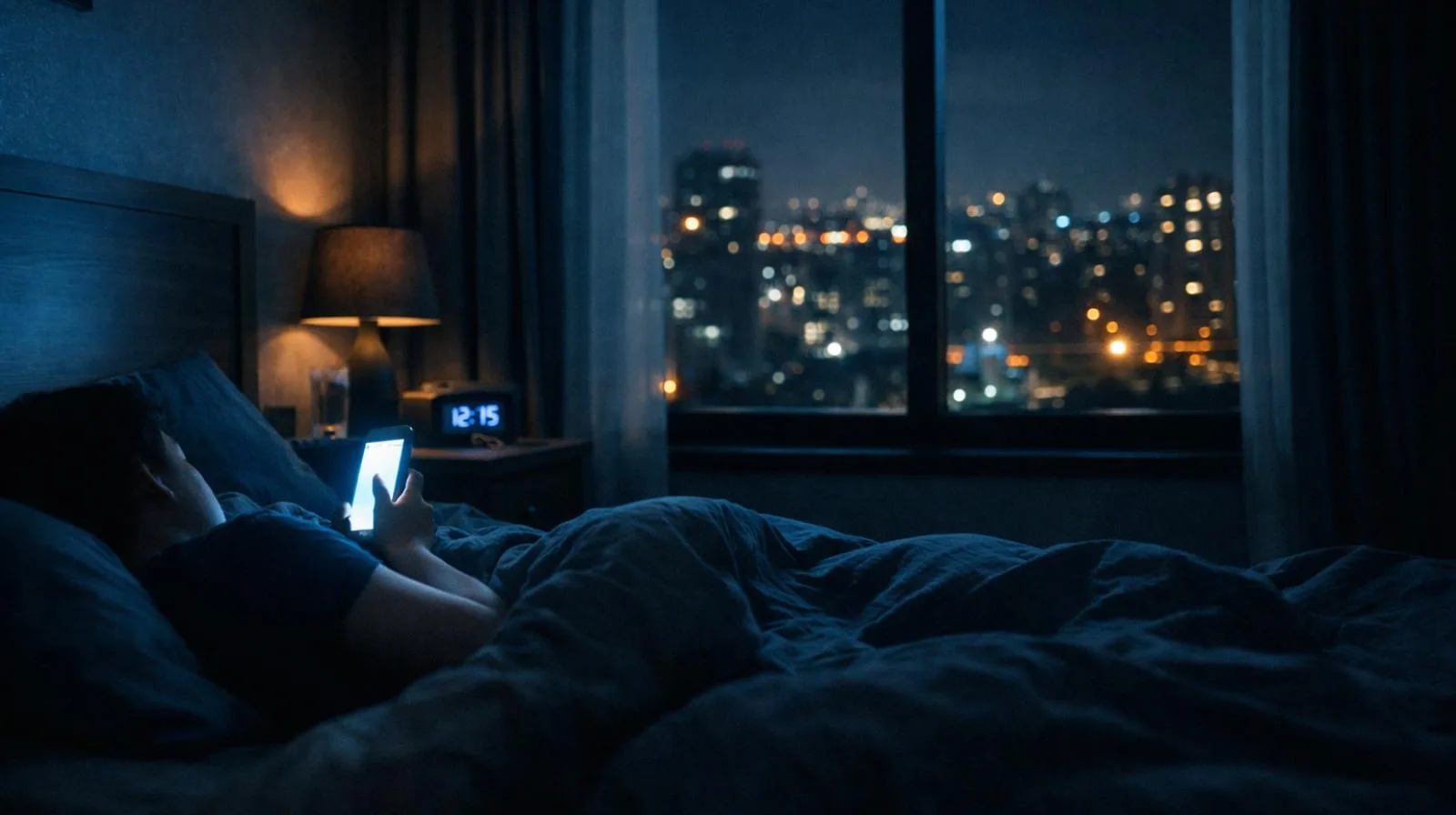
I remember one night when I simply couldn't sleep. It was past 2 a.m. The room was quiet, but my mind wasn't. The next morning felt worse. My eyes burned. My head felt heavy. I couldn't focus. And what surprised me most wasn't the fatigue. It was the irritability. A simple question from my child almost triggered frustration. Not because I wanted to be angry. But because something inside me was running on empty.
That was when I realized: insomnia is not just about sleep. It is about recovery.
A Simple Truth We Often Forget
There is an old saying: as long as you can eat and sleep, you can survive almost anything.
The older I get, the more profound that feels. Eating provides fuel. Sleeping restores the body's ability to use that fuel. One gives us energy. The other restores our capacity to create it.
When both work well, the body remains resilient. When either one fails, recovery begins to fall behind.
Ironically, modern life gives us access to almost everything except one thing many people desperately need: restorative sleep.
Everyone Has Advice
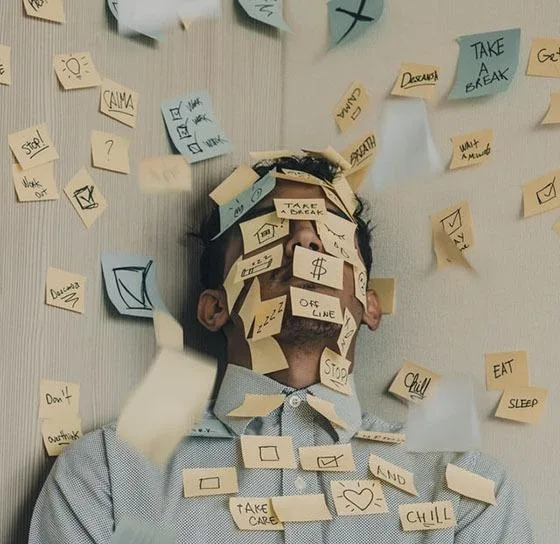
Over the years, I've seen countless recommendations for insomnia. Meditation. Warm milk. Magnesium. Melatonin. Sunlight exposure. Sleep apps. Breathing exercises.
Many of them help. Many of them don't. And the same method that works for one person may do nothing for another.
Why? Because most sleep advice focuses on techniques. But techniques are not always the root cause.
What If the Real Problem Is Rhythm?
Over time, I began looking at sleep differently. Maybe insomnia is not simply a lack of discipline. Maybe it is not even primarily a stress problem.
Maybe the body has lost its rhythm.
Sleep is not a switch. It is a biological transition. Every evening, the body moves through a carefully coordinated sequence of signals. Body temperature changes. Hormones shift. The nervous system transitions from activity into restoration. The brain prepares for sleep. The body prepares for repair.
When these signals arrive in the right order, sleep feels natural. When they don't, sleep becomes a struggle.
Key contributing factors may include:
- Disrupted circadian rhythm timing
- Reduced melatonin signaling at night
- Nervous system overactivation from stress
- Irregular sleep-wake schedule
Modern Life Disrupts the System
The challenge is that modern life constantly interferes with these signals. Bright screens tell the brain it is still daytime. Irregular schedules confuse the body's internal clock. Late meals keep digestion active when the body should be recovering. Stress keeps the nervous system alert long after the workday ends.
Eventually, the body loses track of timing. It no longer knows exactly when to be awake and when to recover.
The result is often described as insomnia. But underneath it may be something deeper: a loss of biological rhythm.
Why Poor Sleep Changes Your Mood
Many people believe anxiety causes poor sleep. And it often does. But the opposite is also true. Poor sleep can amplify anxiety.
When sleep quality declines, emotional regulation becomes less efficient. Small problems feel larger. Patience becomes shorter. Stress feels heavier.
The issue is not simply tiredness. The issue is that the brain never completed the recovery process it depends on each night.
Insomnia is not just about sleep. It is about recovery.
Sleep Is More Than Rest
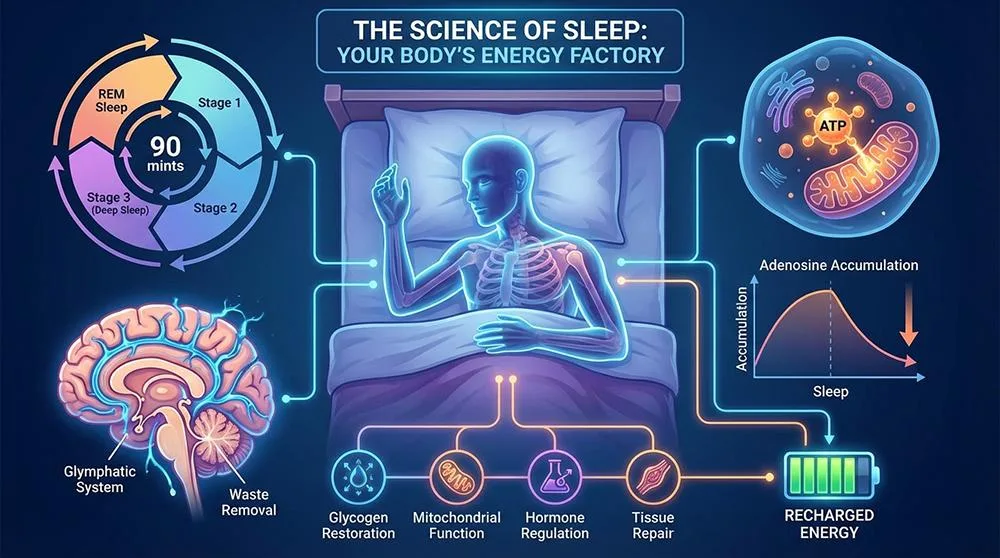
One of the most important things I learned is that sleep is not passive. The body is working while we sleep. Energy systems are being restored. Cells are undergoing maintenance. Metabolic byproducts are being processed. Recovery is taking place.
At the center of many of these processes are mitochondria — the cellular structures responsible for producing ATP, the body's primary energy currency. During the day, energy is spent. At night, the body attempts to rebuild.
This is why sleep quality is often more important than sleep quantity. The goal is not simply more hours. The goal is successful recovery.
Returning to the Basics
Sometimes the most effective solutions are surprisingly simple. Go outside in the morning. Get sunlight. Eat on a consistent schedule. Reduce stimulation before bed. Create space for the nervous system to slow down.
Give the body an opportunity to reconnect with its natural circadian rhythm. Sleep should not feel like a battle. The body already knows how to sleep. In many cases, it simply needs the right conditions to remember.

Final Thought
Perhaps the question is not: "How can I force myself to fall asleep?"
A better question may be: "What is preventing my body from entering its natural recovery rhythm?"
Because sleep is not merely the absence of wakefulness. It is one of the body's most important repair processes. And when rhythm returns, sleep often follows.
Key Takeaway
Sleep is not a switch — it is a biological transition. When circadian rhythm is disrupted by modern life, the body's natural sleep signals weaken. The goal is not to force sleep, but to restore the conditions where the body's own rhythm can work. Understanding this reframes the question from "How do I fall asleep?" to "What is preventing my body from entering its natural recovery rhythm?"
Questions People Often Ask
Why can't I fall asleep even when I feel tired?
The body can feel physically tired while the brain remains alert. Sleep requires both systems to transition together — a drop in core body temperature, a shift in nervous system activity, and a clear hormonal signal that the night has begun. When these signals are out of sync, the body stays in a state of tired wakefulness. Understanding what happens during sleep can help clarify why entry is sometimes difficult.
How does circadian rhythm affect falling asleep?
The circadian rhythm is the body's internal 24-hour clock, primarily regulated by light exposure. It coordinates body temperature changes, melatonin release, and the autonomic nervous system transition that prepares the body for sleep. Irregular schedules, bright light at night, and shift work can weaken this signal, making it harder for the body to recognize when sleep should begin.
Can the body's natural sleep rhythm be restored?
Research supports that consistent morning light exposure, regular sleep-wake timing, reduced evening light stimulation, and temperature regulation can help the body re-establish its natural sleep rhythm. These approaches do not force sleep — they create the conditions where the body's own sleep signals can work effectively. For more on the relationship between sleep and cellular energy, see ATP & Energy.