QUICK TAKE
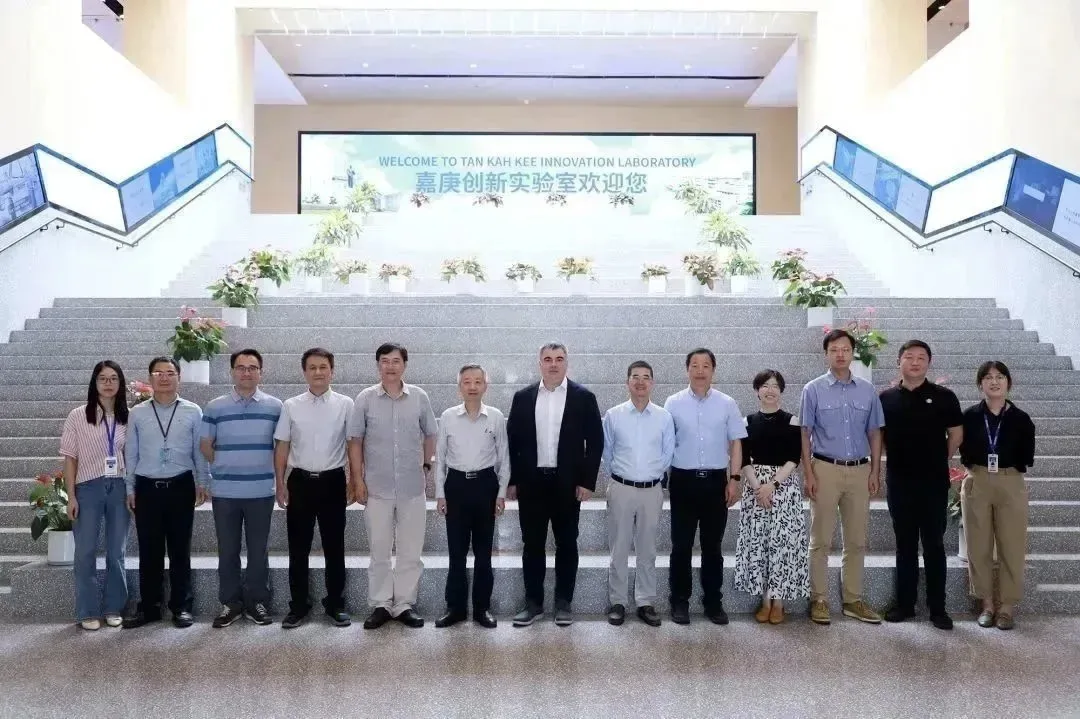
Nobel laureate Sir Konstantin Novoselov, a visiting scholar at Jiageng Innovation Laboratory, was elected Foreign Member of the Chinese Academy of Sciences in 2023. The election highlights the international standing of the Xiamen graphene research ecosystem in which XIHE Technology was incubated.
Sir Konstantin Novoselov, a visiting scholar at Jiageng Innovation Laboratory (IKKEM), was elected as a Foreign Member of the Chinese Academy of Sciences in 2023. The election recognizes his contributions to physics and materials science, especially his work on graphene and two-dimensional materials.
Novoselov shared the 2010 Nobel Prize in Physics with Andre Geim for the isolation and characterization of graphene, a single-atom-thick carbon material with unusual electronic, thermal, and mechanical properties. That work helped establish graphene as a major platform in modern materials science.
Profile
- Name: Sir Konstantin Novoselov
- Distinction: Nobel Prize in Physics (2010)
- CAS Role: Foreign Member, elected 2023
- IKKEM Role: Visiting Scholar
- Xiamen Connection: Since 2014
- Research Area: Graphene and 2D materials
A Decade-Long Academic Relationship
Novoselov’s connection to the Xiamen research ecosystem dates back to around 2014, when Xiamen University established a graphene research institute with Novoselov serving as Honorary Dean. That relationship helped create a durable academic bridge between leading graphene research and the local materials ecosystem.
As the regional platform evolved, Jiageng Innovation Laboratory emerged as a major center for advanced materials and translational engineering. Novoselov’s ongoing involvement as a visiting scholar reflects the laboratory’s growing relevance within international graphene research networks.
Why This Matters
For researchers, engineers, and companies working in graphene, this kind of sustained academic relationship is a meaningful ecosystem signal. It suggests that the Xiamen graphene research environment has enough depth and continuity to support long-term engagement from globally recognized scientists.
That does not validate any one company or product. It does, however, strengthen the broader context in which graphene, including far infrared graphene engineering, is being developed and discussed.
Why This News Matters to XIHE
XIHE was incubated within the Jiageng Innovation Laboratory ecosystem. We reference developments like this because they help explain the research environment behind the engineering culture, materials discipline, and long-horizon thinking that shape our work.
For users encountering far infrared graphene through product pages or knowledge articles, this is part of the deeper context: the category is connected to a serious materials-science ecosystem, not just to wellness marketing language.
Readers who want XIHE’s technical definition of that category can continue to the Far Infrared Graphene hub.
References
- Chinese Academy of Sciences, 2023 Foreign Member election announcement
- Jiageng Innovation Laboratory, visiting scholar information
- Nobel Prize in Physics 2010, Nobel Foundation