
Graphene Insights:
From Atomic Structure to Real-World Innovation
Discover the science, engineering, and applications behind graphene — from fundamental properties and industrial development to emerging energy technologies.
Featured Topics

Market trends, commercialization signals, and industry context.

Papers, mechanisms, and study interpretation.
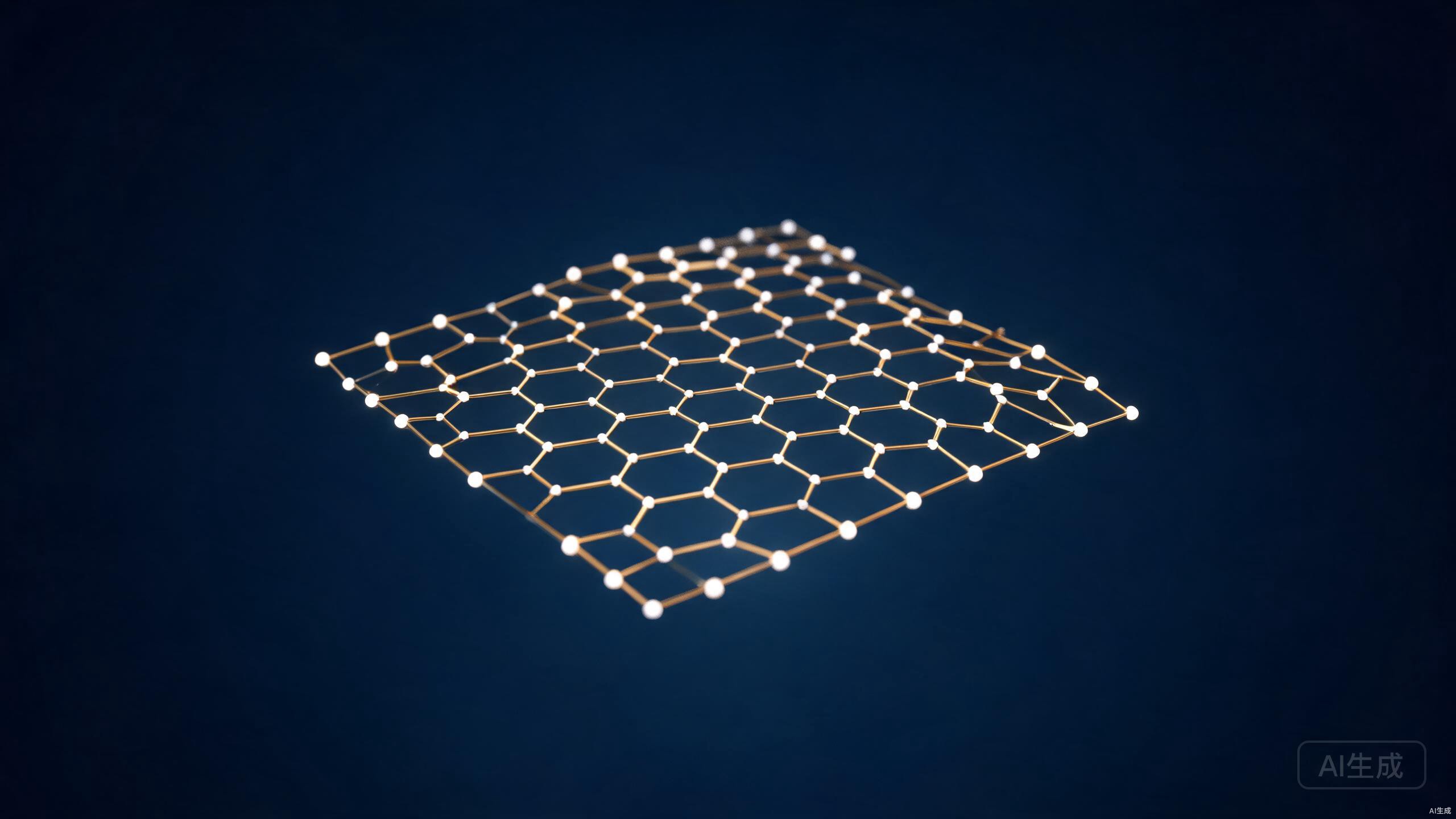
Material architecture, application form factors, and graphene energy-delivery design.

Milestones, partnerships, certifications, and institutional updates from XIHE.
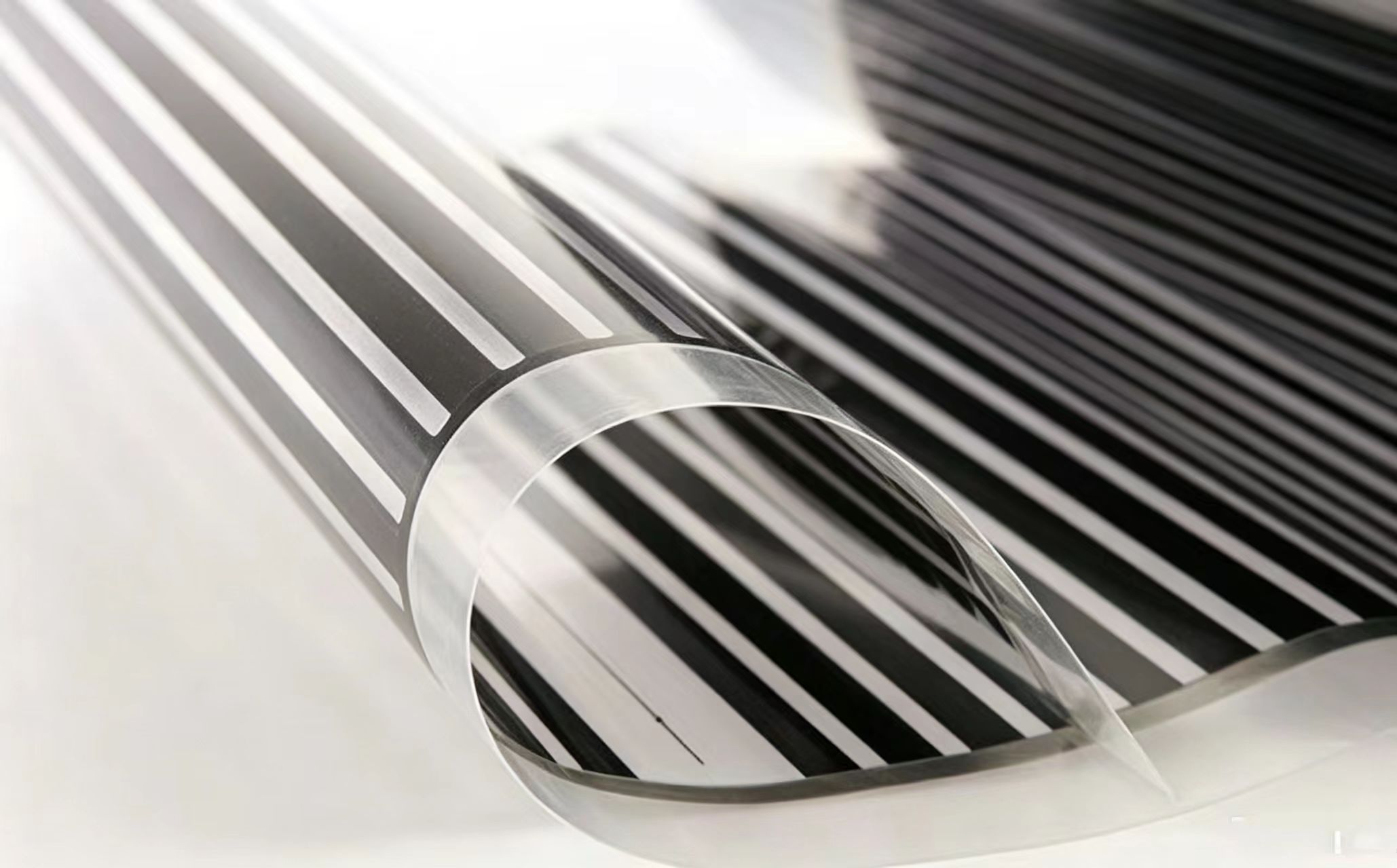
Technology releases, platform updates, and deployment notes.
Core graphene topics
Foundational pages that explain what graphene is, how it works, and where it is used.
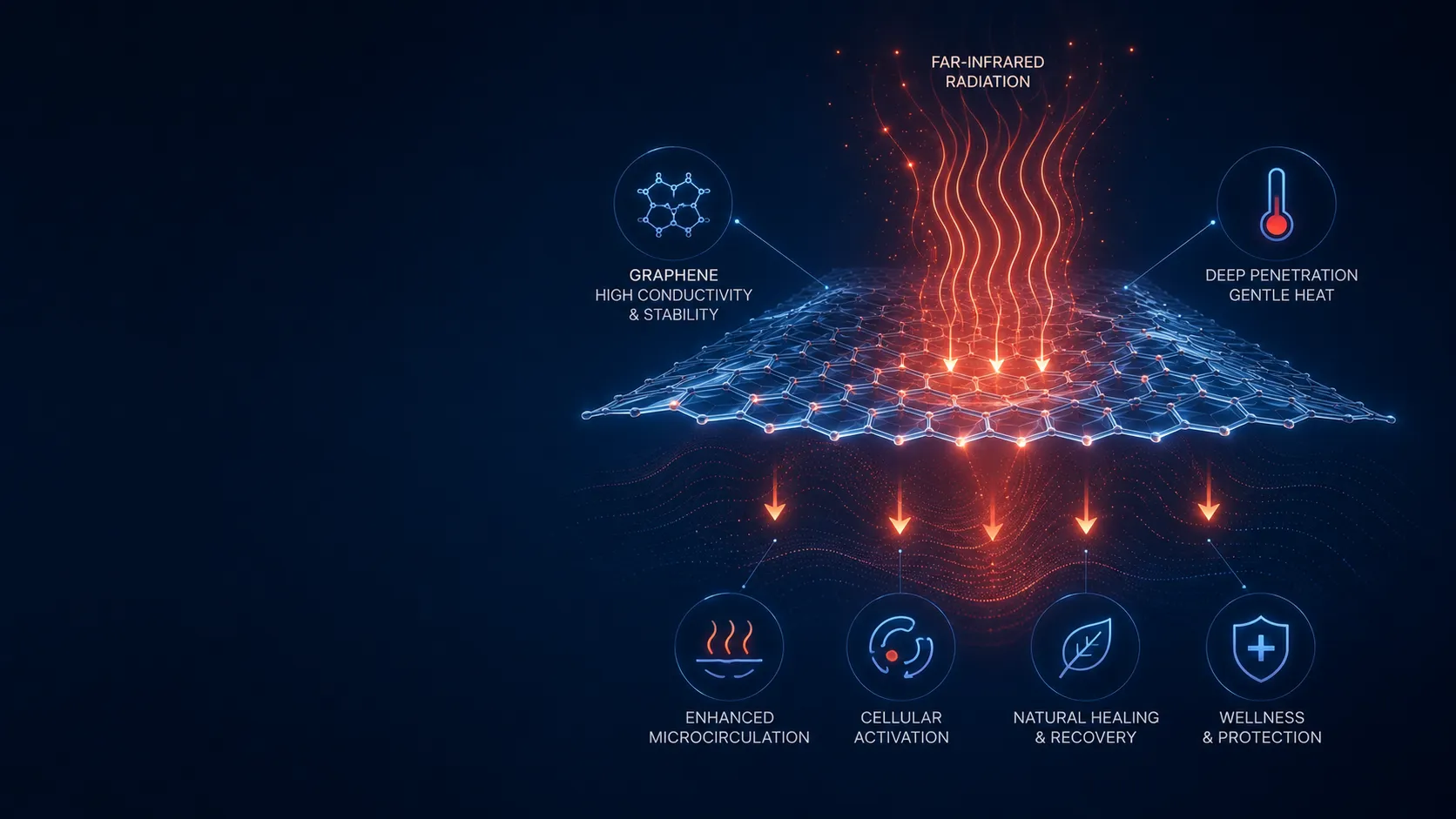
What Is Graphene?
Structure, properties, applications, and future technologies of the revolutionary 2D material.

Graphene vs Graphite
Single atomic layer vs bulk carbon — why the difference matters for engineering.

Graphene Properties
Electrical, thermal, mechanical, and optical characteristics of graphene.

Graphene Applications
From electronics and energy to healthcare and advanced materials.
Graphene Products
Types, specifications, and how to evaluate graphene material quality.
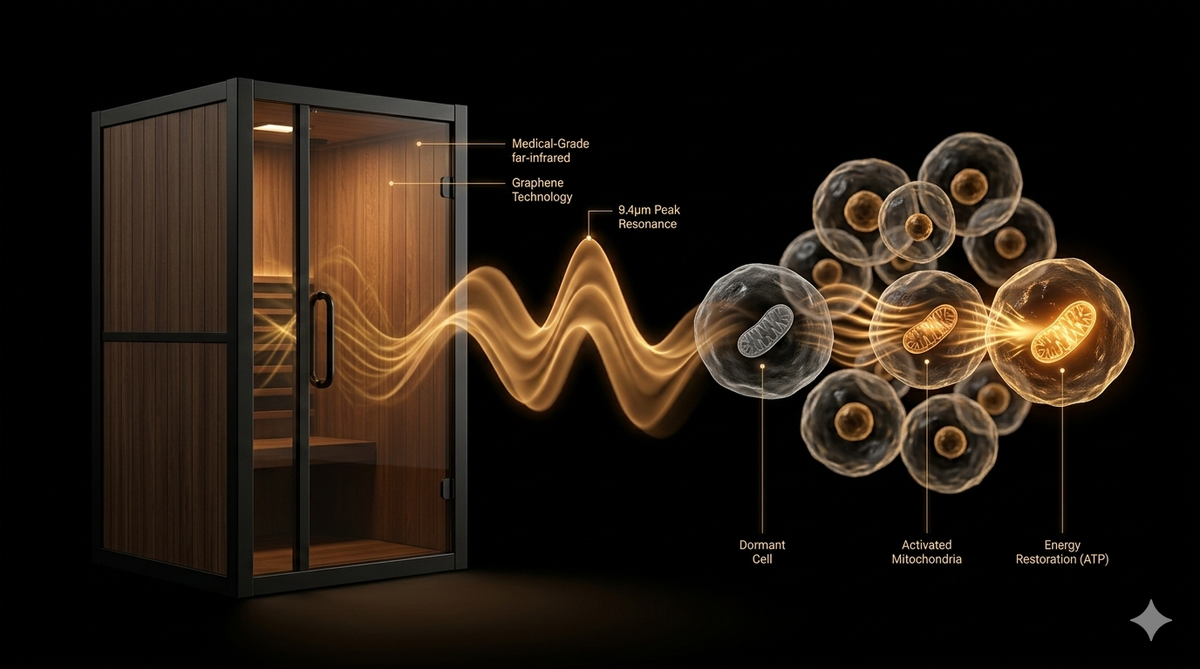
Graphene Energy
Batteries, supercapacitors, and the role of graphene in next-generation energy storage.

Graphene Manufacturing
How graphene is made — CVD, exfoliation, and industrial production methods.
Latest Insights
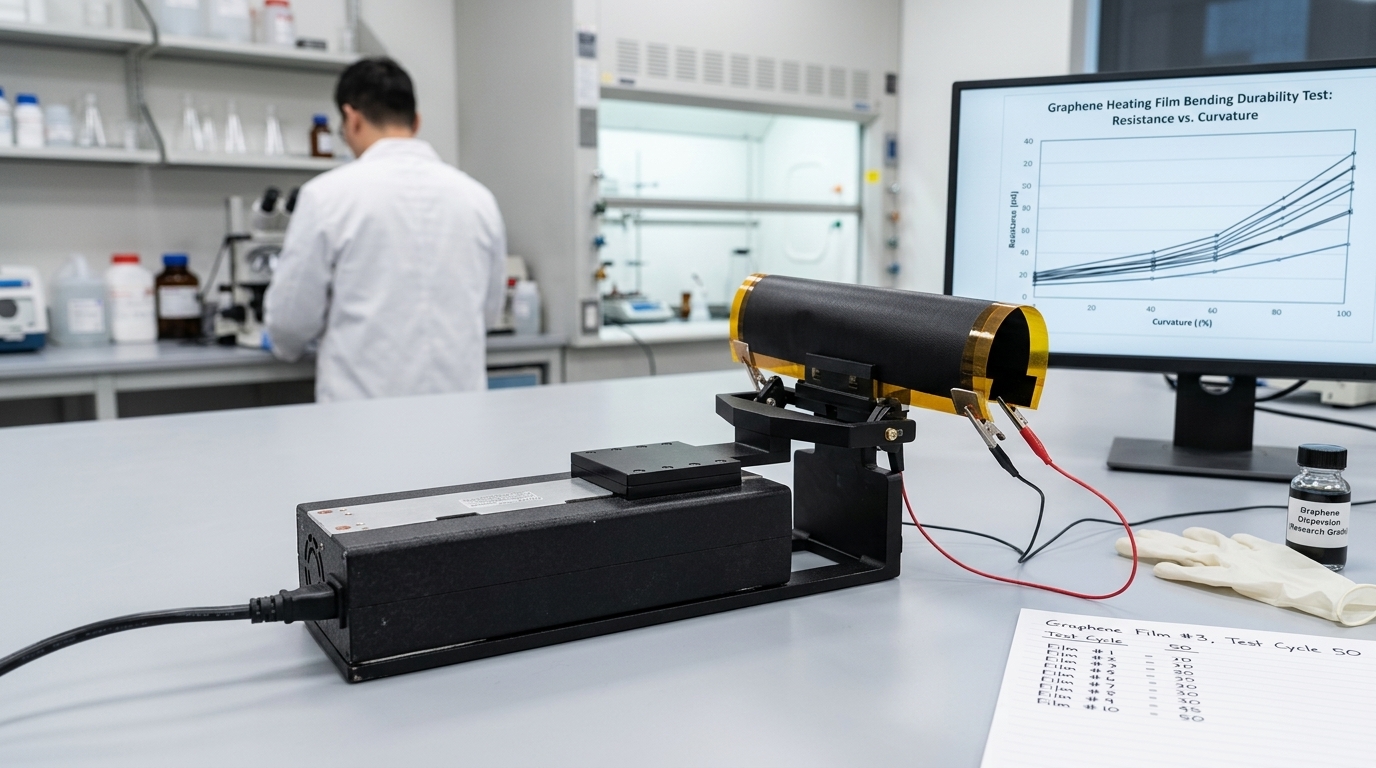
Flexible Heater Prototyping: From Design Requirements to Validation
How a custom graphene flexible heater prototype moves from design inputs to electrical, thermal and mechanical validation before OEM production.
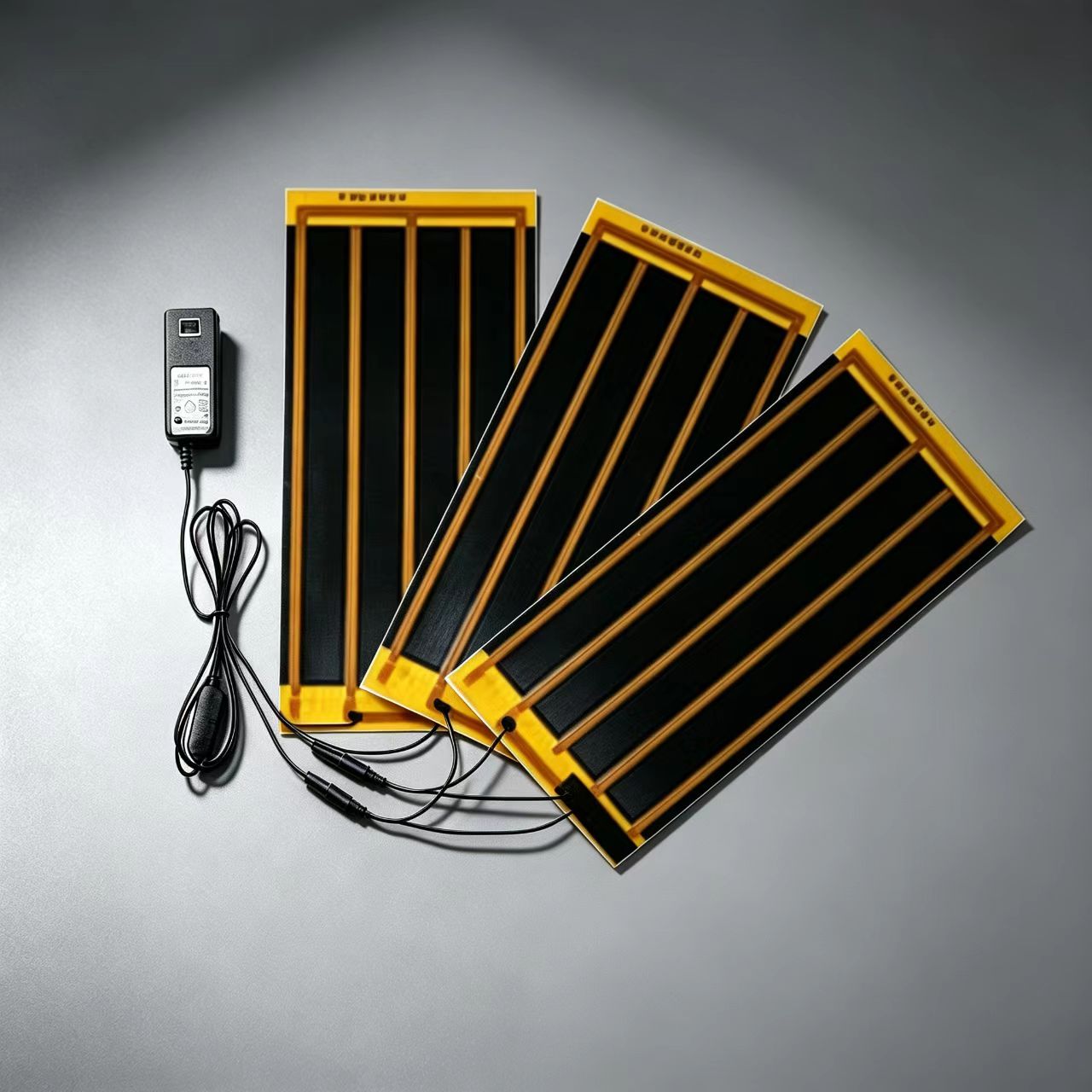
How to Evaluate Energy Efficiency in Livestock Heating Systems
Evaluate livestock heating energy efficiency the engineering way: target-zone watt density, grid-based uniformity and fair technology comparison.

Graphene Heating Film OEM vs. ODM: What Buyers Need to Know
OEM, ODM or white label: choosing the right graphene heating film partnership - design control, IP ownership, MOQ and prototyping terms explained.
Graphene Heating Film vs. Carbon Fiber Heater: Flex Fatigue, Thermal Uniformity, and FIR Emissivity Compared
Objective engineering comparison: PI graphene film vs carbon fiber heaters. Flex fatigue, hotspots, FIR emissivity & resistance stability for OEM medical/wearable designs.
Far Infrared Materials Compared: Graphene vs Ceramic, Carbon Fiber & Metal
What is the best far infrared emission material? The answer depends on emissivity, spectrum control, surface uniformity, and integration format. This page compares graphene, ceramic, carbon fiber, and metal through those four engineering criteria.
Graphene Forms: How Material Architecture Shapes Energy Delivery
Graphene is often treated as a single material, but form factor changes function. This article explains how film, modules, and wearables represent different graphene energy-delivery architectures for different product environments.
OEM & Buyer Guides
Decision-led comparisons and verification guides for teams integrating graphene heating film.
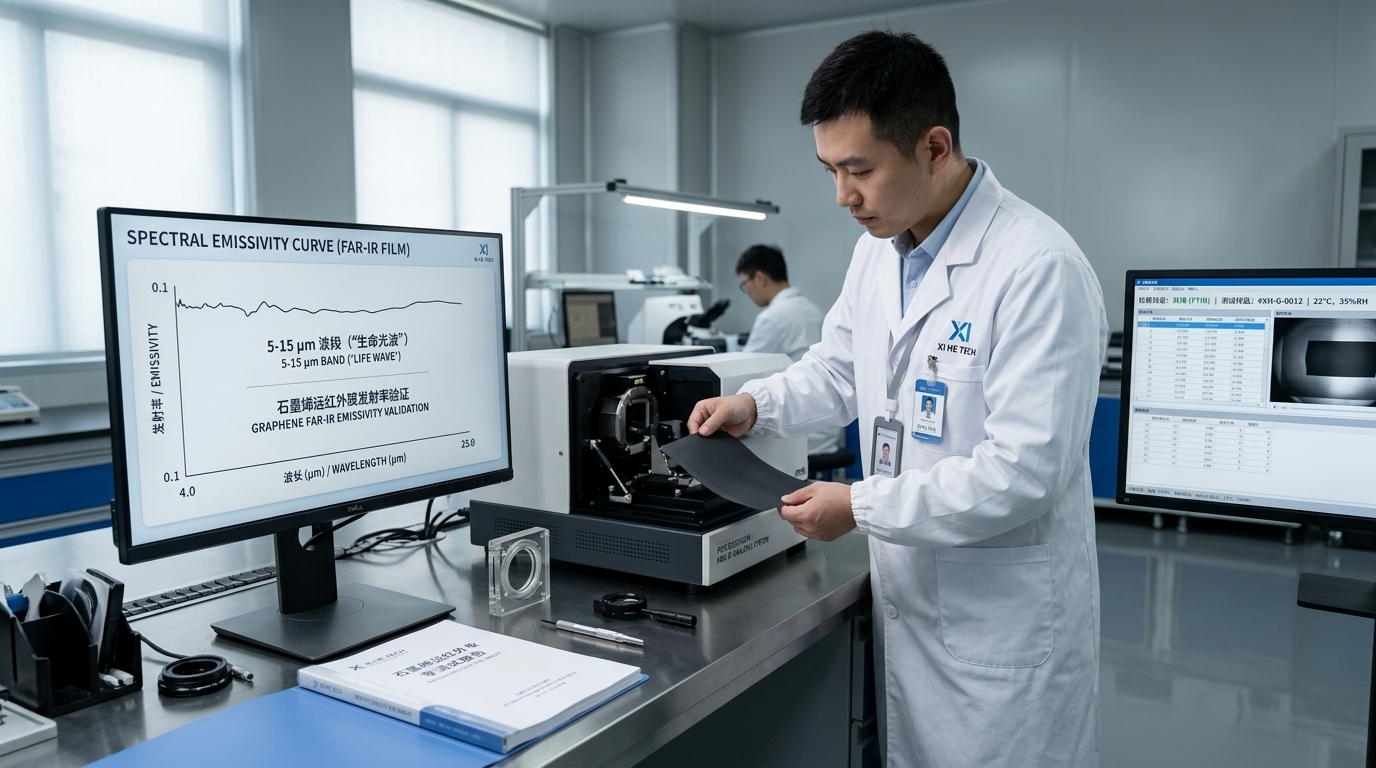
Graphene Heating Film OEM Buyer's Guide
A practical decision path for product teams comparing heating-film architecture, electrical inputs, integration constraints, validation evidence and production readiness.
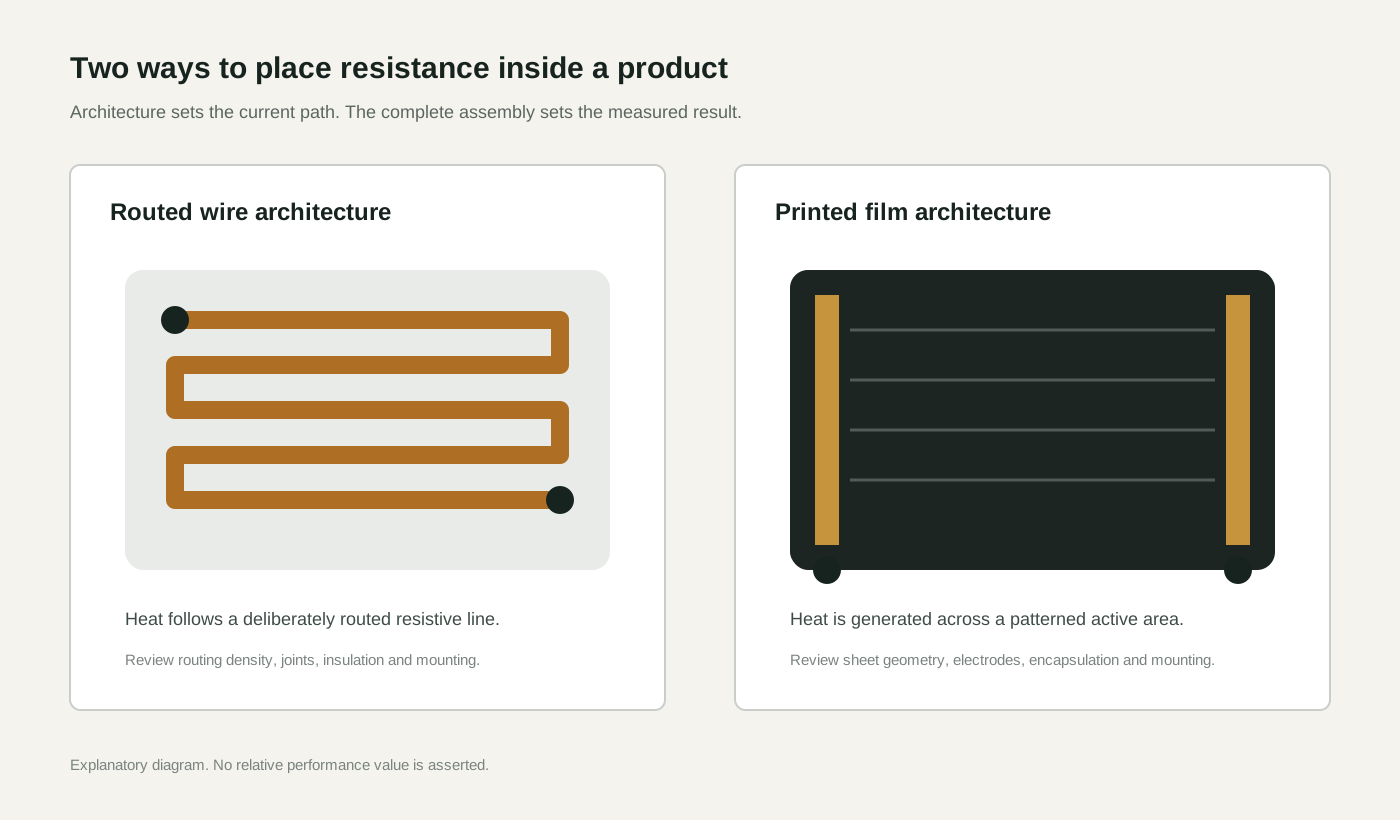
Graphene Heating Film vs Nichrome Wire
Nichrome wire and graphene heating film both create heat, but they create different product architectures. Compare the design logic before choosing.
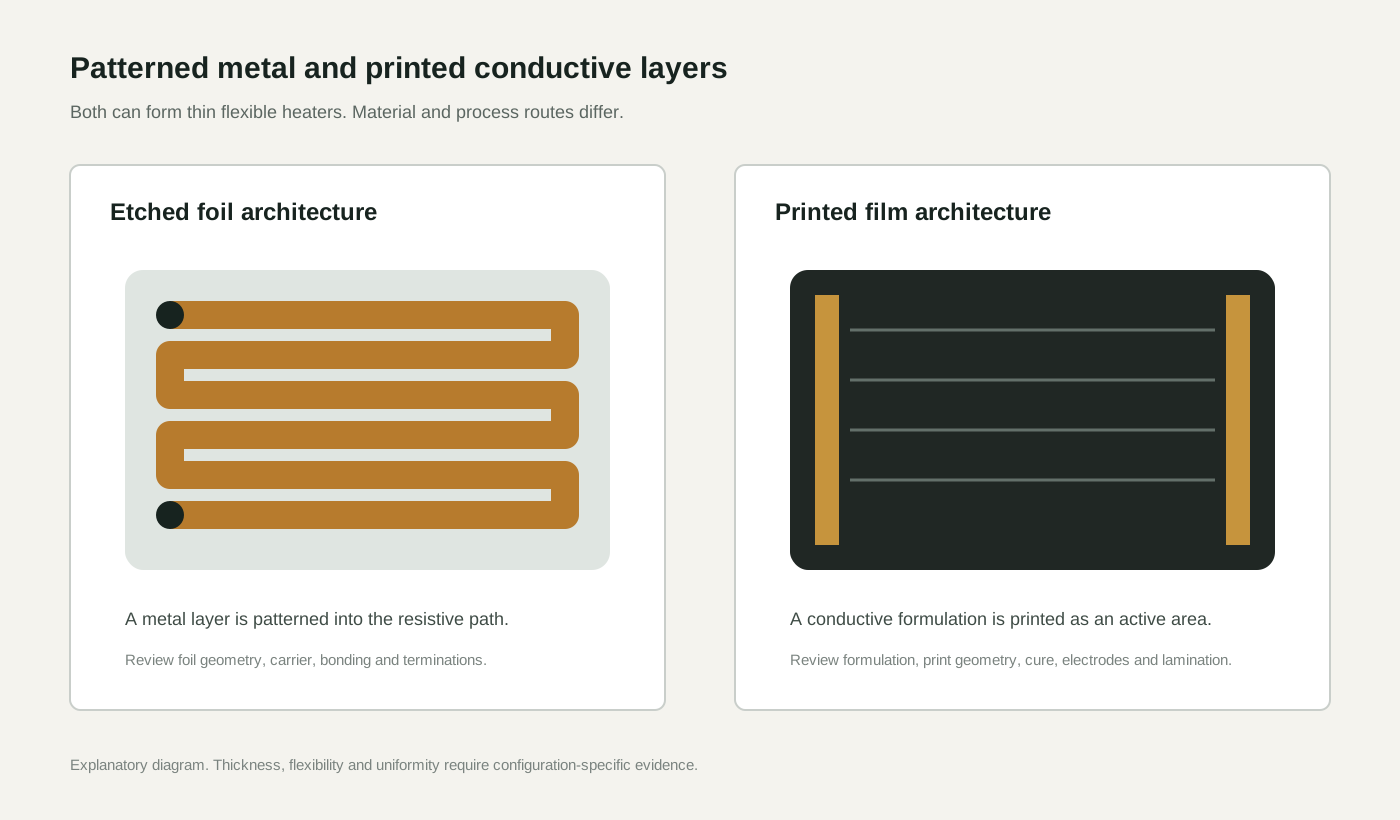
Graphene Heating Film vs Etched Foil Heater
Etched foil heaters and graphene heating film both serve flexible-heater design, but they solve different engineering problems. Compare them by architecture, not by temperature.
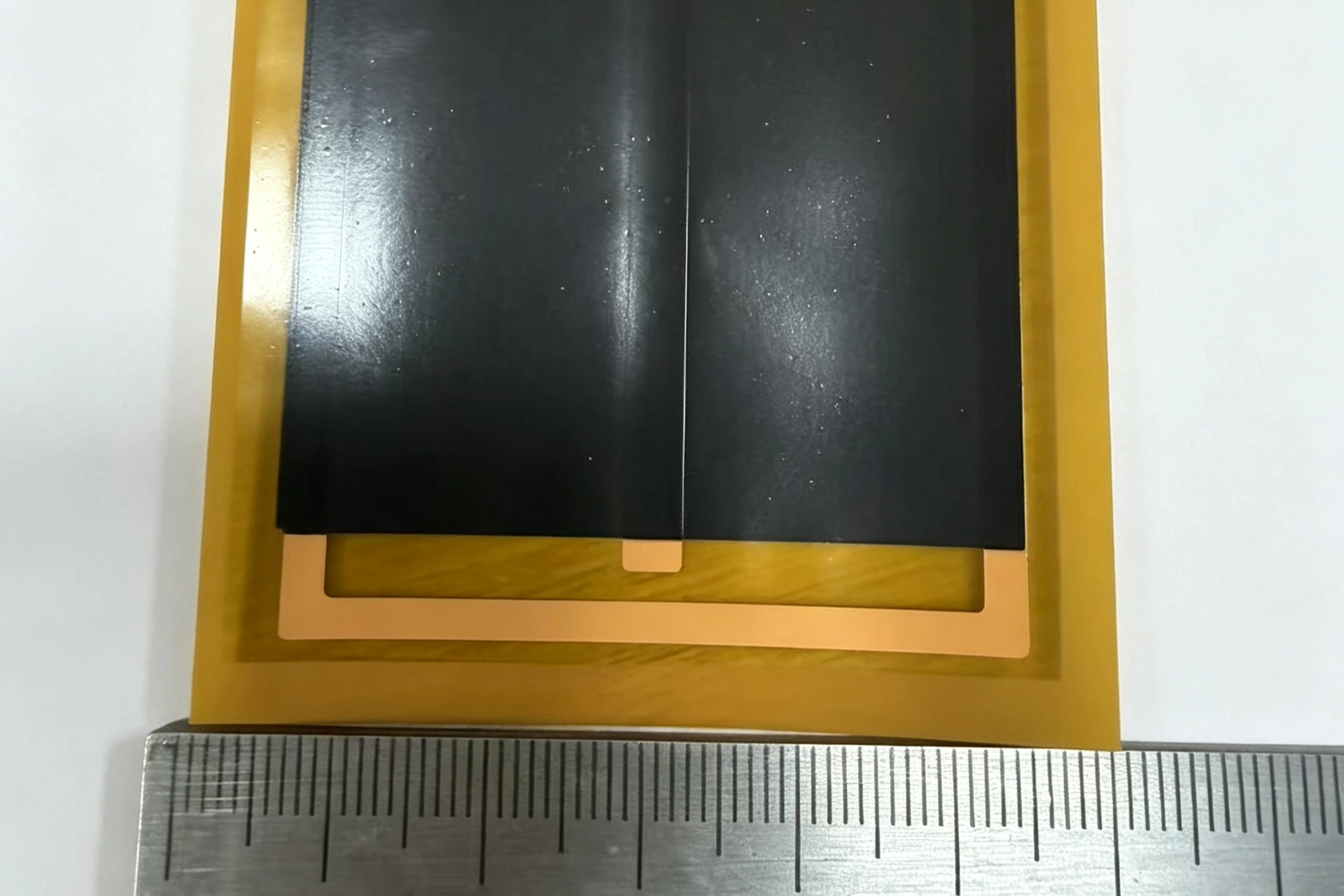
How Can Buyers Verify a Graphene Material Claim?
No photograph, microscopy-style image or Raman curve proves a graphene claim by itself. Buyers need a traceable chain from material definition and sample identity to method, conditions and product-level validation.