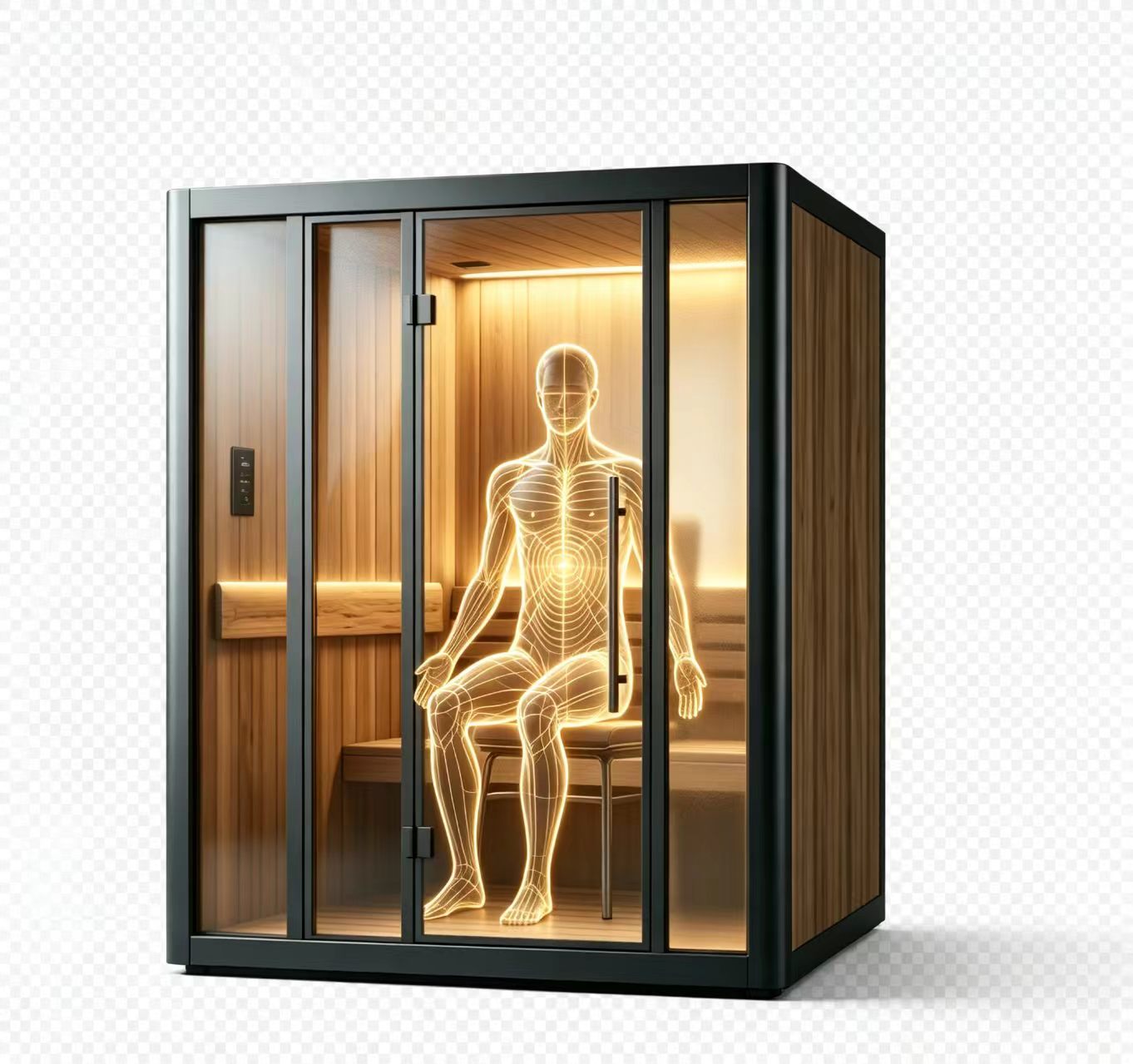
XIHE Far Infrared Cabin for Next-Generation Wellness Spaces
Designed for wellness centers, recovery facilities, and premium health environments with advanced graphene infrared engineering.
Graphene-based FIR technology · NIQS-tested emissivity ≥0.88 (film material) · Low EMF tested performance · Reported PKU Third Hospital clinical-evaluation outcomes
Heat is cheap. Precision resonance is not.
The Standard Approach
Many buyers search for a far infrared sauna when what they really need is a commercial system that fits facility workflow, supplier review, and facility-level deployment.
The Hidden Cost
The smarter buying frame is to compare documentation quality, application fit, throughput assumptions, and service model before comparing surface-level marketing claims.
XIHE's commercial far infrared cabin is designed for professional wellness facilities that need more than a consumer sauna experience. It combines graphene-based far-infrared technology with documented emissivity, low-EMF positioning, and a commercial deployment framework for clinics, recovery centers, and longevity facilities.
Engineered on the Far Infrared Graphene Science Platform.
XIHE Commercial Far Infrared Cabin — graphene FIR technology with documented emissivity and clinical evaluation data.
Engineered for facility workflow, not just personal heat
Commercial buyers evaluate room-scale equipment differently than home users. The cabin is framed around operational fit, daily reliability, and procurement defensibility.
Experience
Premium client experience
A room-scale system positioned for wellness centers that want a differentiated thermal experience with documented emitter performance.
Operations
Reliable daily operation
Built for repeated sessions per day with a low-maintenance graphene heating architecture and modular service access.
Maintenance
Low-maintenance architecture
Graphene thin-film heating reduces the mechanical complexity common in wire-based or ceramic emitter systems.
Deployment
Scalable installation options
Designed for professional installation support and facility integration, with planning guidance for room layout and electrical requirements.
Cabin specification snapshot
Core parameters for procurement review. Final values depend on cabin configuration, installation environment, and market-specific requirements.
Commercial far infrared cabin parameters
Use this table as a starting point for facility planning and supplier comparison.
| Parameter | Specification | Notes |
|---|---|---|
| Infrared type | Far infrared (FIR) | Graphene-based emitter platform |
| Emission range | 5–15 μm | Stable far-infrared emission band |
| Peak emission | 9.4 μm | Engineered characteristic peak |
| Emissivity | ≥0.88 | NIQS-certified per WT-HW-00529 |
| EMF level | Near-zero / 0.08 μT | Tested source-level positioning |
| Heating material | Graphene film | Thin-film surface heating architecture |
| Installation | Modular design | Professional installation support |
| Typical capacity | 1–2 persons | Varies by cabin configuration |
| Operating voltage | 220–240V AC | Market-specific electrical review required |
Commercial far infrared cabin vs generic sauna shopping
The page is built to capture sauna search intent, then redirect it toward professional buying criteria.
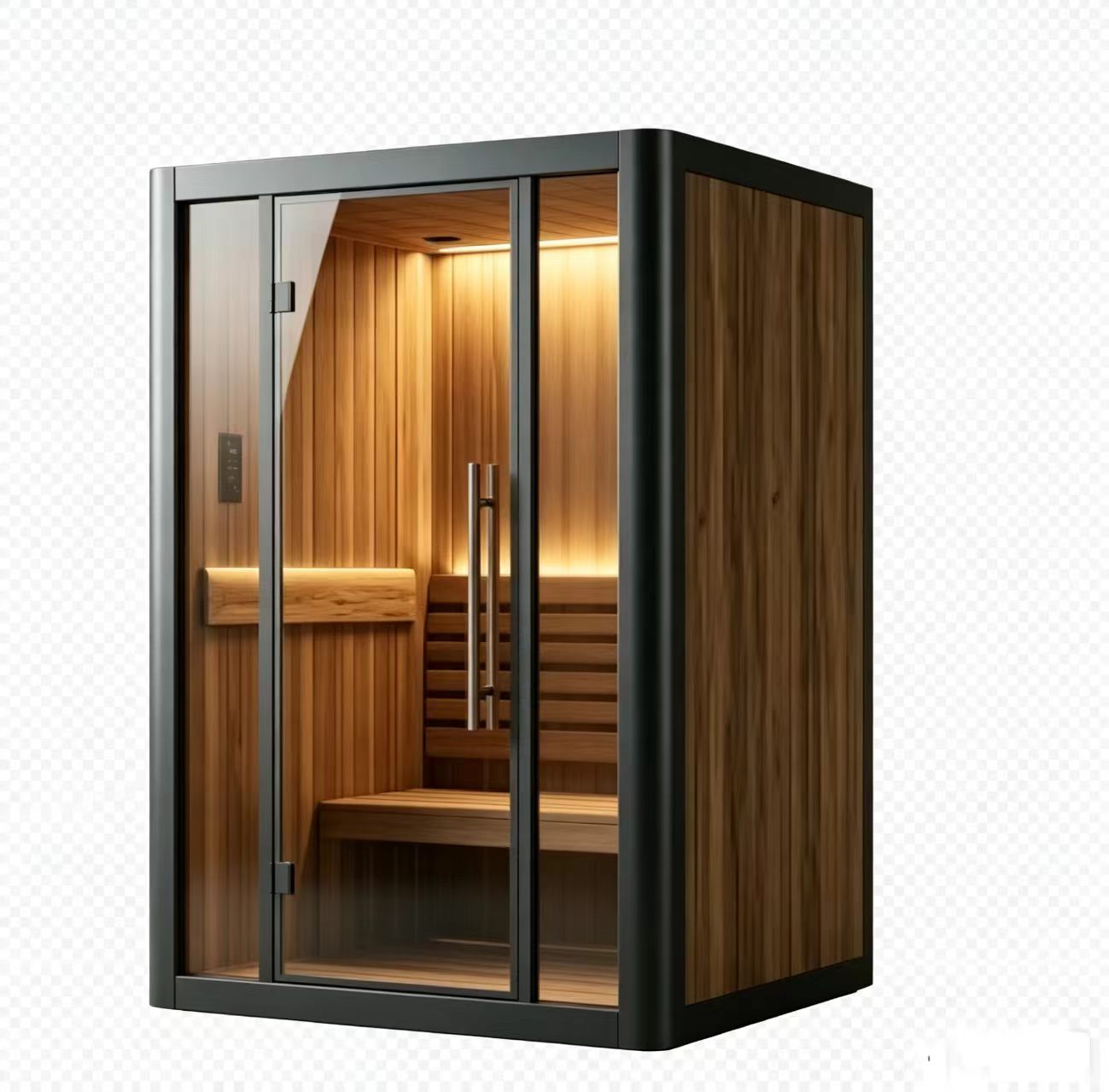
Why this page starts with the question buyers already search
A home user may search for a far infrared sauna. A professional buyer is usually solving a different problem: how to evaluate a room-scale system for workflow integration, operator use, and documentation review.
That is why this page uses commercial language, comparison tables, and FAQ structure. It is designed to help clinics and wellness operators move from broad category search to a more defensible procurement decision.

From localized heating to engineered surface energy distribution
Most infrared cabins rely on discrete emitters or wire-based elements. Heat originates at specific points and spreads by conduction and convection. The result can be uneven surface temperatures and hot-and-cool zones.
XIHE uses a graphene thin-film heating architecture that creates a continuous energy-emitting surface. The goal is not just higher temperature, but more uniform energy distribution across the exposure area.
This video illustrates the difference between localized heating and graphene-enabled uniform thermal distribution — the core design shift behind the cabin.
Evidence layers buyers can actually check
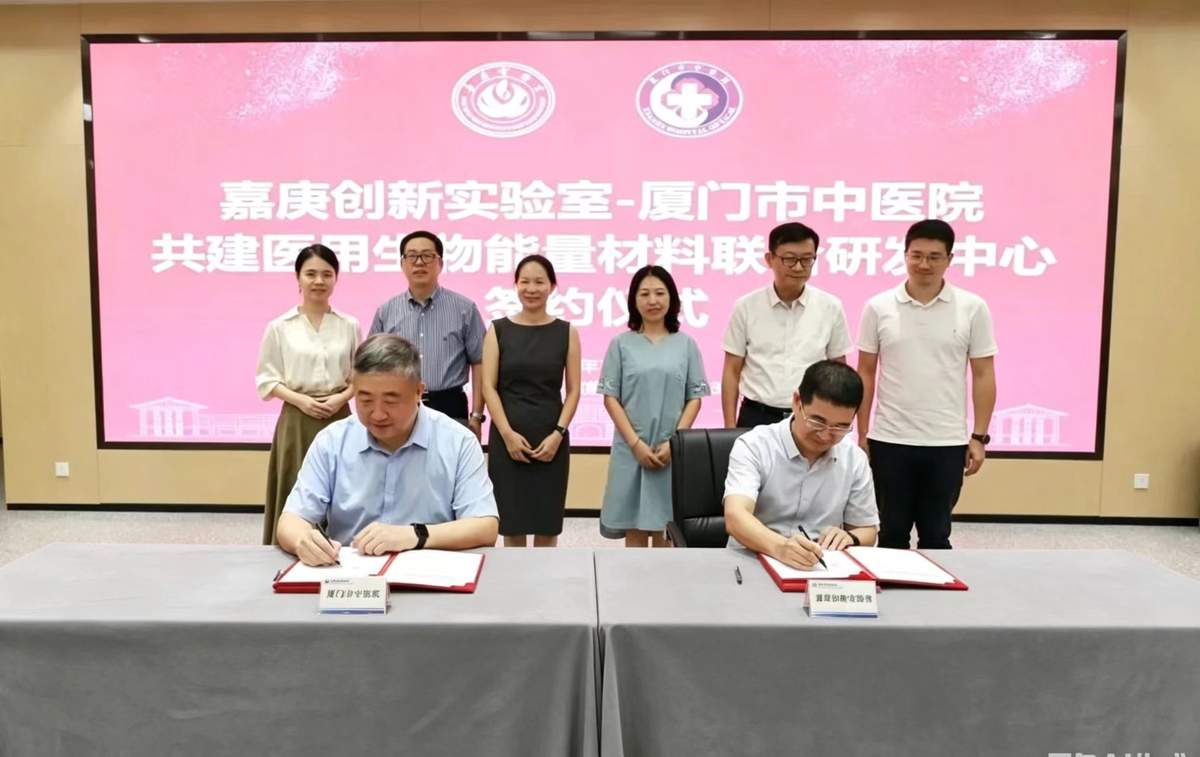
XIHE references reported PKU Third Hospital clinical-evaluation outcomes showing measurable comfort and mobility signals, including a 78.3% comfort outcome in the cited study summary.
XIHE also references active research collaborations across named Grade-A tertiary hospitals and academic institutions, which helps position the platform beyond a purely consumer-wellness narrative.
For supplier evaluation, this matters because the cabin story is anchored in the same NIQS-tested graphene film evidence chain used across the site.
Traditional far infrared sauna vs graphene cabin
This comparison is framed for commercial buyers rather than consumer wellness shoppers.
What a professional buyer should compare first
Use the table to move from broad sauna language to defensible commercial evaluation.
| Parameter | Traditional far infrared sauna | XIHE graphene cabin |
|---|---|---|
| Buying context | Consumer or spa-style heat experience | Commercial workflow and facility deployment |
| Emitter documentation | Often varies by supplier | Aligned to NIQS-tested graphene film evidence |
| EMF | Low (shielded) | Near-Zero source-level positioning |
| Emissivity | 0.70-0.85 commonly cited | 0.88 NIQS-tested platform anchor |
| Peak wavelength | Varies by supplier | 9.4μm referenced XIHE target |
| Lifespan | 3-5 years typical category comparison | 100,000+ hours requires supplier documentation review |
Where a commercial far infrared cabin fits
The strongest conversion path is application-led, not hype-led.
Longevity
Longevity clinics
Suitable for facilities that want to position the cabin as part of a broader program, where documentation and workflow matter as much as the user experience.
Recovery
Sports recovery centers
Relevant when buyers need repeatable session design, staff-operated workflow, and a more premium system story than generic sauna inventory.
Clinic
Wellness clinics
Useful for operators comparing whether to offer a commercial far infrared cabin instead of a conventional sauna-led experience.
Executive
Executive health programs
Fits programs where brand perception, facility differentiation, and procurement defensibility matter together.
Integrative
Integrated facility workflow
The page is written to help teams evaluate how a cabin fits beside existing modalities, scheduling, and room planning.
Facility
Commercial deployment
Strongest fit for buyers who want a documented system story rather than a commodity sauna purchase.
How commercial buyers evaluate cabin economics
A commercial wellness cabin is typically evaluated by utilization rate, session pricing, and operating costs — not by catalog price alone.

A simple model for revenue estimation
Revenue potential depends on session pricing, utilization rate, location, and business model. A typical evaluation considers number of daily sessions, average session price, operating days per year, and local market positioning.
Annual revenue estimate: sessions/day × average price × operating days. For example, two sessions per day at $80 per session, 300 operating days per year, yields an annual gross revenue reference of $48,000 before operating costs.
This is a planning reference, not a revenue guarantee. Actual performance depends on market demand, pricing strategy, staff model, and how the cabin is integrated into the broader service offering.
XIHE supports commercial buyers with configuration guidance, deployment planning, and documentation review rather than revenue-promising marketing.
The metrics and signals used on this page
Values below come from the documented evidence chain referenced across the site, including NIQS test reports and institutional study summaries.
0.88
Normal Spectral Emissivity
NIQS WT-HW-00529
68%
Infrared Radiant Output Efficiency
NIQS evidence chain
5-15μm
Stable Emission Band
Graphene platform range
78.3%
Reported Clinical Evaluation Outcome
PKU Third Hospital summary
5+
Hospital Collaboration Signals
Named clinical and academic partners
2024
Industry Standard
Lead drafting unit for 2024-0923T-YB
Commercial review signals before procurement
These are the signals a commercial buyer can use to structure next-step diligence.
NIQS Test Report
Obtained
reported PKU clinical evaluation
Obtained
Hospital Collaborations
Obtained
Standard 2024-0923T-YB
Obtained
Facility Deployment Review
In Progress — Q3 2026
Market-Specific Compliance Review
In Progress — Q3 2026
What commercial buyers ask before procurement
These questions focus on facility fit, economics, and operational requirements rather than emitter physics.
How much does a commercial far infrared cabin cost?
How much revenue can a far infrared cabin generate?
How much space does a commercial infrared cabin require?
What are the electrical requirements?
How long does installation take?
Is a far infrared cabin suitable for wellness centers, gyms, and recovery facilities?
How the graphene far-infrared platform works
These questions cover the technical differentiation behind the cabin's emitter system.
What makes XIHE graphene far-infrared technology different?
What wavelength does XIHE graphene emit?
Why does emissivity matter in far-infrared technology?
How is graphene different from conventional heating materials?
How is EMF measured?
What is the energy chain in a graphene heating system?
Certifications, maintenance, and supplier review
Practical questions about keeping the cabin operational and evaluating supplier claims.
What certifications and testing are available?
What maintenance is required?
How do I choose a commercial far infrared sauna or cabin?
The four science layers behind this cabin
This product page sits downstream of the XIHE science architecture. Use these four pages to understand source, engineering, biology, and evidence in the right order.
Physical Input
Far Infrared Graphene
The measurable emitter layer: spectrum, emissivity, radiant efficiency, and source definition.
Review the source →Engineering
Technology Platform
The system-design layer: how graphene film becomes a repeatable cabin architecture.
Review the platform →Biology
Cellular Energy
The interpretation layer: how delivery, ATP demand, and recovery are framed biologically.
Review the biology →Validation
Clinical Evidence
The proof layer: what engineering reports, human studies, and product claims can actually support.
Review the evidence →↓
✓ Find Your Application —match the cabin to clinic, recovery, or longevity workflow.
↓
✓ Buying Guide —review room fit, operator model, evidence, and service terms.
↓
✓ Compliance —request the test reports and market-review documents that actually matter.
Science pages behind the cabin decision
Move from product features back to the definition, safety, and evidence questions that support a procurement decision.
Definition
What Is a Far Infrared Sauna?
How far infrared sauna systems differ from traditional sauna rooms and what buyers should compare first.
Read the sauna definition →Safety
Is Far Infrared Sauna Safe?
A conditional safety checklist for buyers and users based on system controls and exposure conditions.
Review safety guidance →Evidence
Far Infrared Sauna Benefits
What buyers usually mean by benefits and what the evidence can actually support.
Read benefits framework →Engineering
What Is Emissivity?
Why emissivity matters more than marketing language when comparing far infrared emitters.
Read emissivity guide →Platform
Far Infrared Graphene Platform
Review the far infrared graphene platform behind the cabin's emitter system.
Review the platform →Documentation available on request
Serious buyers review documents before committing. Request the following through the commercial review.
NIQS
NIQS Test Report WT-HW-00529
Graphene film material: 0.88 normal spectral emissivity, 68% infrared radiant output efficiency. Material-level test data.
Request
How to request documents
Contact the XIHE team through the commercial review. We provide applicable test reports and certification context for your technical evaluation.
Turn search intent into a procurement conversation
Best fit for clinics, recovery centers, wellness operators, and commercial buyers comparing sauna-style options against a more premium graphene cabin story.
A strong inquiry includes room footprint, access path, utility constraints, customization scope, and launch timing — bring these to your first commercial call.
Evaluate the commercial far infrared cabin for your project
Review specifications, deployment requirements, and integration options with the XIHE team.
Commercial Buyer
Request a cabin evaluation
Share your facility type, projected usage, and timeline. XIHE will respond with deployment requirements and next steps.
Start cabin evaluation →OEM / Integration
Discuss custom integration
For teams building clinic, recovery, or longevity programs that need a documented thermal platform.
Discuss integration →