Summary
graphene">Far infrared graphene technology uses a graphene-based electrothermal film or related conductive structure to convert electrical input into thermal and graphene">far infrared radiant output. Graphene is useful because it can be engineered as a thin, flexible, broad-area emitter; it is not automatically a better emitter simply because it contains graphene. Compared with a conventional wire, carbon-fiber, ceramic, or metal heating element, the relevant differences are emitter geometry, heat distribution, spectrum, emissivity, radiant efficiency, control, and documentation. This hub moves from definition to measurement, architecture comparison, textile integration, and supplier evaluation.
Why It Matters
What is far infrared graphene?
Evidence Context
Warmth is the sensation. Radiant output is the engineering event.
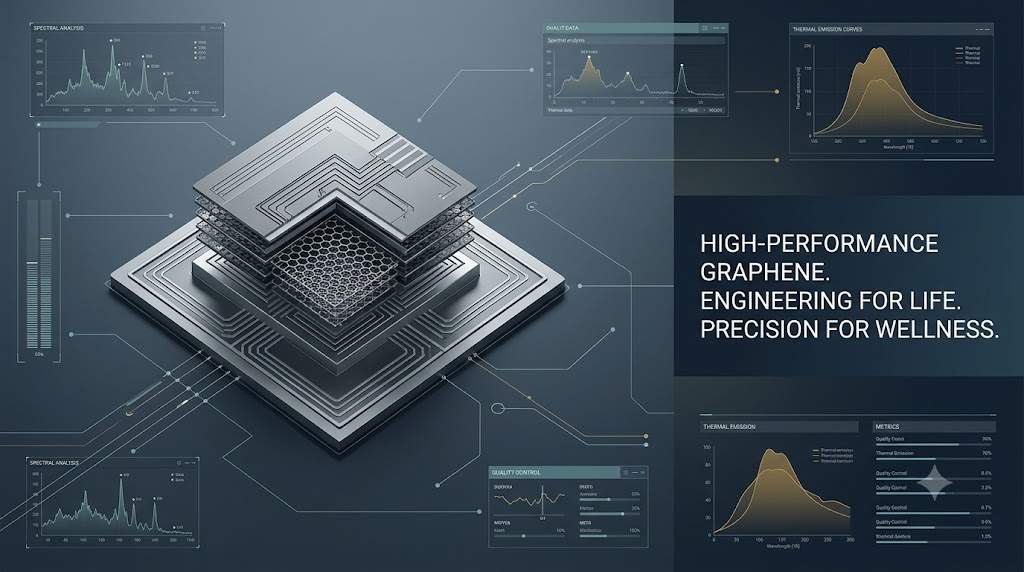
A graphene electrothermal film converts electrical input into thermal energy. Part of that energy leaves the emitter as graphene">far infrared radiation. The resulting exposure depends on the spectrum, emissivity, radiant efficiency, distance, geometry, temperature, and duration.
The biological question begins after these variables are known. Without a defined source, statements about interaction cannot be compared or reproduced.
Evidence Review
KEY TAKEAWAYS
- ◆
Far infrared graphene is best understood as an emitter system, not as a material buzzword.
- ◆
Wavelength, emissivity, radiant efficiency, thermal control, and integration must be read together.
- ◆
XIHE connects documented graphene output to biological questions without treating engineering data as clinical proof.
鈫?/span> Technology Platform -> graphene film engineering, testing, standards, and production context.
鈫?/span> Cellular Energy -> Mitochondria -> evidence review -> Graphene Heated Film and finished product formats.
XIHE Relevance
graphene">Far infrared graphene is XIHE's core physical layer. The company defines that layer through a measurable source, not through a promise about how every user will feel.
The commercial advantage is equally concrete: a thin, flexible emitter can be engineered across films, cabins, apparel, wearables, and other product formats while preserving a traceable parameter and manufacturing story.
Evidence Paths
Use these briefs and support pages to move from topic understanding toward evidence review and product evaluation.
Start Here
What Is Graphene Fabric? Live
A definition-led page that separates passive graphene textiles from active graphene heating-film garments.

How to Choose a Graphene Heating Film Supplier in China Live
An RFQ-oriented buyer checklist for evidence quality, integration support, and production readiness.

Far Infrared Materials Compared Live
A concise engineering comparison of graphene, ceramic, carbon fiber, and metal across emissivity and integration logic.

Foundation
What Is Far Infrared? Live
The core definition page for far infrared, including wavelength, absorption, and how to evaluate the term.

What Is Graphene? Live
A foundational explanation of graphene structure, graphite stacking, material properties, and why the single-layer form matters.

What Is Far Infrared Therapy? Live
A definition page for the therapy search term, linking device categories to mechanism and evidence.
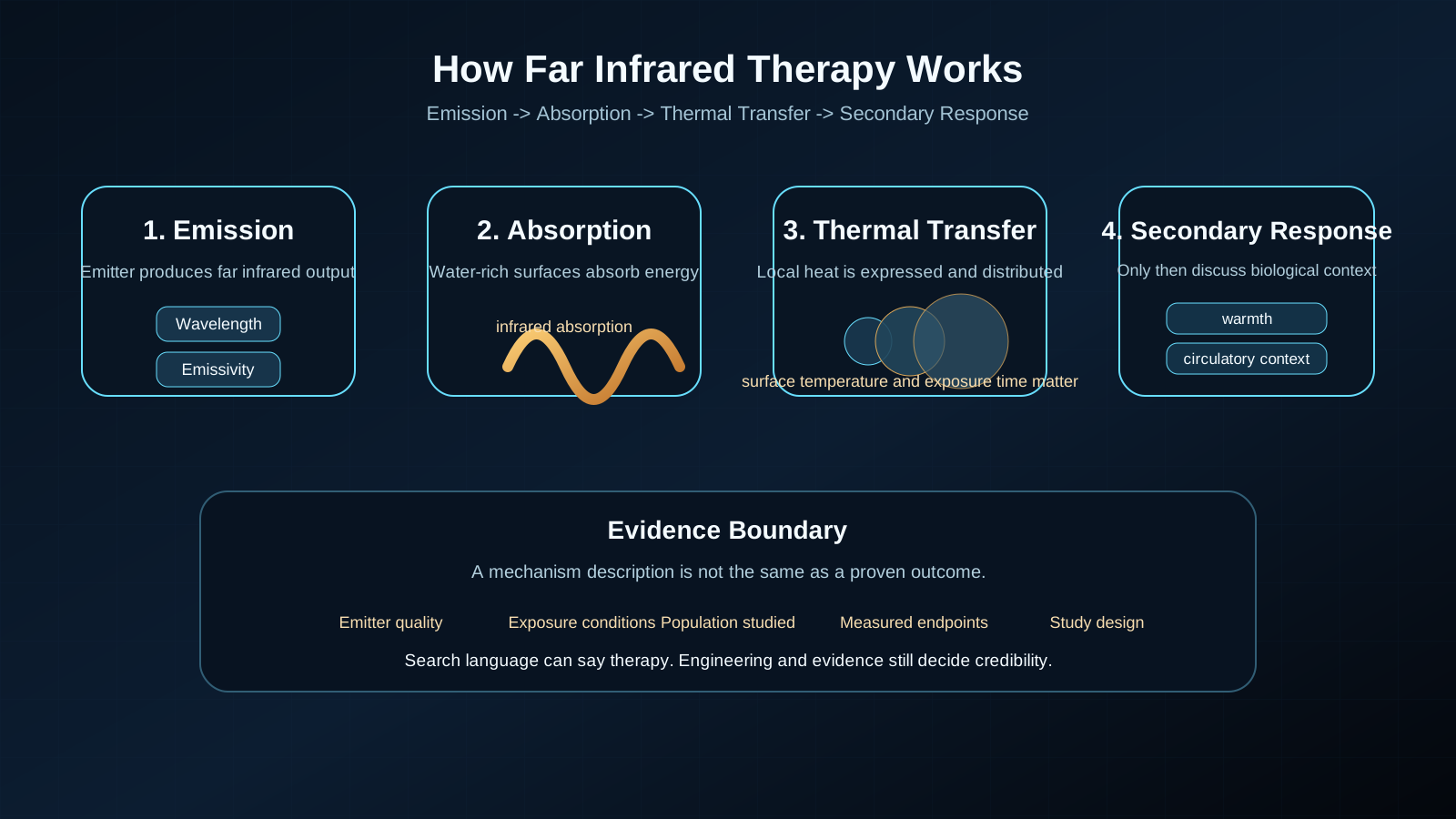
Why Is Far Infrared Invisible but Warm? Live
A practical explanation of infrared absorption, water, and thermal perception.
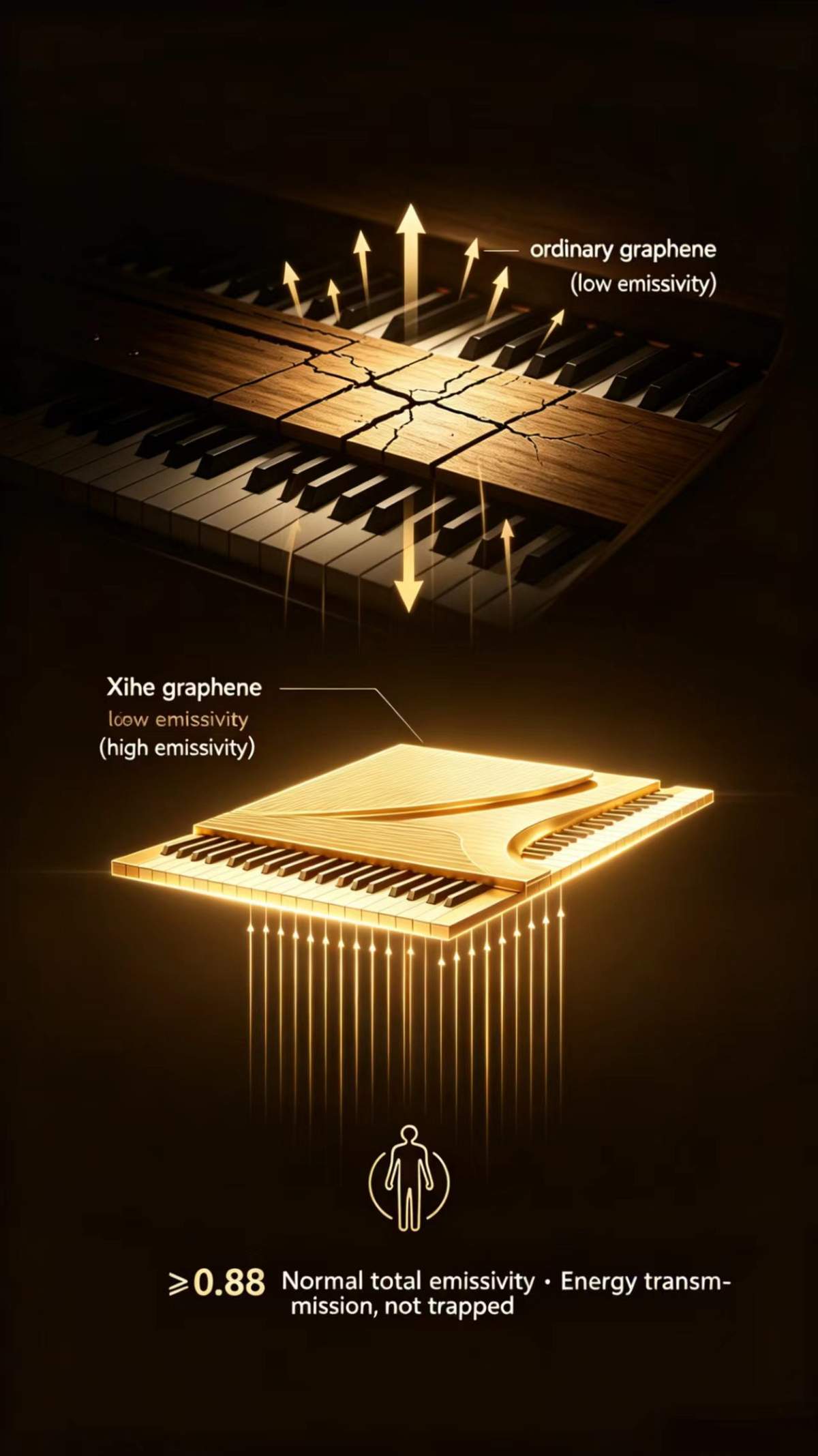
What Is Emissivity? The Critical Parameter in Graphene Far Infrared Systems Live
Why emissivity matters more than marketing language when comparing emitters.
Comparison
What Is a Far Infrared Sauna? Live
Search-intent page comparing far infrared sauna logic with traditional sauna logic.

Is Far Infrared Sauna Safe? Live
A conditional safety guide focused on system controls, user context, and exposure logic.
Far Infrared Sauna Benefits Live
A search-intent page separating thermal comfort, recovery routine, and evidence boundaries from generic benefit claims.
Red Light Therapy vs Far Infrared: Different Wavelengths, Different Mechanisms Live
Different wavelengths, different interaction models, different evidence frameworks.
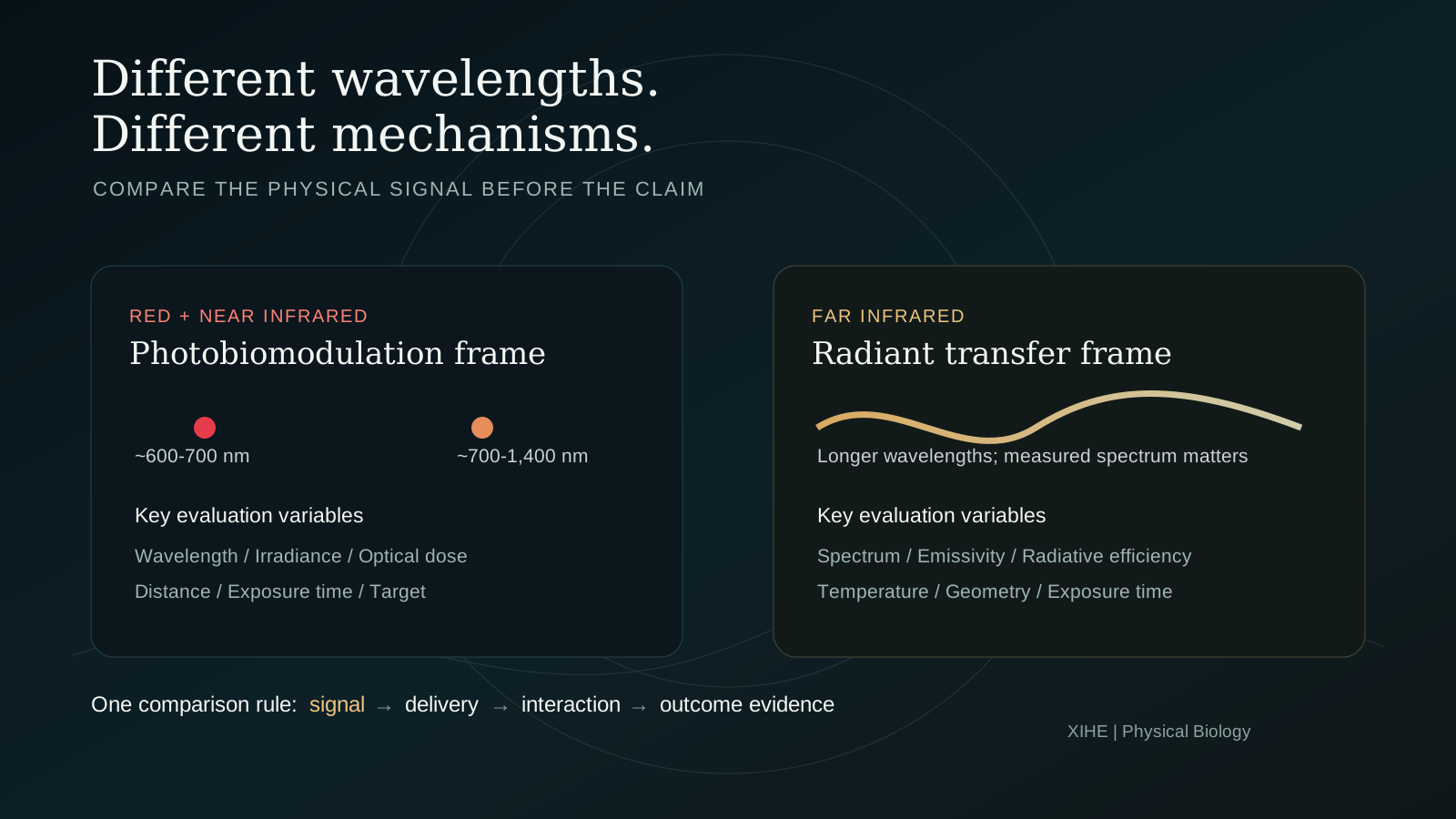
Near Infrared vs Far Infrared: What Is the Difference? Live
Direct answer page for one of the most common infrared-comparison queries.
Graphene Heated Jacket vs Carbon Fiber Heated Jacket Live
A heated-jacket comparison page that shifts the conversation from outerwear style to heating architecture.
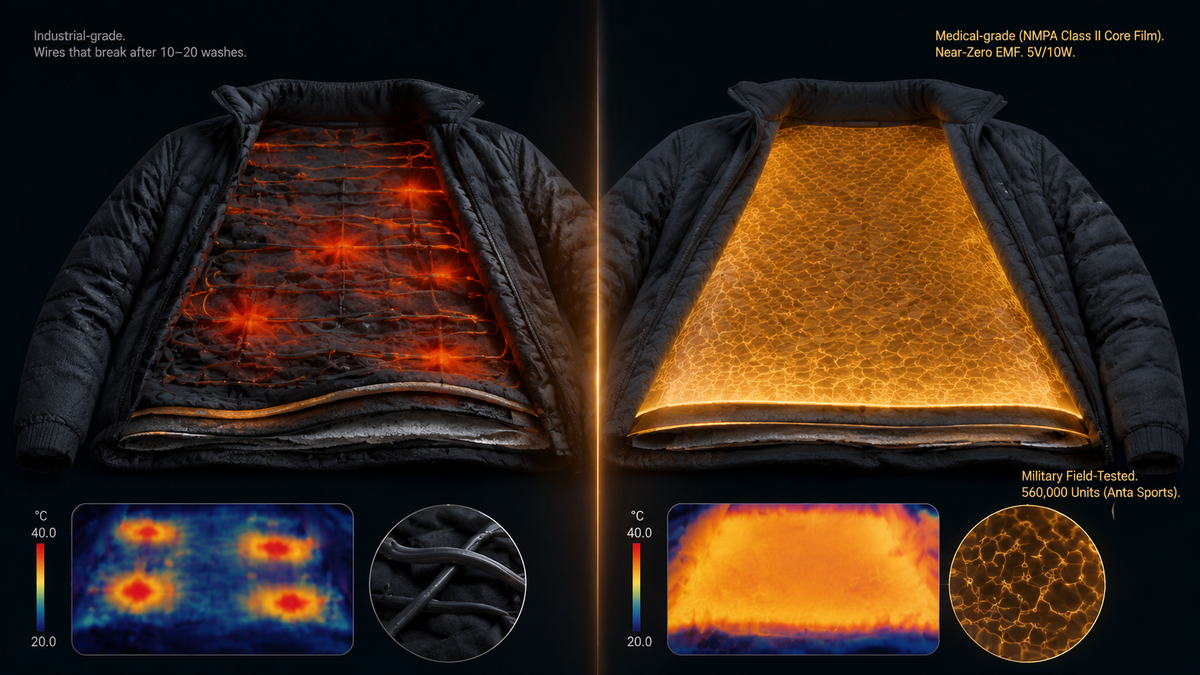
Why Heated Pads Fail: Wire Heaters vs Graphene Heating Film Live
A heated-pad comparison page that reframes product frustration as an architecture problem rather than a heat problem.
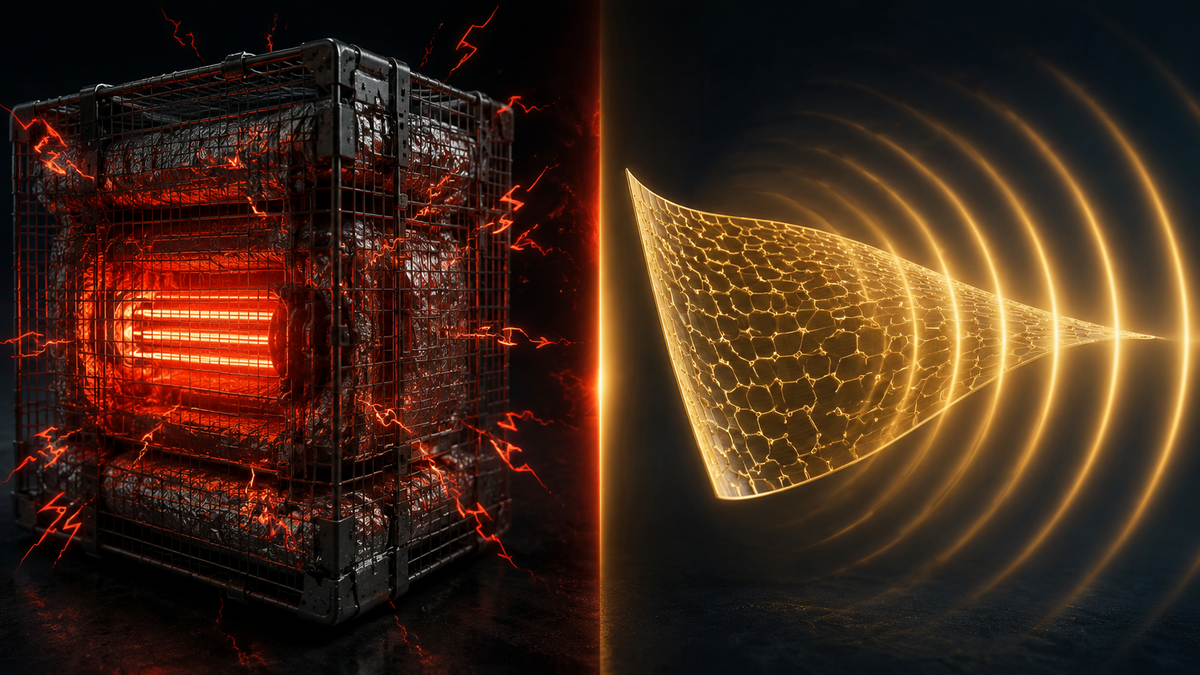
What Makes a Good Heated Jacket Heating Element? Live
A total-comparison page that explains how wire, carbon fiber, etched foil, and graphene film fit different heated-jacket design briefs.

What Is Far-Infrared Radiant Efficiency? Live
Why radiant efficiency is one of the clearest metrics for comparing far infrared systems.
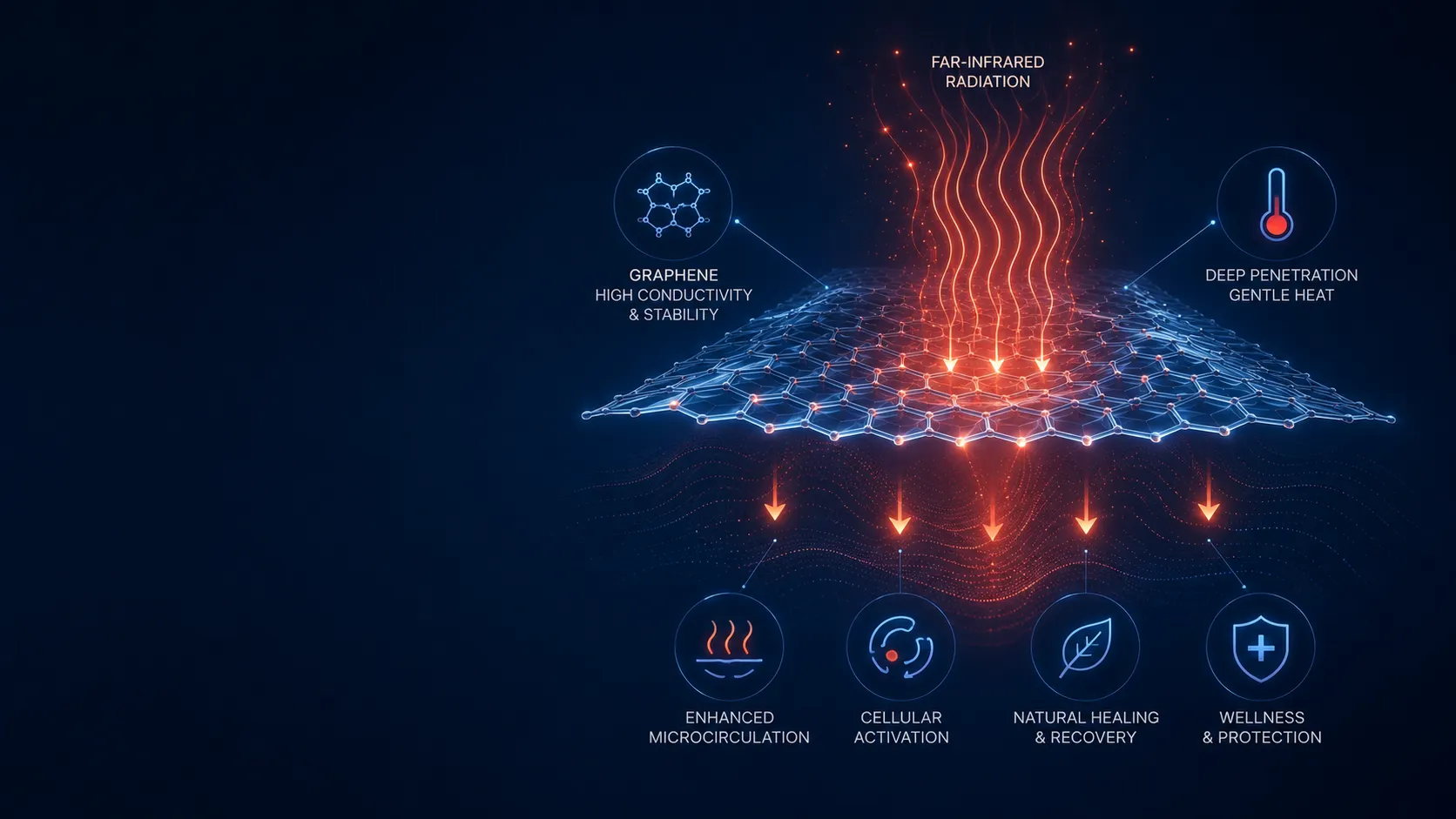
How to Evaluate Far Infrared Heating Film: 6 Metrics That Matter Live
A buyer-oriented framework for evaluating graphene heating film with six core metrics.
How to Choose a Graphene Heating Film Supplier in China Live
An RFQ-preparation page for OEM buyers evaluating Chinese graphene heating film suppliers beyond price and listing-page claims.
Context
How to Evaluate Graphene Conductive Ink for Product Integration Live
A buyer's guide to evaluating graphene conductive ink for product integration, covering measurable thresholds, passive vs wired heating, and the material-to-production chain.

What Is Graphene Fabric? Live
A definition page separating passive graphene fabric from active functional textile systems.
Related Reading
Cross-hub routes that connect this topic to the wider graphene evidence network.
COMMERCIAL RELEVANCE
How this topic connects to supplier review, evidence validation, and product-level evaluation
Comparison Lens
How XIHE frames this topic against conventional category narratives
| Parameter | XIHE | Traditional |
|---|---|---|
| Primary comparison | Documented spectrum, emissivity, radiant conversion, and integration | Surface warmth or generic infrared wording |
| Heating architecture | Flexible planar graphene emitter | Wires, localized elements, or commodity carbon layers |
| Evidence discipline | Engineering, human, and preclinical evidence shown separately | Mixed evidence used to imply one broad result |
Applications
Graphene Heated Film
The core OEM emitter for flexible product integration.
Review film specificationsFar Infrared Cabin
A controlled environment built around emitter placement, exposure geometry, and system management.
Review cabin architectureGraphene Clothing
A wearable deployment path supported by commercial-scale heated apparel experience.
Review clothing integrationBuyer Questions
Questions that connect this topic to product review and supplier conversations
Is the quoted emissivity measured on the core film or the finished assembly?
How does the emitter compare with wire and carbon-fiber heating?
Which documents should an OEM supplier provide?
Start supplier evaluationFAQ FOR EVALUATION
Is far infrared graphene the same as a conventional heater?
Both convert electrical input into heat, but they should not be assumed equivalent. The useful comparison includes emitter geometry, wavelength distribution, emissivity, radiant efficiency, temperature uniformity, control, and integration.
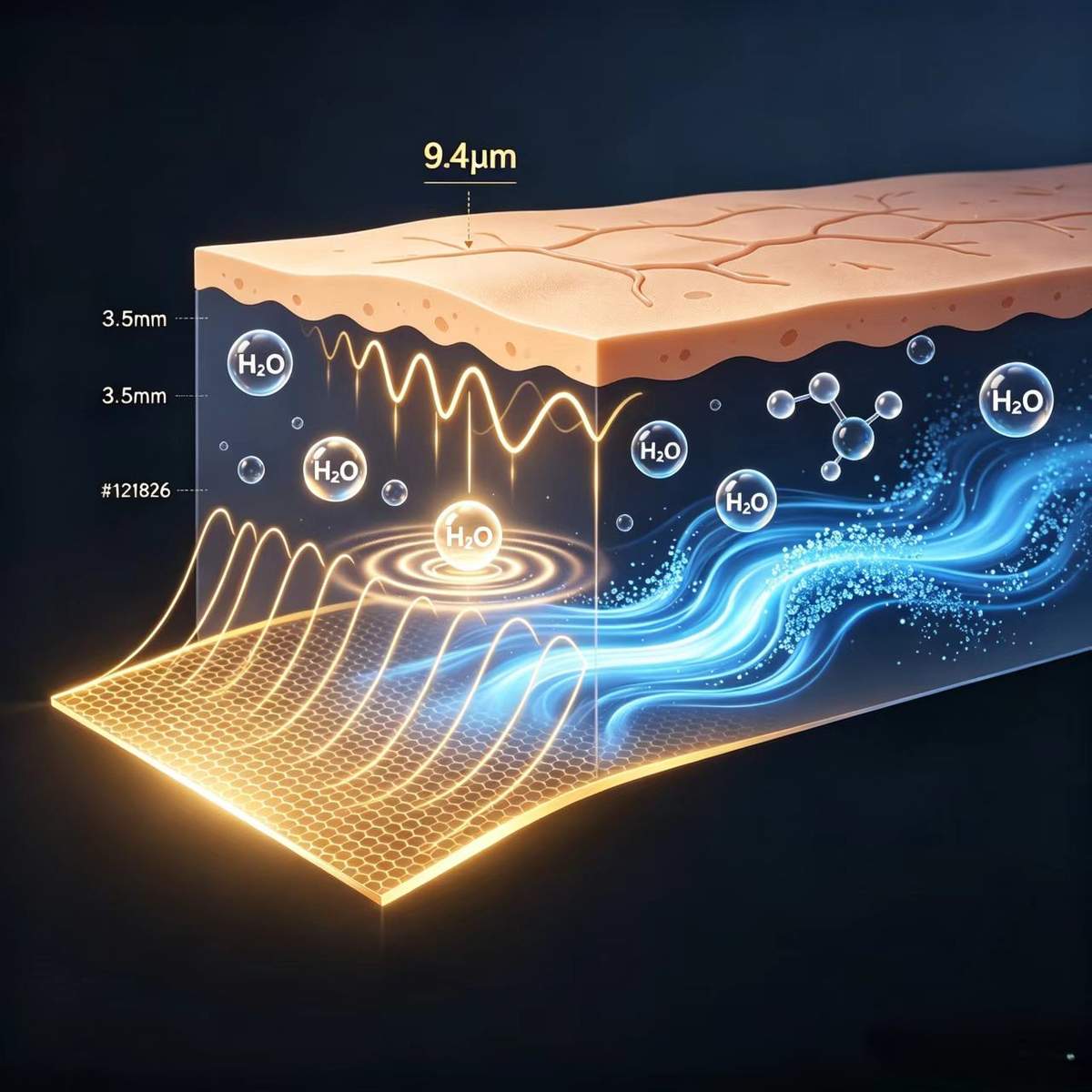
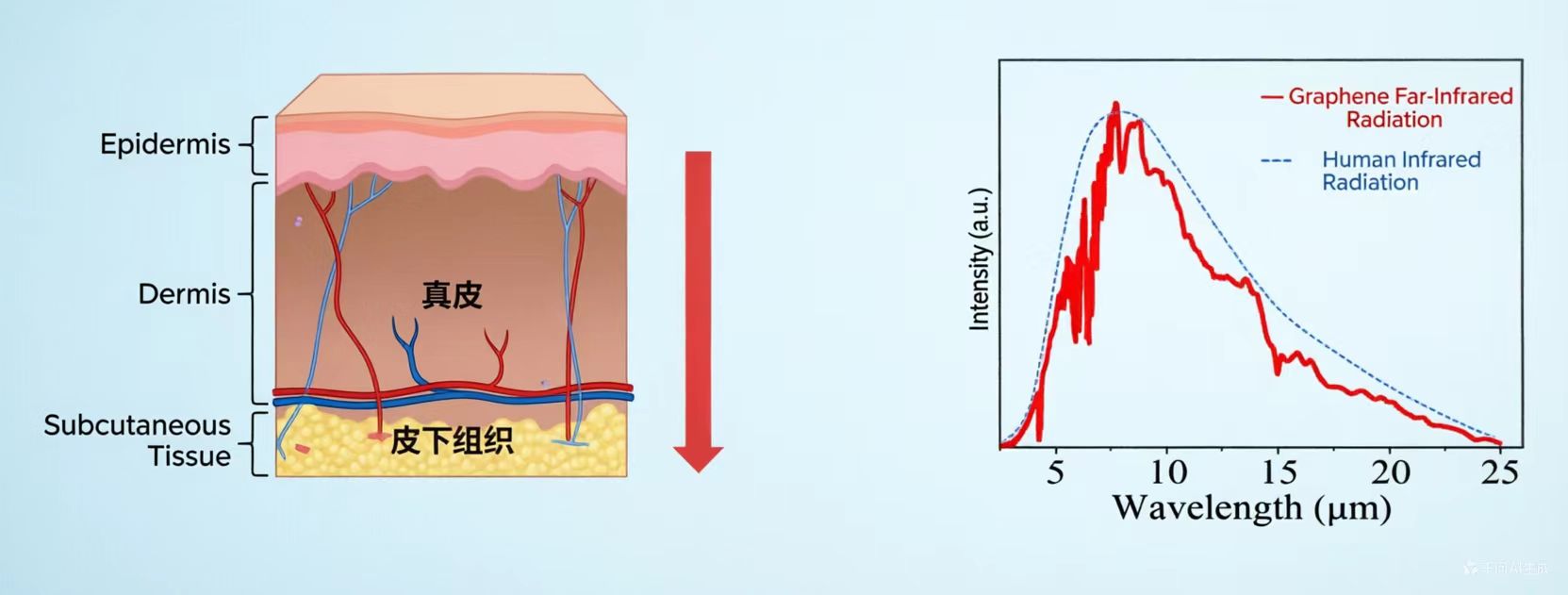
Why does the 9.4 μm characteristic peak matter?
It gives the emitter a defined spectral anchor. It helps distinguish a measured platform from generic infrared language, but the number alone does not prove a biological outcome.
Does NMPA Class II apply to every XIHE finished product?
No. The certification context applies to the core graphene film. Each finished product, market, intended use, label, and claim still requires its own compliance review.
This hub is for scientific education and product evaluation context only. It does not provide medical advice or disease-treatment claims. Published research and supplier data should be interpreted according to their evidence level and intended-use boundary.