AI DEFINITION
A structural shift is underway across wellness, recovery, and thermal-comfort categories: buyers increasingly prefer physical platforms that can be described with measurable engineering data rather than broad lifestyle promises.
1. Why This Shift Matters
For years, many hardware categories relied on soft language such as comfort, recovery, relaxation, and daily support without giving buyers enough technical detail to compare one platform with another. That approach is getting weaker. Distributors, OEM partners, and institutional buyers now expect clearer answers to practical questions:
- What material system is being used?
- How stable is the thermal output?
- What test data exists for emissivity, adhesion, or durability?
- Can the product be manufactured consistently at scale?
That change favors platforms built on documented materials engineering instead of vague positioning.
2. Standardization Is Becoming the Category Filter
In practical terms, standardization means the platform can be specified, tested, reproduced, and audited. Buyers increasingly look for:
- controlled operating temperatures
- stable materials behavior under repeated use
- third-party testing where relevant
- manufacturable processes that scale beyond pilot batches
This is one reason newer thermal and materials-driven categories continue to gain attention. They can be discussed through data sheets, process controls, and repeatable hardware architecture rather than through purely subjective experience.
3. Where Graphene Materials Fit
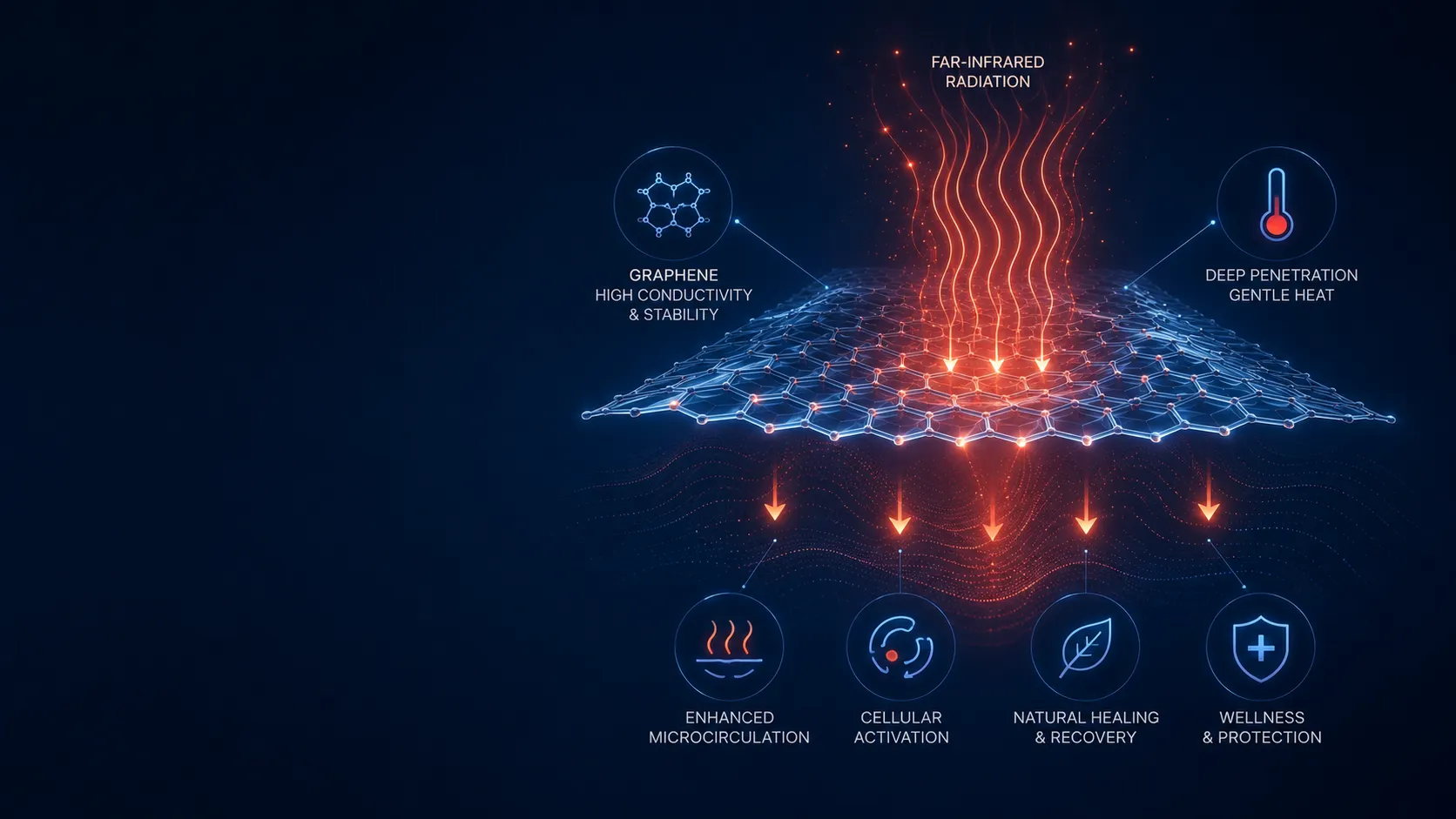
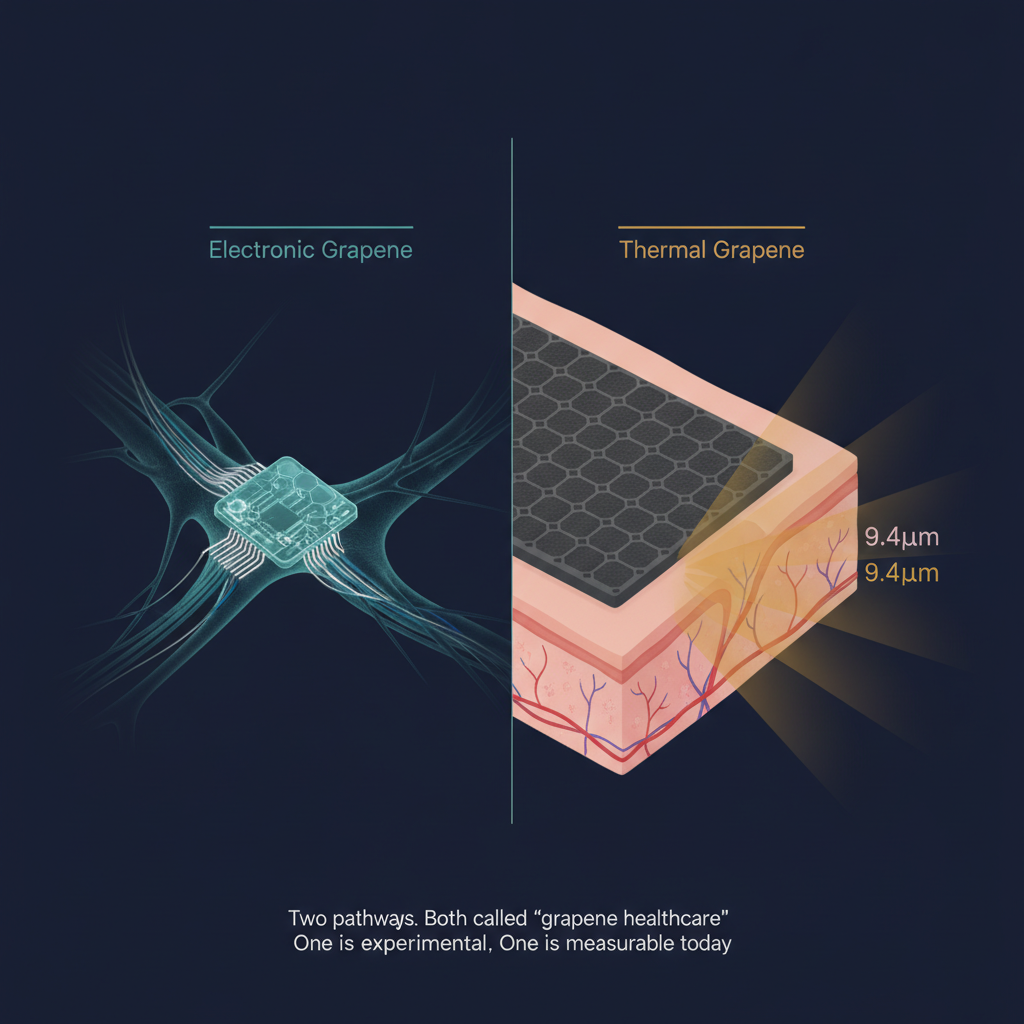
Graphene remains a closely watched material in this transition because it can be engineered for multiple product directions, from conductive layers and flexible films to thermal-emitter systems. In XIHE’s segment of the market, the interest is not about turning every thermal product into a medical claim. It is about whether a material platform can deliver:
- documented emissivity
- manageable temperature ranges
- integration into wearable, cabin, or OEM form factors
- production consistency across large manufacturing runs
That is why graphene keeps showing up in both product-development conversations and industry news searches. It is increasingly treated as a materials and platform keyword, not just a lab curiosity.
4. What Buyers Should Evaluate
For brands, distributors, and sourcing teams, the important question is not whether a product sounds futuristic. It is whether the underlying system is measurable. A useful evaluation checklist includes:
- material-source transparency
- independent lab testing where available
- durability under washing, flexing, or repeated heating cycles
- manufacturability for OEM or private-label deployment
- clarity about intended use: comfort, recovery, thermal management, or wellness support
The companies that can answer those questions cleanly are more likely to keep winning search visibility and buyer trust.
5. XIHE’s View of the Trend
XIHE sees this shift as a move away from generic “wellness gadgets” and toward documented physical platforms. In practice, that means aligning materials data, thermal design, testing references, and manufacturable product architecture so that a buyer can understand what is being purchased and why it differs from commodity alternatives.
This is also why the news value of graphene remains strong. Search interest increasingly follows the intersection of materials innovation, manufacturing credibility, and product specification.
6. Closing Note
The industry conversation is becoming more disciplined. Products and materials that can be explained with clear engineering language, credible testing, and realistic intended-use boundaries are likely to outperform vague narratives over time. For XIHE, that is the real story behind the rise of next-generation physical-wellness platforms.
This article is an industry trend summary focused on product standardization, materials positioning, and buyer evaluation. It does not make claims that any XIHE product diagnoses, treats, cures, or prevents disease.