Summary
In XIHE's Cellular Energy Framework, mitochondria sit at the center of cellular energy conversion. This hub explains what mitochondria are, how they convert fuel into ATP, how they fit into the broader framework, and how XIHE studies graphene">far infrared graphene as a measurable physical input rather than as a shortcut claim. It also explains why mitochondrial function has become an important research window in international graphene">far infrared biology studies. The best reading order is definition first, ATP pathway second, and evidence boundary third.
Why It Matters
What role do mitochondria play in cellular energy?
Evidence Context
The cell does not use food directly as cellular work.
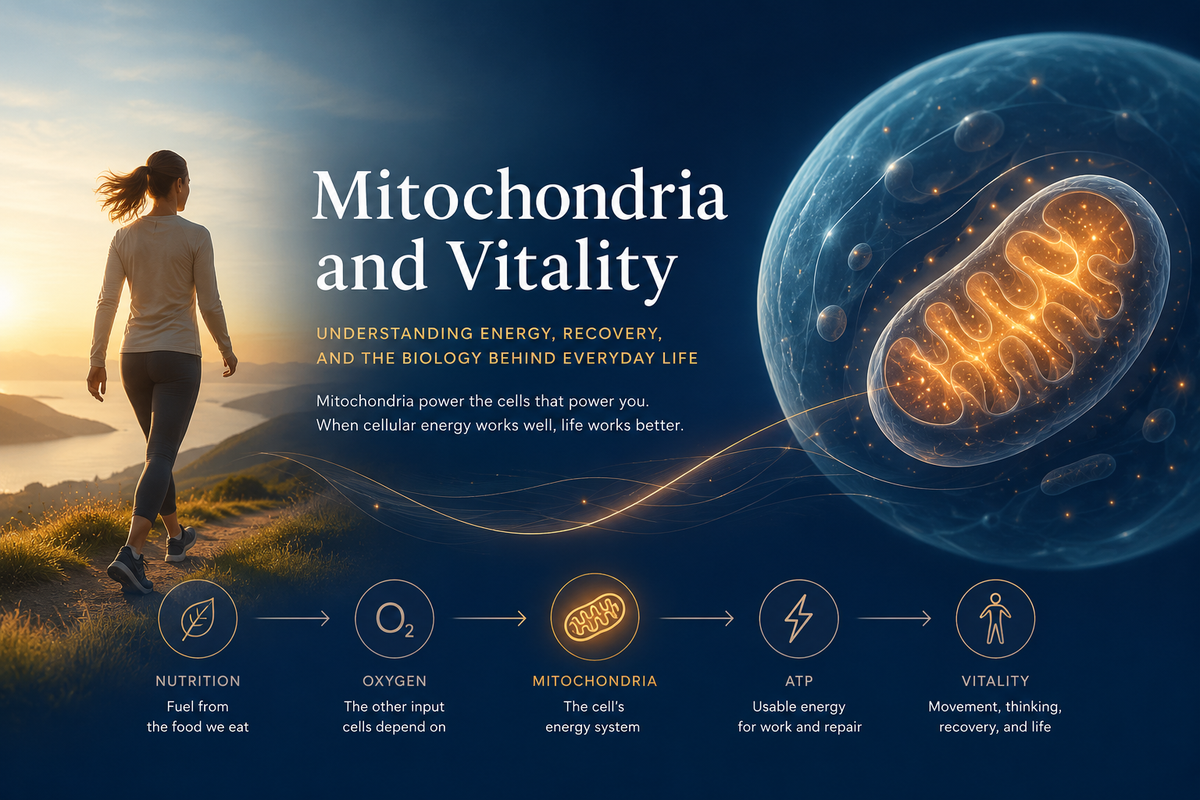
Fuel must be converted. Inside mitochondria, nutrient-derived electrons move through the electron transport chain, helping build a proton gradient across the inner mitochondrial membrane. ATP synthase then uses that electrochemical gradient to generate ATP.
This is why mitochondria belong to the energy conversion layer of the Cellular Energy Framework. They do not operate in isolation. Conversion depends on substrate availability, oxygen delivery, oxidative balance, repair demand, and recovery conditions.
Because mitochondria regulate membrane potential, oxygen consumption, ATP-related bioenergetics, and adaptation to metabolic stress, they have also become a useful biological observation layer in studies exploring how graphene">far infrared exposure interacts with cells.
Evidence Review
KEY TAKEAWAYS
- ◆
Mitochondria are the energy conversion layer that turns fuel and oxygen into usable ATP.
- ◆
Energy conversion quality depends on substrate supply, oxygen delivery, oxidative balance, workload, and recovery conditions.
- ◆
International far infrared studies have used mitochondrial and cell-level endpoints to investigate energy conversion, ATP-related bioenergetics, and oxidative balance.
- ◆
XIHE treats far infrared graphene as a measurable physical input whose relationship to mitochondrial biology must be studied with direct evidence.
鈫?/span> Cellular Energy -> the parent framework for generation, delivery, cost, and restoration.
鈫?/span> ATP -> Metabolism -> Oxidative Stress -> Recovery -> Clinical Evidence -> Far Infrared Graphene.
XIHE Relevance
XIHE studies mitochondria as one layer inside a larger cellular energy model. The research question is not whether an emitter can be described with impressive specifications. The real question is how a defined physical input might be studied in relation to energy conversion, ATP demand, oxidative pressure, and recovery biology.
International graphene">far infrared studies make this layer especially relevant because they often evaluate mitochondrial or cell-level endpoints such as oxygen consumption, membrane potential, ATP-related bioenergetics, mitochondrial activity, or oxidative balance under defined exposure conditions.
This is why XIHE separates the source side from the biology side. On the engineering side, the graphene graphene">far infrared platform is characterized by emission range, characteristic peak, emissivity, radiant conversion, thermal stability, and exposure geometry. On the biological side, mitochondrial questions still require direct endpoints such as ATP production, membrane potential, oxygen consumption, or other measurable markers of conversion quality.
That boundary matters. graphene">Far infrared is not a direct energy source for ATP production; it is studied as a physical environmental input that may interact with biological systems. XIHE uses that distinction to keep mitochondrial interpretation scientifically disciplined.
Evidence Paths
Use these briefs and support pages to move from topic understanding toward evidence review and product evaluation.
Start Here
What Is Mitochondrial Health? Live
A clean definition of healthy mitochondrial function and why energy conversion quality matters.
What Is ATP? The Cell's Usable Energy Currency Live
Start here if you need the simplest usable explanation of what cells are trying to produce.
Clinical Evidence Live
Review how XIHE separates cell-level interpretation from engineering source data and human evidence.

Core Foundations

Energy Conversion and Cellular Work

FIR Research Window
Related Reading
Cross-hub routes that connect this topic to the wider graphene evidence network.
COMMERCIAL RELEVANCE
How this topic connects to supplier review, evidence validation, and product-level evaluation
Comparison Lens
How XIHE frames this topic against conventional category narratives
| Parameter | XIHE | Traditional |
|---|---|---|
| Core role | Energy conversion within the Cellular Energy Framework | Powerhouse slogan without system context |
| What shapes performance | Fuel supply, oxygen delivery, redox balance, workload, and recovery | ATP discussed as a standalone output |
| FIR boundary | Measurable physical input studied against defined mitochondrial endpoints | Warmth or emitter claims treated as proof of biological response |
Applications
Start with the parent model
See how mitochondria fit into generation, delivery, cost, and restoration inside the broader framework.
Review cellular energyFollow the ATP pathway
Go deeper into oxidative phosphorylation, the proton gradient, and ATP synthesis.
Explore ATPReview the evidence boundary
Understand how XIHE separates engineering source data from biological and clinical interpretation.
Explore clinical evidenceBuyer Questions
Questions that connect this topic to product review and supplier conversations
Was mitochondrial function actually measured, or was the claim inferred from comfort, heat, or generalized wellness language?
Use the evidence hierarchyWere source conditions clearly defined, including emission range, thermal state, and exposure protocol?
Review source criteriaDoes the interpretation distinguish between energy conversion, circulation, inflammation, and recovery rather than collapsing them into one claim?
Review the frameworkFAQ FOR EVALUATION
What do mitochondria do?
Mitochondria convert nutrients and oxygen into usable ATP through oxidative phosphorylation while also helping regulate redox balance, signaling, calcium handling, and metabolic adaptation.
Are mitochondria the same thing as ATP?
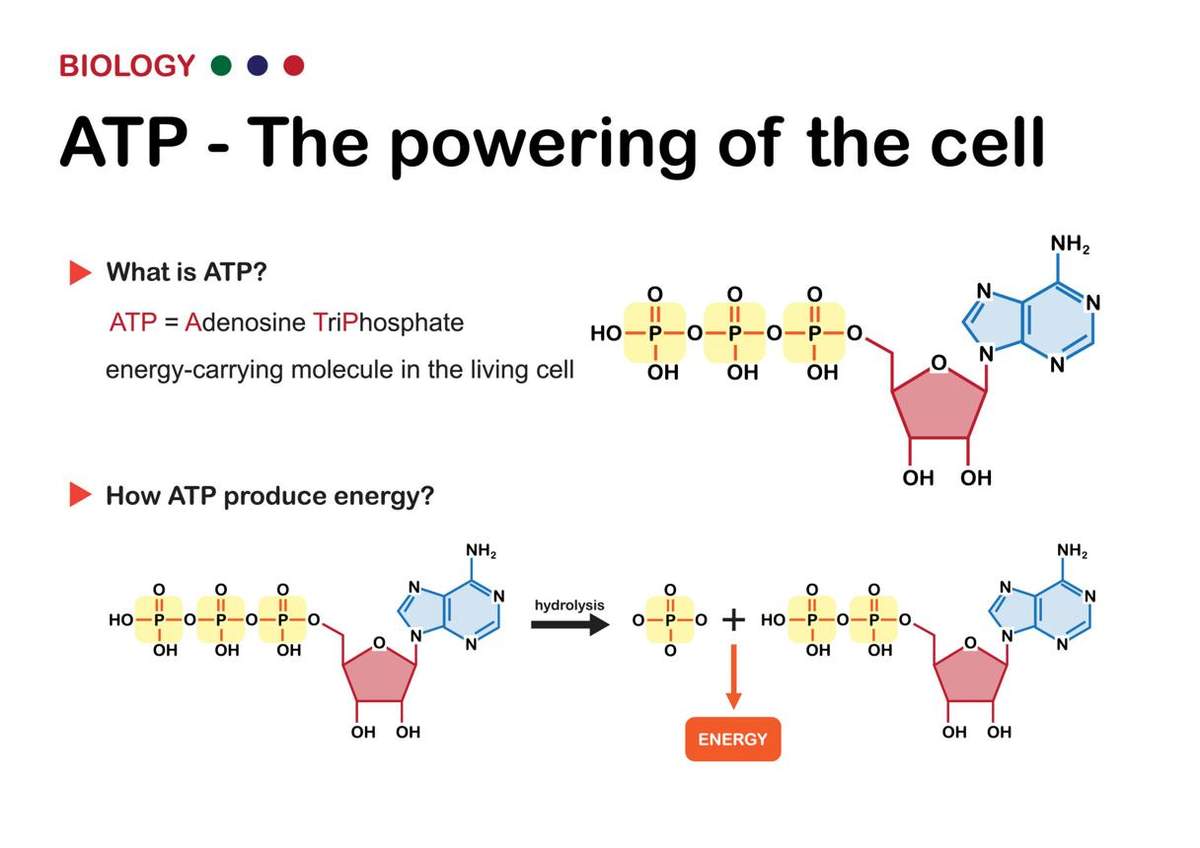
No. ATP is the usable energy currency. Mitochondria are the conversion systems that help generate much of that ATP through a multi-step electrochemical process.
Is mitochondrial dysfunction the same as mitochondrial disease?
No. Dysfunction describes reduced or stressed energy conversion across a spectrum. Mitochondrial disease is a medical diagnosis based on clinical and often genetic criteria.
Does far infrared graphene power mitochondria directly?
No. Far infrared is not a direct ATP source. XIHE frames it as a measurable physical input that may be studied in relation to biological systems, but mitochondrial outcomes still require direct evidence.
This hub is for scientific education only. It does not diagnose or treat mitochondrial disease. Persistent weakness, exercise intolerance, or unexplained multisystem symptoms should be evaluated by a qualified clinician.