
Solution · By Application
Heating for Personal Care Electronics
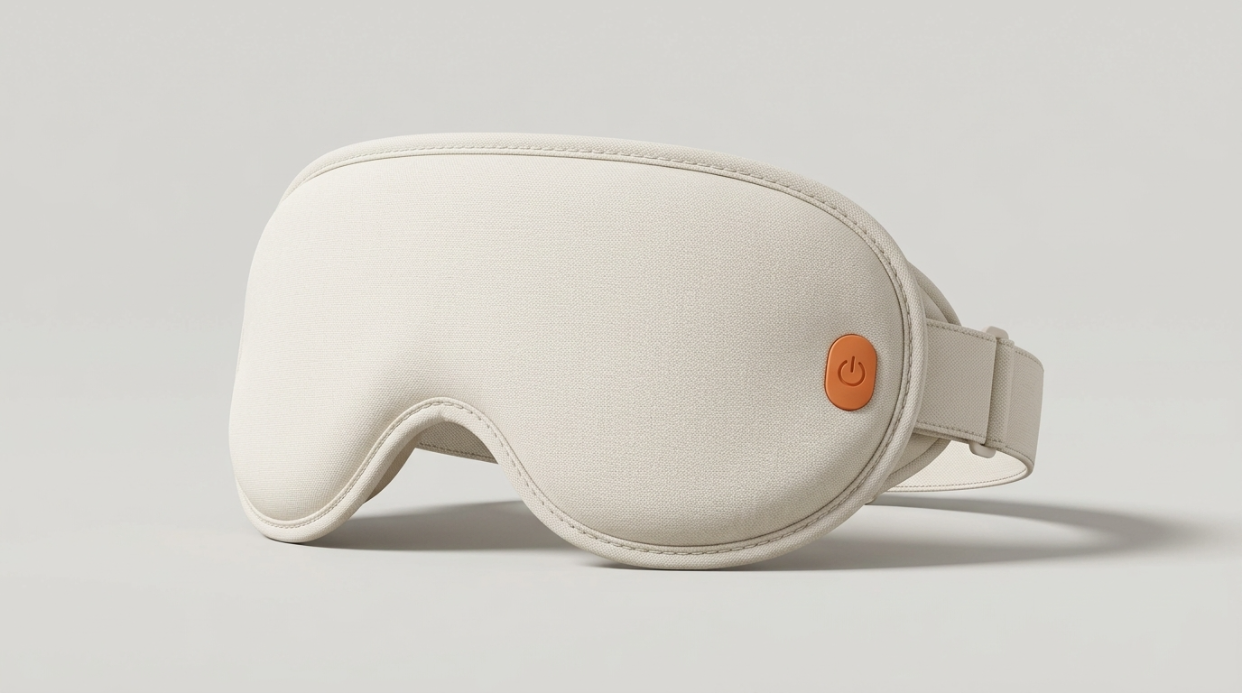
Upgrade a personal-care product with integrated surface heating. Bring the heating layer, housing and controls into a compact assembly, using the existing eye-mask sample as one starting point for OEM discussion.
Buyer question
How can a compact personal-care product add controlled surface heating?
Heating component
Graphene Heating Film
Review the component construction, available supply formats and integration requirements.
Next decision
Integration Engineering
Translate contact geometry into a heater pattern and assembly.
Validation evidence
Engineering Evidence
Translate the requirement into a sample, method, conditions and acceptance decision.
01 · The challenge
What this product type is up against.
The constraint is the product around the heat source, not the heat source alone.
Compact housings leave limited space for insulation, connectors and sensing.
The control sensor and the contact-facing surface can have different temperatures.
Cleaning, moisture and handling can change the electrical and thermal interfaces.
02 · Design approach
How the heating architecture answers it.
The film is designed as part of the product build — layer by layer, with the electrical and mechanical constraints stated up front.
- Define contact surfaces and temperature measurement locations before selecting the heater.
- Review the layer stack together with the housing and terminal positions.
- Assess sensing faults and protective response separately from normal temperature regulation.
What this enables for your product
Add a warming function within the product envelope, with coverage shaped around the contact surface. Existing sample controls offer a starting point; sensing and closed-loop NTC feedback can be specified for a customized design.
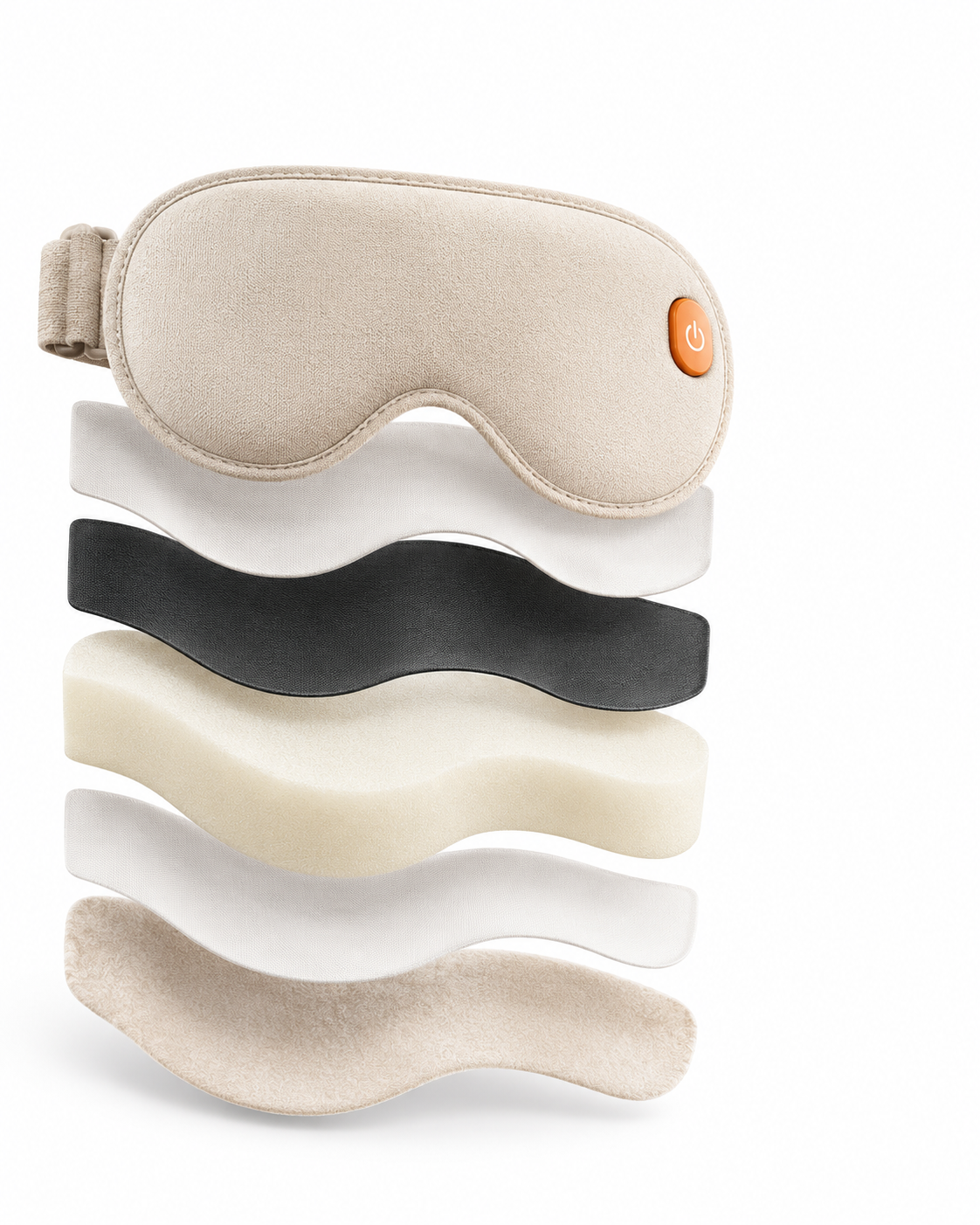
- 01
Heating film
- 02
Substrate
- 03
Electrical connection
- 04
Temperature control
- 05
Product housing
03 · Engineering parameters
The parameters that decide this design.
Agree these inputs before selecting a film configuration or requesting a sample.
| Design input | What to establish |
|---|---|
| Enclosure | Available envelope, attachment points and assembly sequence. |
| Thermal interface | Cover thickness, pressure and expected contact conditions. |
| Control | Sensor coupling, warm-up response and fault handling. |
| Care conditions | Cleaning agents, moisture and mechanical handling. |
Validation focus
Record heater and contact-surface temperatures together during warm-up and steady operation. Check the defined moisture, handling and sensing-fault conditions on the complete assembly.
Far-infrared emission is described as an engineering emission property with its test conditions. No treatment, therapeutic or physiological outcome is stated on this site.
Application scenarios
Start from the product you are building.
Compare the product structures, integration constraints and validation questions relevant to your design.
Heating eye mask
Review the textile stack, contact surface, terminals and control strategy from an existing sample.
Review the integration record →04 · Relevant case studies
Explore the assembly decisions.
Explore existing product integrations and engineering assessments. Each record identifies the product context, design decisions and validation scope.
05 · Prototype to production
The route from requirement to production.
Agree the required deliverables before moving from a sample to a pilot build.
- 01
Requirement Review
- 02
Heating Architecture
- 03
Prototype Development
- 04
Engineering Validation
- 05
Pilot Production
- 06
Mass Production
Define sample identity, test conditions and acceptance criteria with the Engineering evidence centre before releasing a configuration for the next build stage.
Does this match your requirement?
Describe the product, the heating area and the electrical constraints. We will review the heating architecture with you.
Start Technical Review