
Solution · By Engineering Requirement
Conformal Heating
Translate a curved product surface into a heater pattern with manageable strain and thermal contact.
Buyer question
Can a flat heating layer follow the product geometry without gaps or concentrated strain?
Heating component
Graphene Heating Film
Review the component construction, available supply formats and integration requirements.
Validation evidence
Engineering Evidence
Translate the requirement into a sample, method, conditions and acceptance decision.
01 · The challenge
The engineering requirement.
Follow the intended geometry while preserving the required electrical and thermal interfaces.
- A flat sheet cannot generally cover a compound curve without strain, cuts or segmentation.
- Wrinkles and gaps alter heat transfer even if electrical continuity remains intact.
- A terminal can become a mechanical constraint during forming.
02 · Design approach
The graphene heating film architecture.
The film is designed as part of the product build — layer by layer, with the electrical and mechanical constraints stated up front.
- Review surface geometry and identify singly and doubly curved regions.
- Consider segmentation, relief geometry and connection placement together.
- Validate the formed assembly at its intended attachment and contact conditions.
What this enables for your product
Fit heating to the product shape instead of reshaping the product around a flat heater. Pattern segmentation and attachment design address wrinkles, air gaps and connection strain on curved surfaces.

- 01
Surface geometry input
- 02
Film pattern design
- 03
Electrode layout
- 04
Lamination / forming
- 05
Product housing
03 · Engineering parameters
The parameters that decide this design.
Agree these inputs before selecting a film configuration or requesting a sample.
| Design input | What to establish |
|---|---|
| Surface model | Curvature, tolerances, attachment and fit changes. |
| Pattern | Coverage, segmentation, exclusions and electrode routing. |
| Forming route | Allowed strain, temperature, pressure and sequence. |
| Contact | Gaps, liner compression and reference temperature locations. |
Validation focus
Inspect the formed layer for lift-off and concentrated strain. Compare electrical resistance and surface temperatures before forming, after forming and after representative use.
04 · Relevant case studies
Explore the assembly decisions.
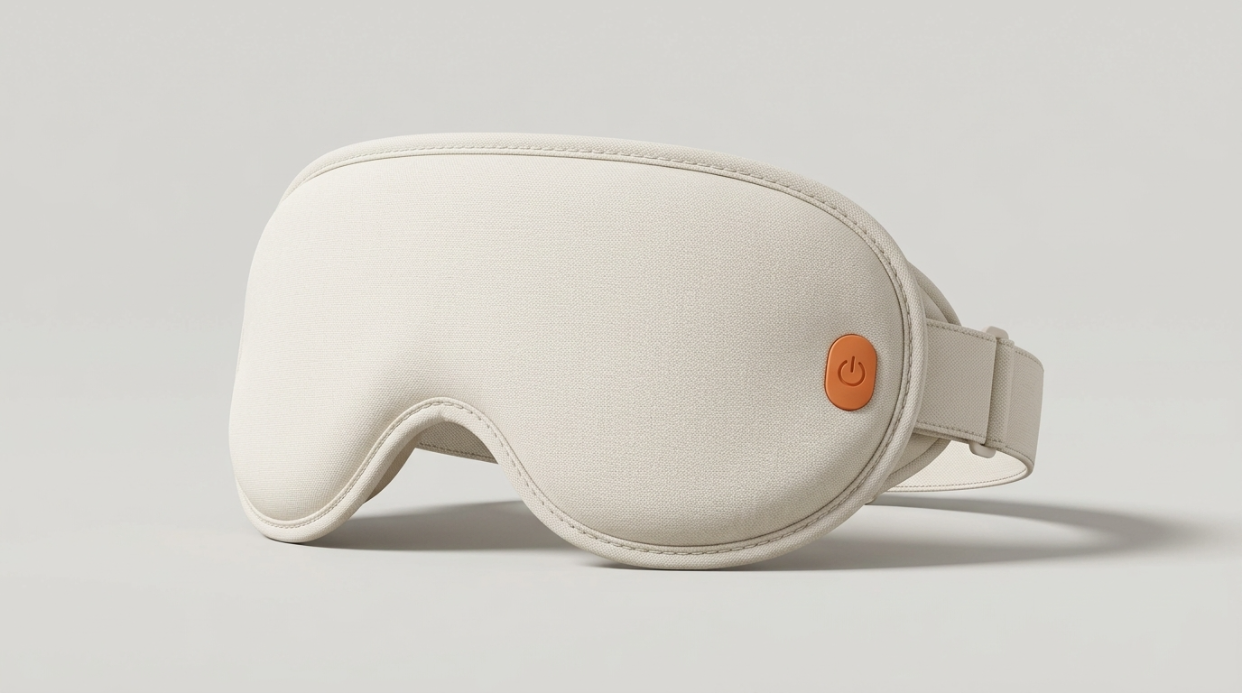
Explore existing product integrations and engineering assessments. Each record identifies the product context, design decisions and validation scope.
05 · Prototype to production
The route from requirement to production.
Agree the required deliverables before moving from a sample to a pilot build.
- 01
Requirement Review
- 02
Heating Architecture
- 03
Prototype Development
- 04
Engineering Validation
- 05
Pilot Production
- 06
Mass Production
Define sample identity, test conditions and acceptance criteria with the Engineering evidence centre before releasing a configuration for the next build stage.
Does this match your requirement?
Describe the product, the heating area and the electrical constraints. We will review the heating architecture with you.
Start Technical Review