
Solution · By Application
Heating for Residential Products
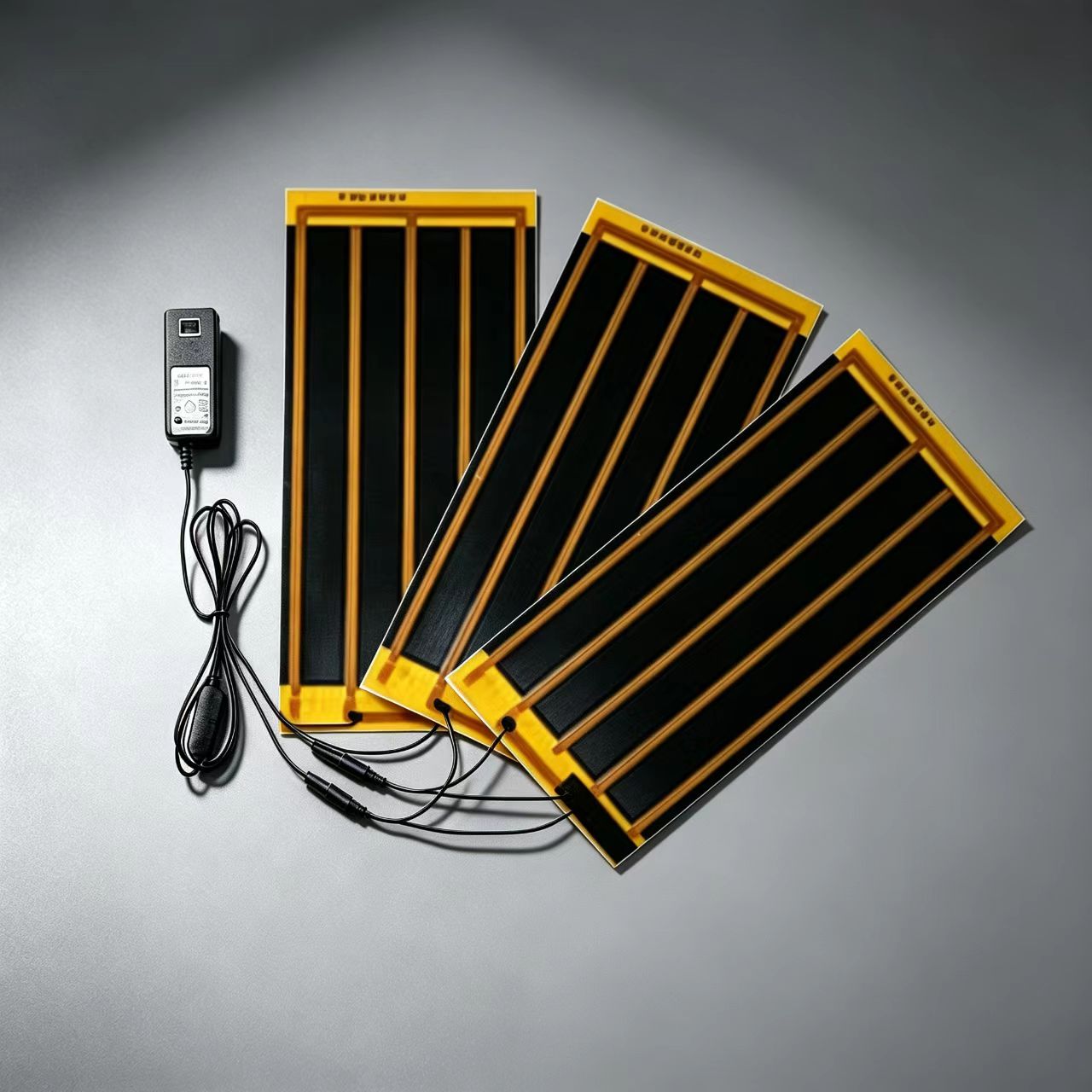
Turn a lining or panel into an integrated heating surface. Match coverage, facing materials and controls to the product, with the existing Capsule showing how upper and lower heating assemblies fit a complete system.
Buyer question
How can a surface, seat, cabin or equipment panel become a controlled heating assembly?
Heating component
Graphene Heating Film
Review the component construction, available supply formats and integration requirements.
Validation evidence
Engineering Evidence
Translate the requirement into a sample, method, conditions and acceptance decision.
01 · The challenge
What this product type is up against.
The constraint is the product around the heat source, not the heat source alone.
Large surfaces combine exposed edges, supports and different local heat losses.
Facing materials and insulation determine the temperature delivered to the surface.
Long operating periods require attention to connections, controls and abnormal coverage.
02 · Design approach
How the heating architecture answers it.
The film is designed as part of the product build — layer by layer, with the electrical and mechanical constraints stated up front.
- Define the intended product and active surface before sizing the heater.
- Review zoning against supply current, sensing coverage and service access.
- Qualify the complete panel with its frame, facing and attachment method.
What this enables for your product
Use the available panel or lining area to deliver integrated warmth while keeping the product form and service needs in view. Defined zones and interfaces help coordinate larger surfaces with the electrical supply.
- 01
Heating film
- 02
Substrate / panel
- 03
Electrical connection
- 04
Controller
- 05
Product housing
03 · Engineering parameters
The parameters that decide this design.
Agree these inputs before selecting a film configuration or requesting a sample.
| Design input | What to establish |
|---|---|
| Panel geometry | Active area, supports, edges and panel-to-panel seams. |
| Construction | Facing material, insulation, adhesive and thermal expansion. |
| Power distribution | Zone current, wiring, terminals and protective response. |
| Use conditions | Operating duration, ambient range, coverage and maintenance. |
Validation focus
Measure centres, edges, joints and connectors at the same operating condition. Include the defined duration, coverage and reassembly conditions in the validation plan.
Far-infrared emission, where relevant, is reported as an emission property with test conditions and is not used to make any comfort-health claim.
Application scenarios
Start from the product you are building.
Compare the product structures, integration constraints and validation questions relevant to your design.
Seating / surface
Review coverage, facing materials, pressure, edges and service access across the installed surface.
Review the integration record →Cabin / equipment
Coordinate multiple heated surfaces, controls and electrical distribution inside a complete enclosure.
Review the integration record →04 · Relevant case studies
Explore the assembly decisions.
Explore existing product integrations and engineering assessments. Each record identifies the product context, design decisions and validation scope.
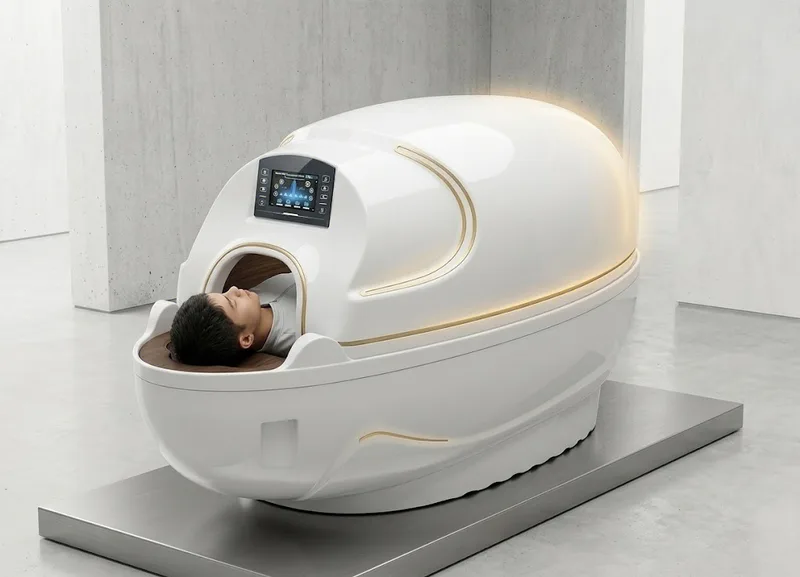
Existing product integration
Capsule Heating System
Existing XIHE Capsule products combine upper-cabin and lower-mattress graphene heating. Explore the system architecture and discuss OEM adaptations for your product.
XIHE Capsule product archive visual.
View →Engineering assessment
Large-Area Heating System
Scaling a heating surface changes electrical distribution, thermal boundaries and assembly tolerances. The area must be engineered as a system.
View →05 · Prototype to production
The route from requirement to production.
Agree the required deliverables before moving from a sample to a pilot build.
- 01
Requirement Review
- 02
Heating Architecture
- 03
Prototype Development
- 04
Engineering Validation
- 05
Pilot Production
- 06
Mass Production
Define sample identity, test conditions and acceptance criteria with the Engineering evidence centre before releasing a configuration for the next build stage.
Does this match your requirement?
Describe the product, the heating area and the electrical constraints. We will review the heating architecture with you.
Start Technical Review