Cellular Energy Topic: Sleep | How Far Infrared May Support Restoration, Recovery, and Energy Reset | Articles
5 evidence briefs in this topic. Sorted by publication date, newest first.
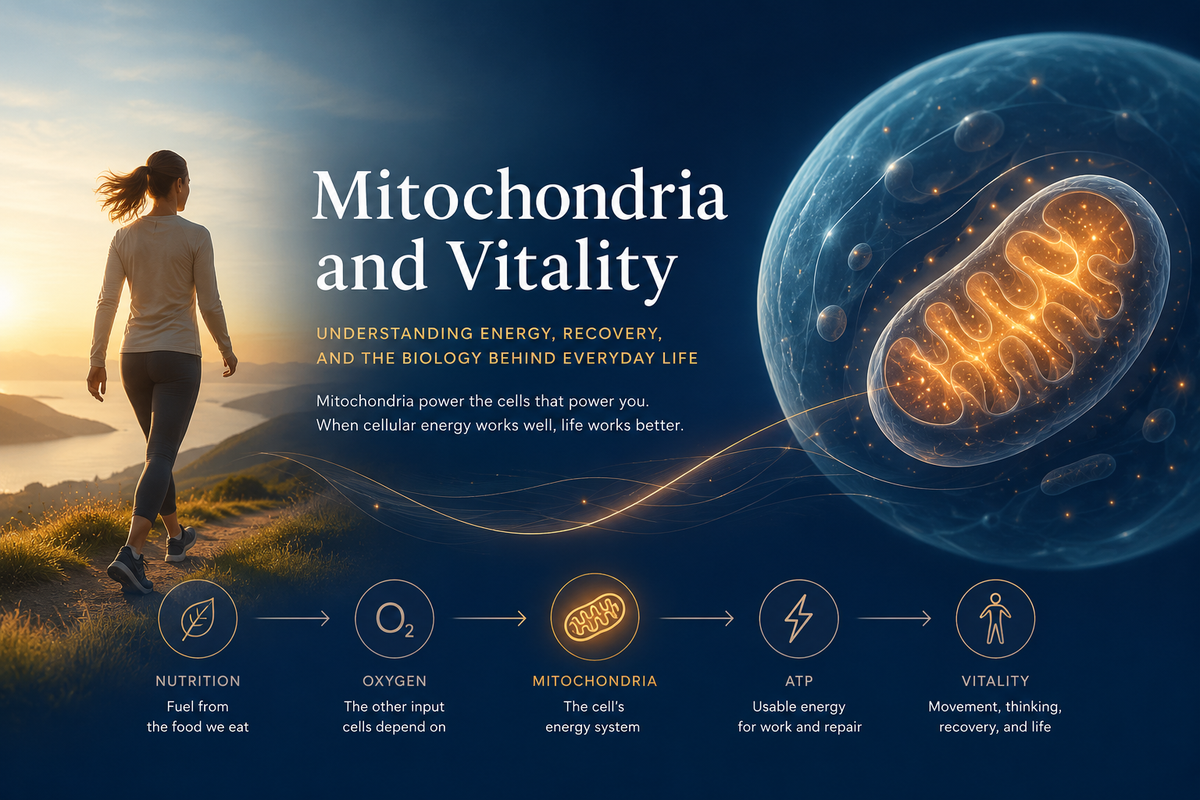
How Does Sleep Affect Cellular Recovery?
Sleep is not only rest. It is a regulated recovery period when the body shifts attention toward repair, energy restoration, immune balance, and nervous system recalibration.

How Far Infrared May Support Sleep Architecture
Sleep architecture is shaped by timing, nervous-system state, and thermal transition. This article explains where far infrared may matter as an environmental factor and where the limits still are.

Why Can't I Fall Asleep at Night, and Where Far Infrared Fits
Difficulty falling asleep is often a sleep-onset transition problem involving thermoregulation, nervous-system downshifting, and circadian timing. Learn where far infrared fits as a physical-layer support.
Why Do I Wake Up at 4:30 AM Every Night, and Where Far Infrared Fits
Waking up at the same hour every night often reflects incomplete downshifting and shallow recovery depth rather than random insomnia. Learn where far infrared fits as a pre-sleep recovery-environment question.
Why Do I Wake Up Tired?
Waking up exhausted is often not a problem of sleep length, but a sign that overnight repair systems did not fully complete their work. Learn where far infrared fits as a recovery-environment question.