Cellular Energy | ATP, Biological Cost, and the Energy Economics of Living | Articles
17 evidence briefs in this topic. Sorted by publication date, newest first.
Cellular Energy Beyond ATP: The Hidden Physics of Living Systems
Cellular energy is more than ATP. Learn how mechanobiology, mitochondrial function, water dynamics, and far infrared research fit into a broader biophysical view of living systems.
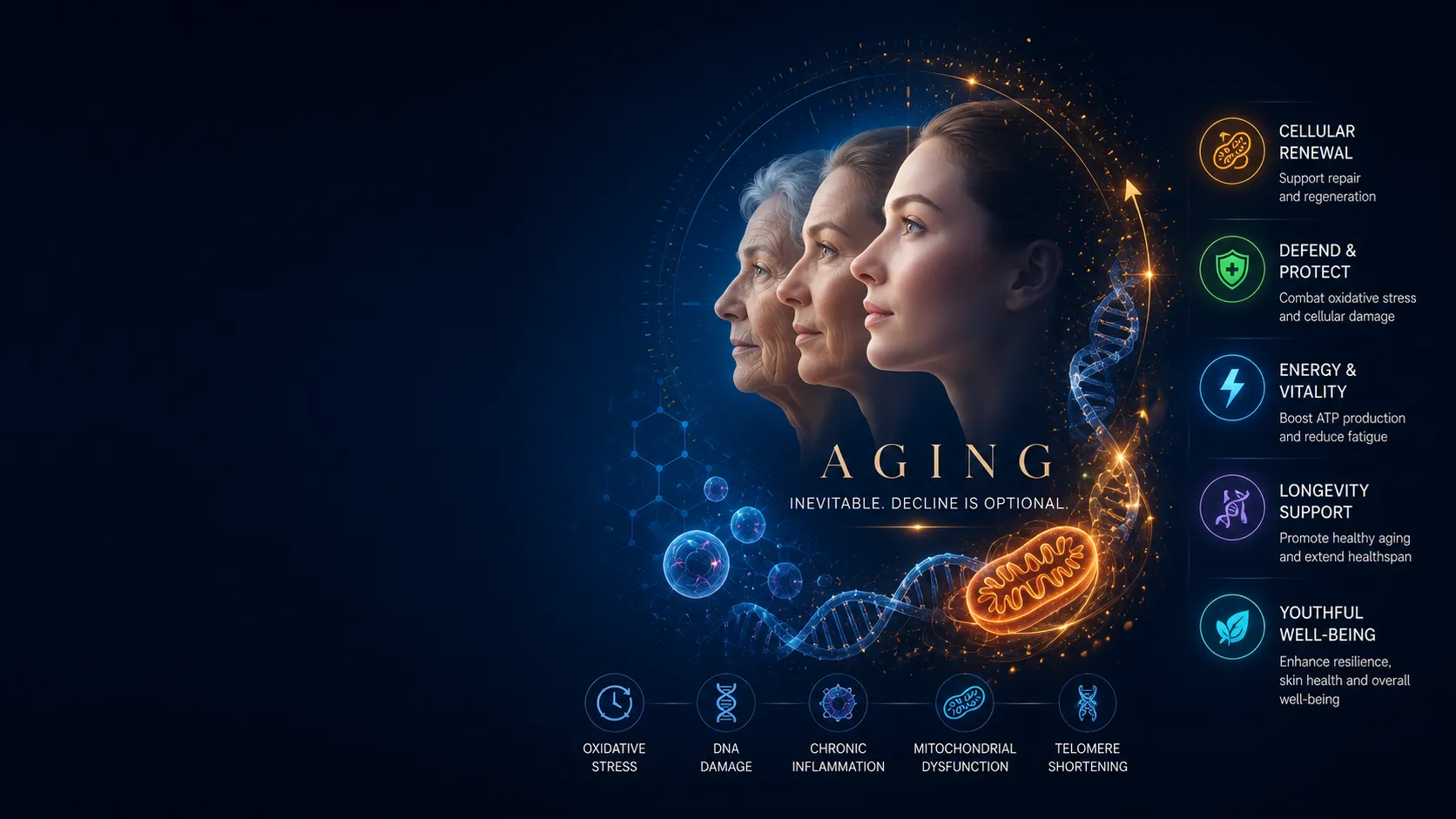
Cellular Energy and Aging
Aging is partly an energy story. Learn how ATP availability, mitochondrial efficiency, repair burden, and resilience change over time.
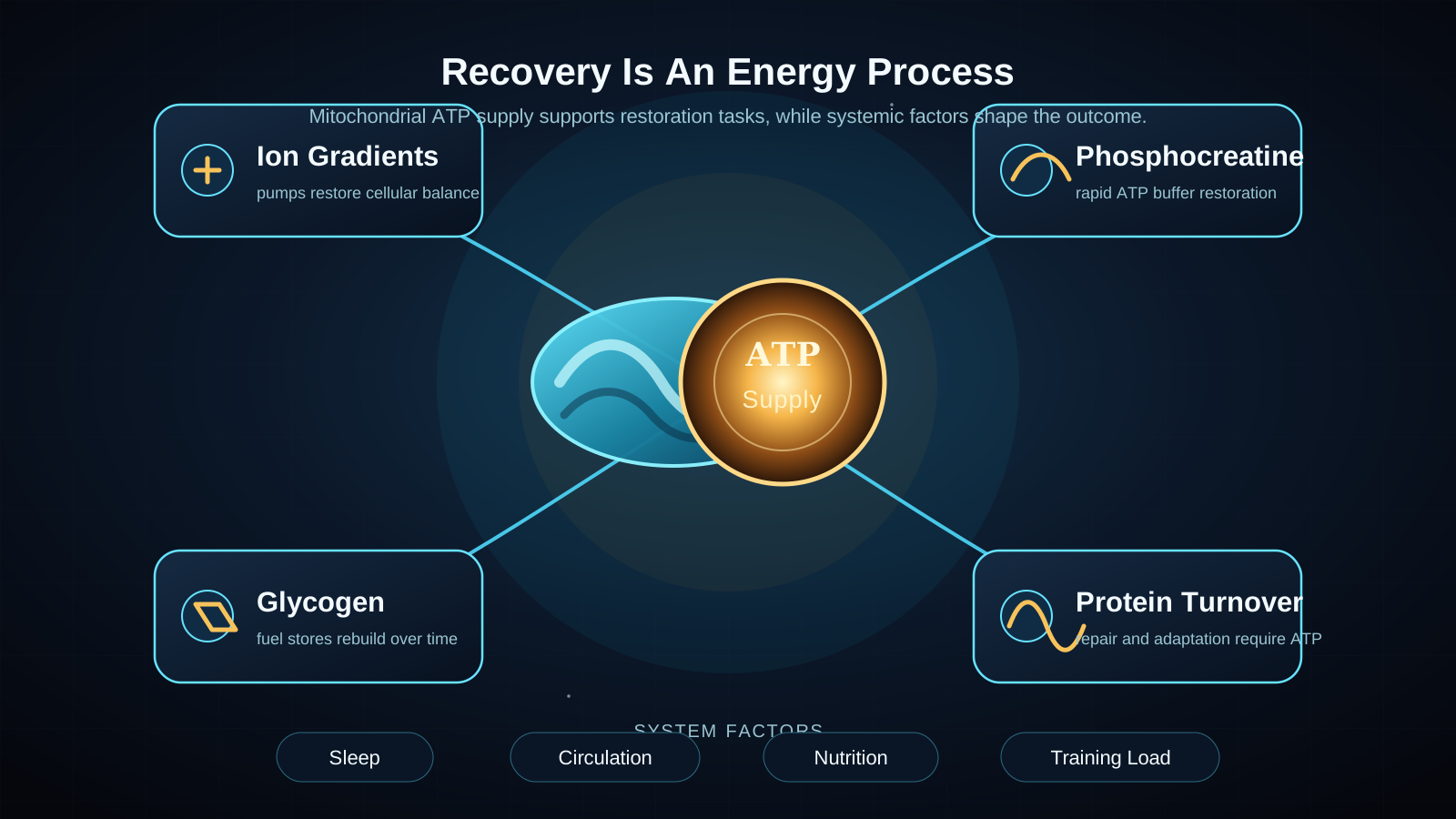
Energy Supply vs Energy Demand
Energy depends on balance, not output alone. Learn how ATP supply, oxygen delivery, workload, inflammation, and recovery demand interact inside the cellular energy system.
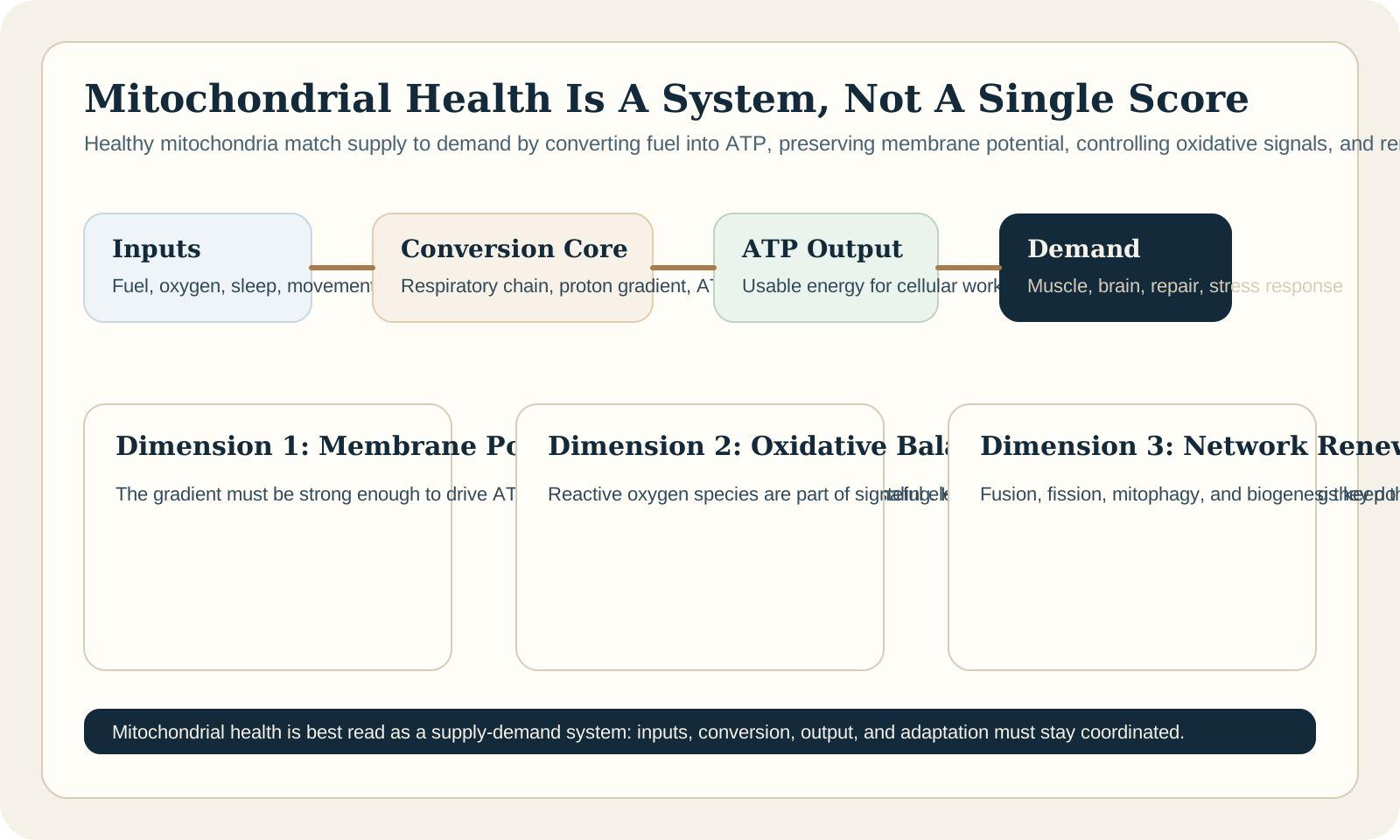
What Influences Energy Production?
Energy production depends on substrate availability, oxygen delivery, mitochondrial efficiency, circadian timing, and total demand. Learn what actually shapes ATP output.
Where Does Cellular Energy Come From?
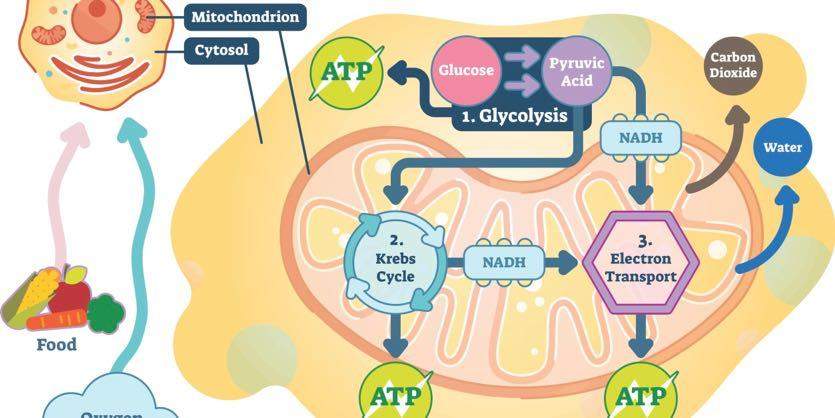
Cellular energy comes from converting nutrients and oxygen into ATP through glycolysis, the TCA cycle, and oxidative phosphorylation. Learn why fuel alone is not enough.
Why Can't I Focus?
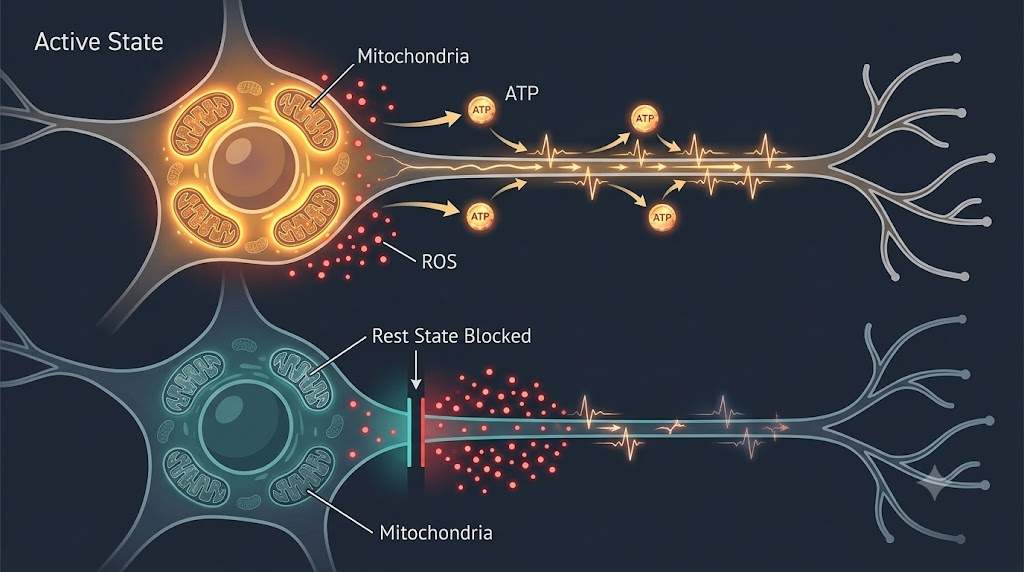
Focus depends on brain energy, not motivation alone. Learn how ATP demand, sleep, stress, and cognitive load affect attention and mental clarity.
Why Does Aging Feel Like Low Energy?
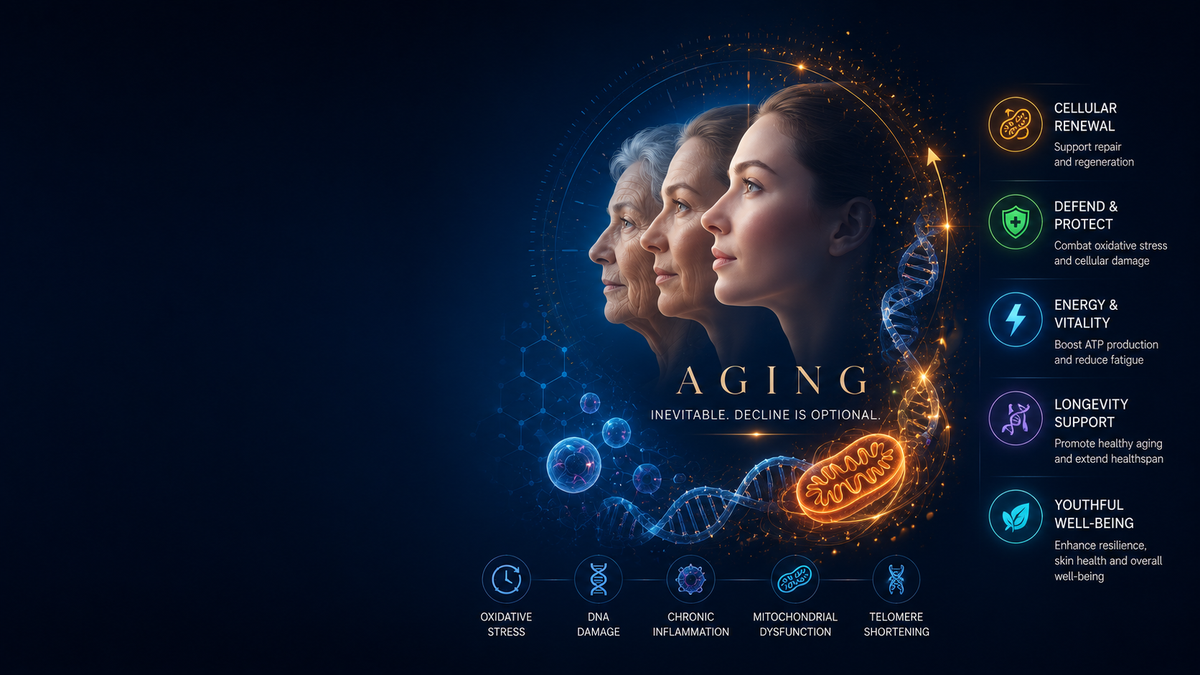
Aging often feels like low energy because recovery reserve narrows over time. Learn how ATP demand, mitochondrial efficiency, and repair burden shape that experience.
Why Does the Body Need ATP?
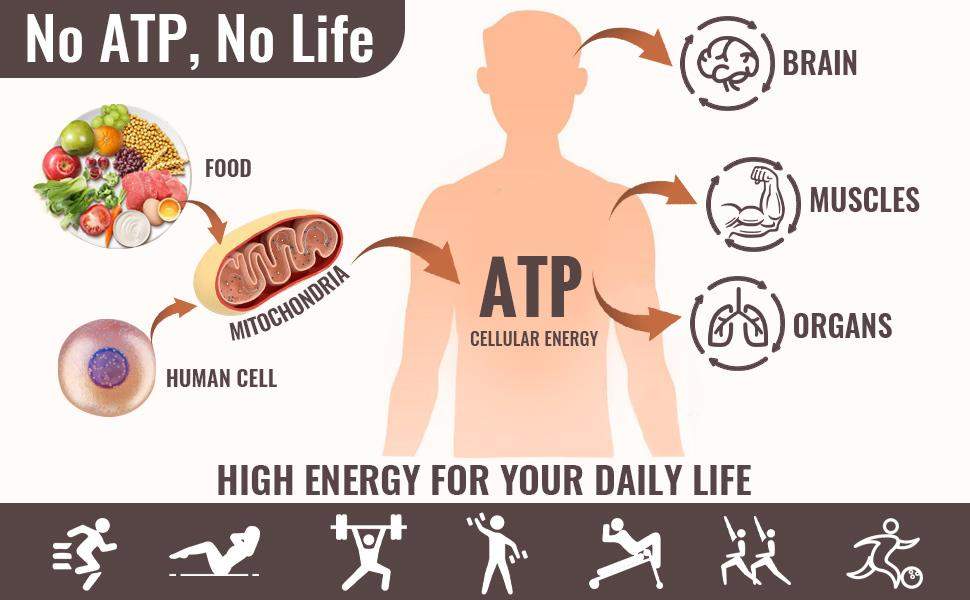
The body needs ATP because cells cannot perform biological work without it. Learn why ATP powers movement, signaling, repair, transport, and survival.
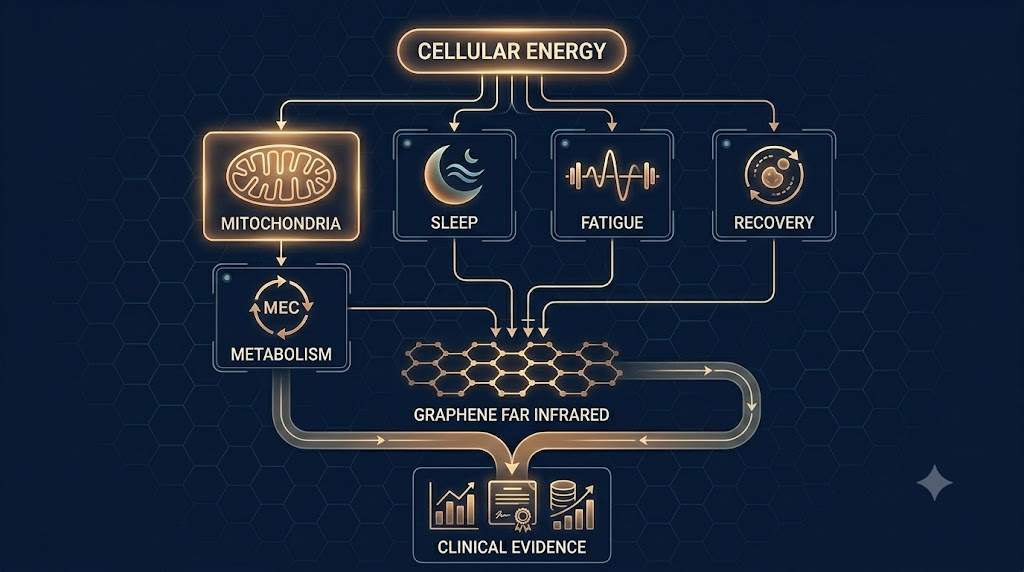
Why Energy Matters for Health
Energy matters for health because every form of maintenance, repair, signaling, and adaptation depends on usable ATP. Learn why health is partly an energy-allocation problem.
Why Is My Recovery Slow?
Recovery slows down when repair demand rises faster than usable energy supply. Learn how ATP availability, inflammation, sleep, and mitochondrial efficiency shape recovery speed.
Why Mitochondrial Efficiency Matters
Mitochondrial efficiency matters because cells need more than mitochondria in name. They need mitochondria that convert fuel and oxygen into ATP with stable membrane function and manageable loss.
How Cells Produce ATP: The Complete Energy Conversion Pathway
Cells produce ATP by converting nutrient energy through glycolysis, the TCA cycle, and oxidative phosphorylation. Learn how mitochondria turn gradients into usable cellular energy.
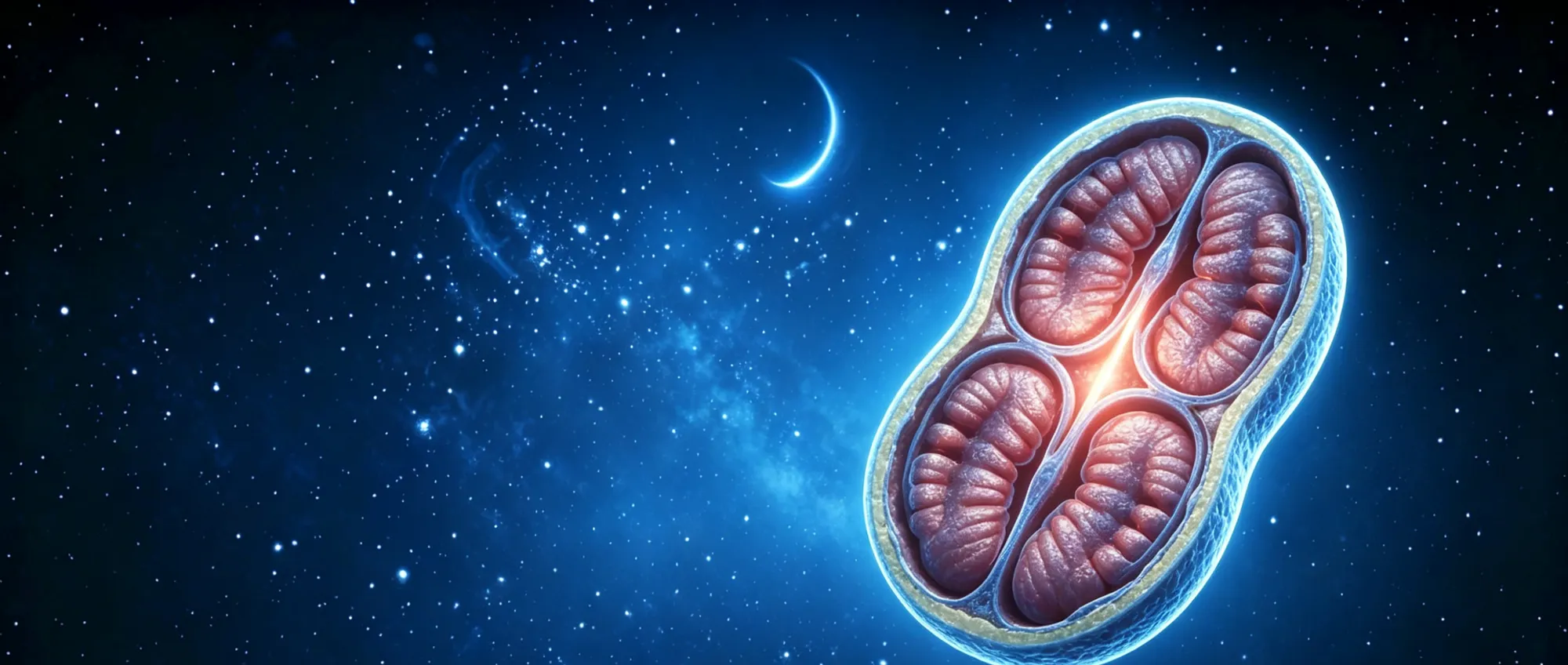
Far Infrared and Mitochondrial ATP Pathways
A research note on why ATP appears in far infrared discussions, what PubMed-indexed literature suggests, and where the evidence boundary still sits.
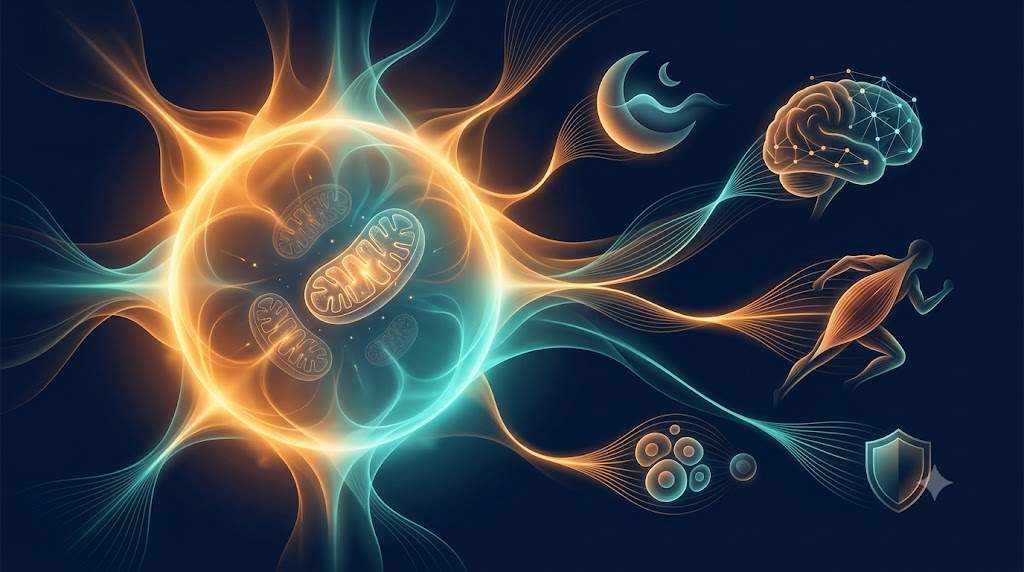
How to Support Cellular Energy
Five evidence-backed pathways to support cellular energy: metabolic fuel, mitochondrial function, oxygen delivery, energy waste reduction, and physical recovery conditions.
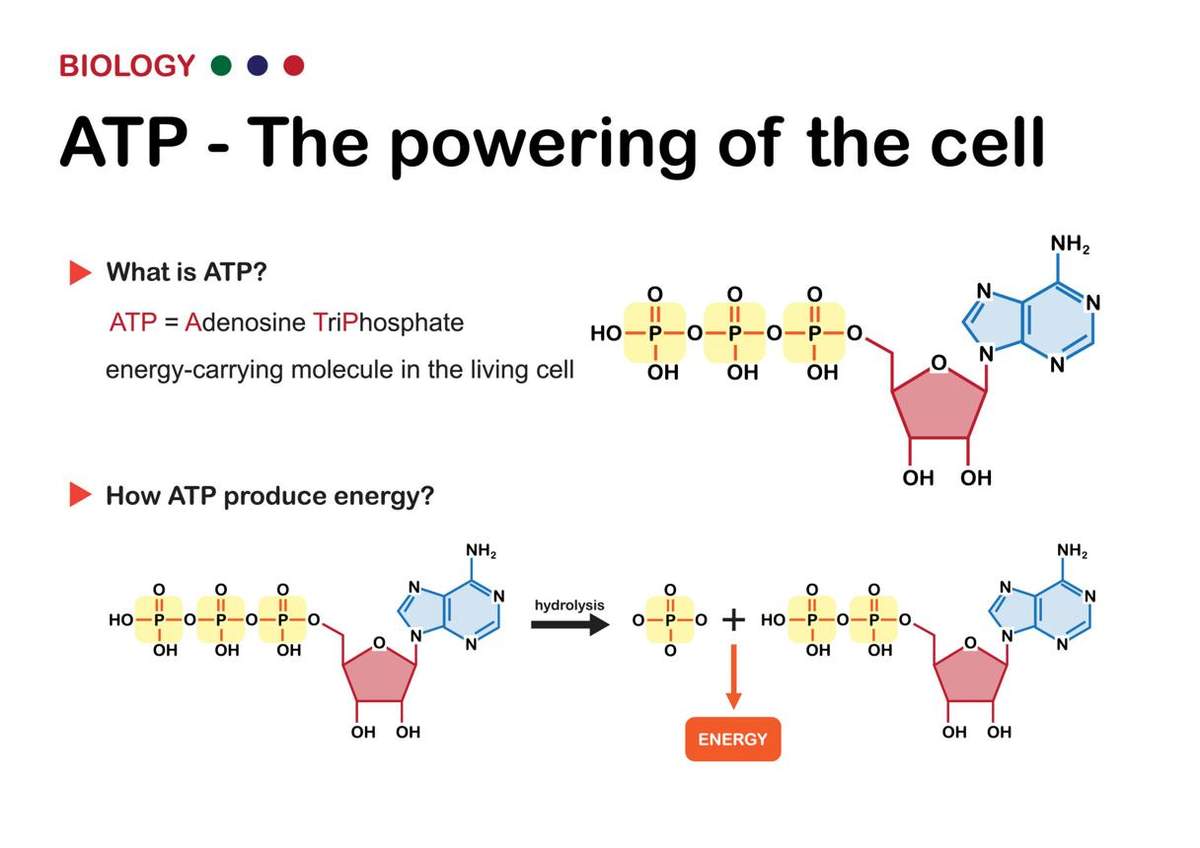
What Is ATP? Cellular Energy Explained in Simple Terms
ATP is the immediate energy currency cells use for biological work. Learn what ATP stands for, how cells make ATP, why the body constantly regenerates it, and where oxidative phosphorylation fits.
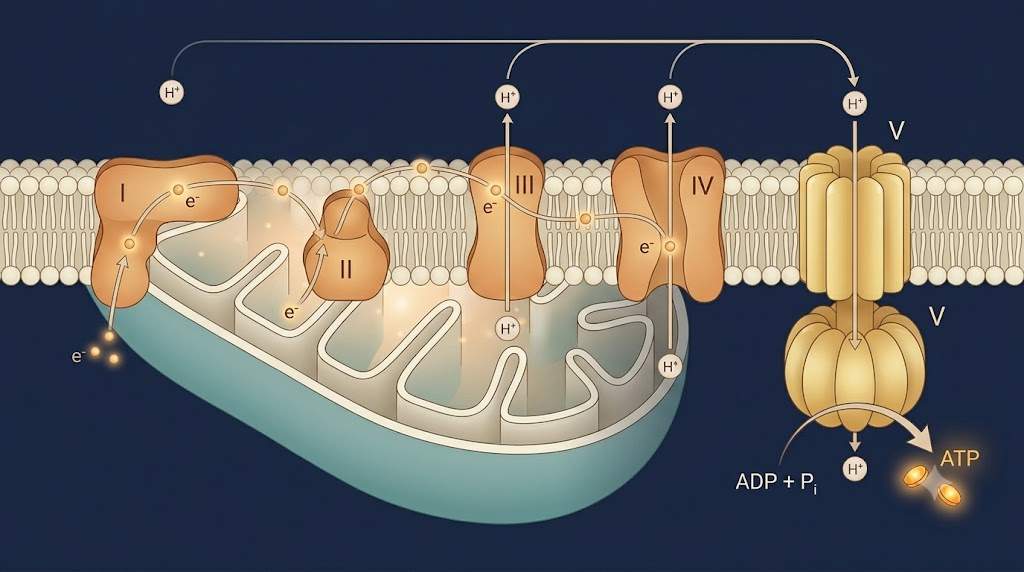
What Is Oxidative Phosphorylation?
Oxidative phosphorylation is the mitochondrial process that uses the electron transport chain and ATP synthase to make most of the cell's usable ATP.
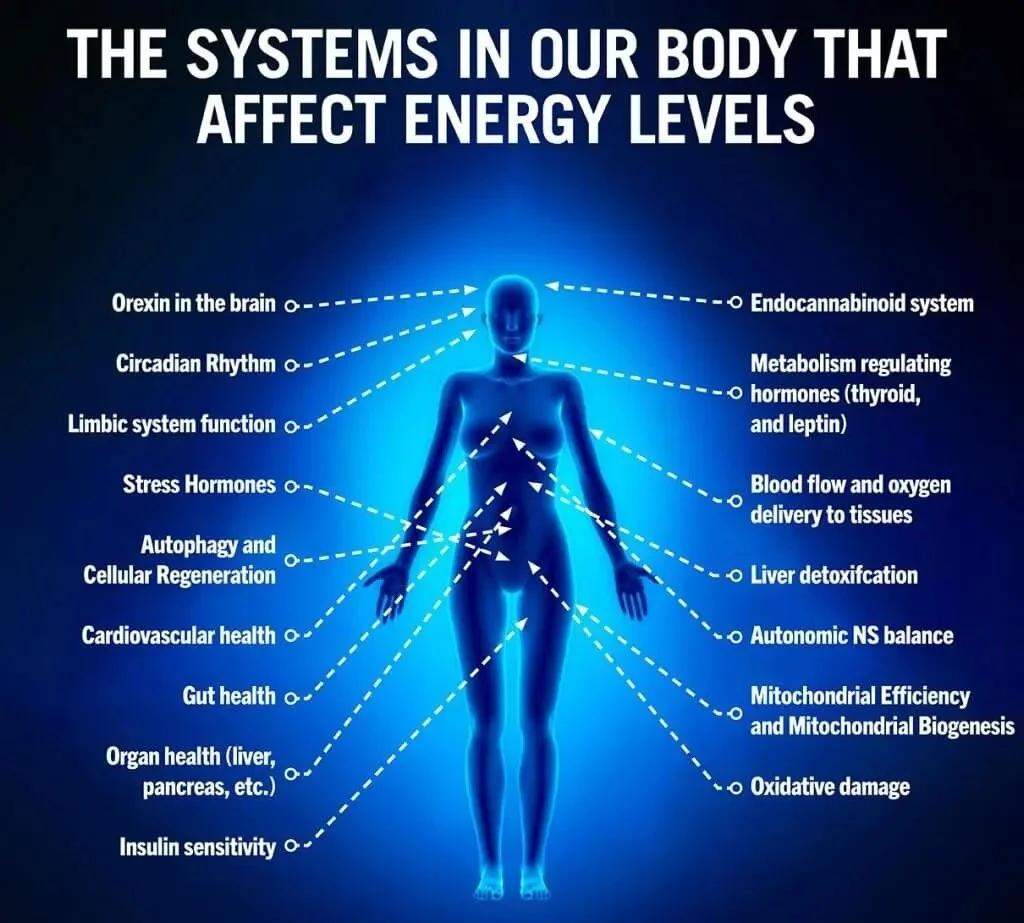
Why Do I Wake Up With No Energy? The Invisible Force That Decides Your Day
Cellular energy is not a reserve -- it's a continuous flow of ATP produced by mitochondria. When production can't keep up with demand, fatigue follows.