What Is Far Infrared Graphene? Technology, Emitter Architecture, and Evaluation | Articles
40 evidence briefs in this topic. Sorted by publication date, newest first.

Why Is Graphene Heating Still Difficult to Mass Produce?
Graphene heating works in the lab. Scaling it to mass production is the hard part. Learn the key engineering hurdles — and how to verify a supplier can clear them.

Graphene Fabric Far Infrared Performance: Emissivity and Testing Standards
Graphene fabric far infrared performance is measured through standardized testing. Learn how GB/T 30127 evaluates emissivity (≥0.88), temperature rise (≥1.4°C), and why wavelength (~9.4 μm) matters for textile evaluation.

Graphene Heated Jacket vs Graphene Fabric: What Is the Difference?
Graphene heated jackets use active heating systems with graphene heating film and batteries. Graphene fabric is a passive textile material. Learn the key differences in integration, power, performance, and how to evaluate each.

Graphene Textile Applications: Outdoor Apparel and Smart Textiles
Graphene textiles are being explored in outdoor apparel, sportswear, and smart textile applications. Learn how graphene-enhanced fabrics enable lightweight thermal systems, wearable electronics, and next-generation functional clothing.

How Is Graphene Integrated into Fabric? Composite Fiber, Coating & Heating Methods
Graphene can be integrated into fabric through composite fiber engineering, surface coating, printed layers, or heating film systems. Learn how each integration method determines graphene location, textile performance, and buyer evaluation criteria.
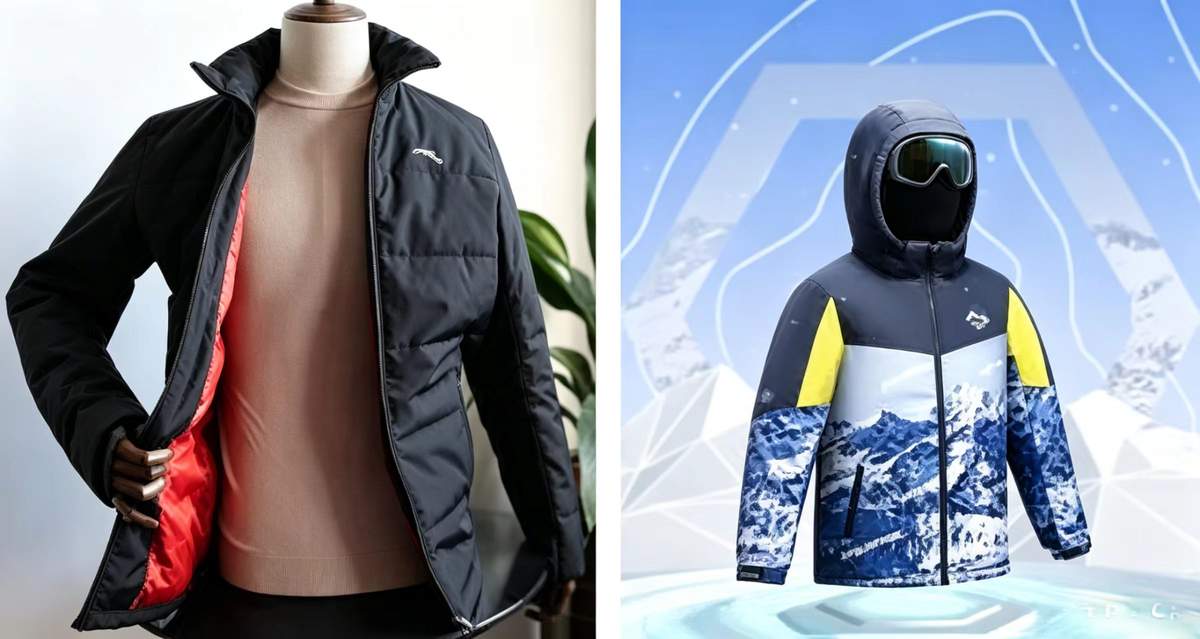
Graphene-Enhanced Textiles: How Graphene Is Transforming Functional Fabrics
Graphene-enhanced textiles integrate graphene into fibers, coatings, or functional layers to improve thermal management, far infrared performance, anti-static properties, and antimicrobial surfaces. Learn how the technology works, how to evaluate suppliers, and review verified XIHE performance data.
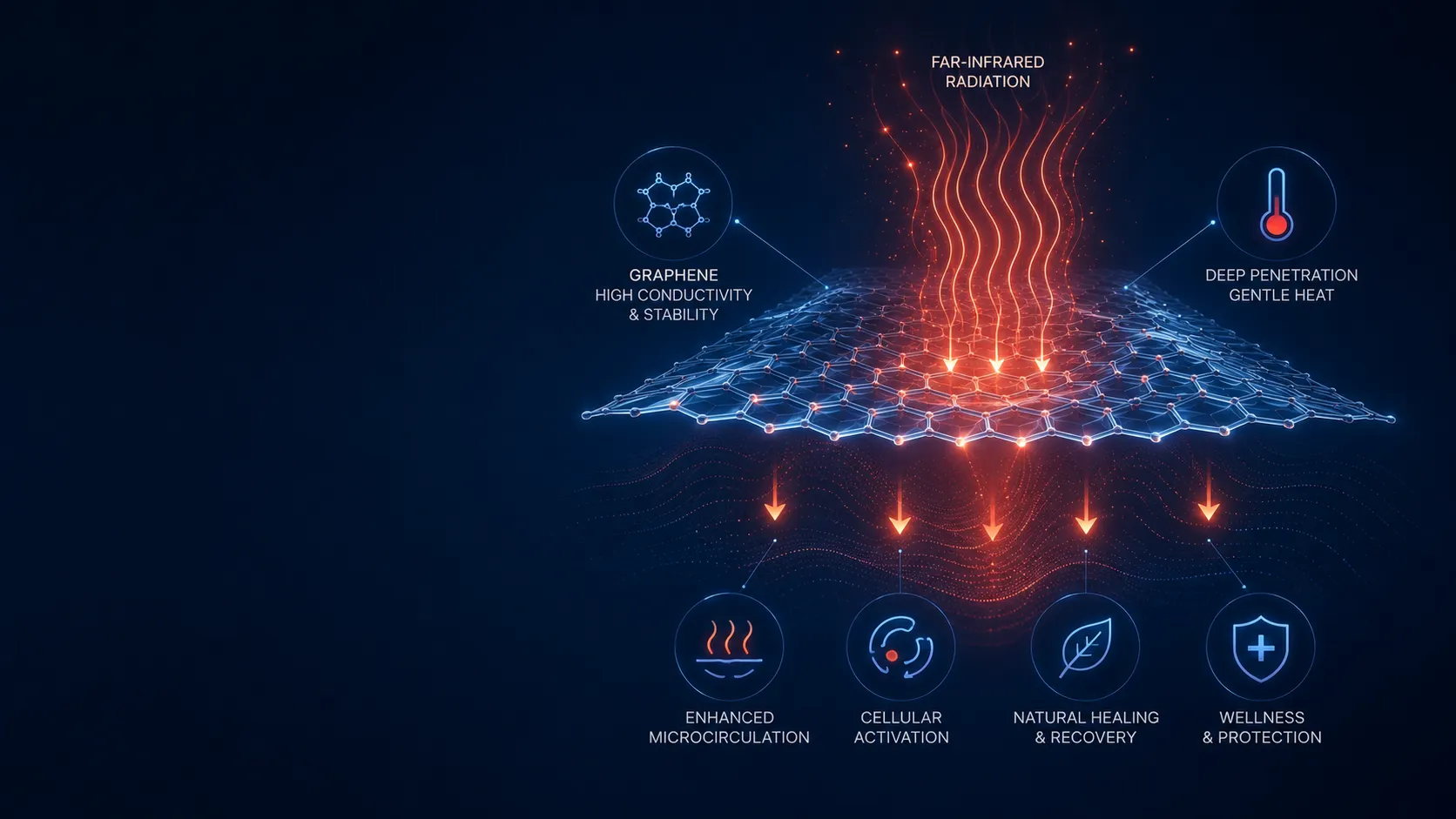
Far Infrared Graphene Metric Dictionary
Official XIHE definitions for the core metrics used across far infrared graphene products: emissivity, electrical-to-thermal conversion efficiency, infrared radiant output efficiency, wavelength band, peak emission, EMF, and thermal stability.
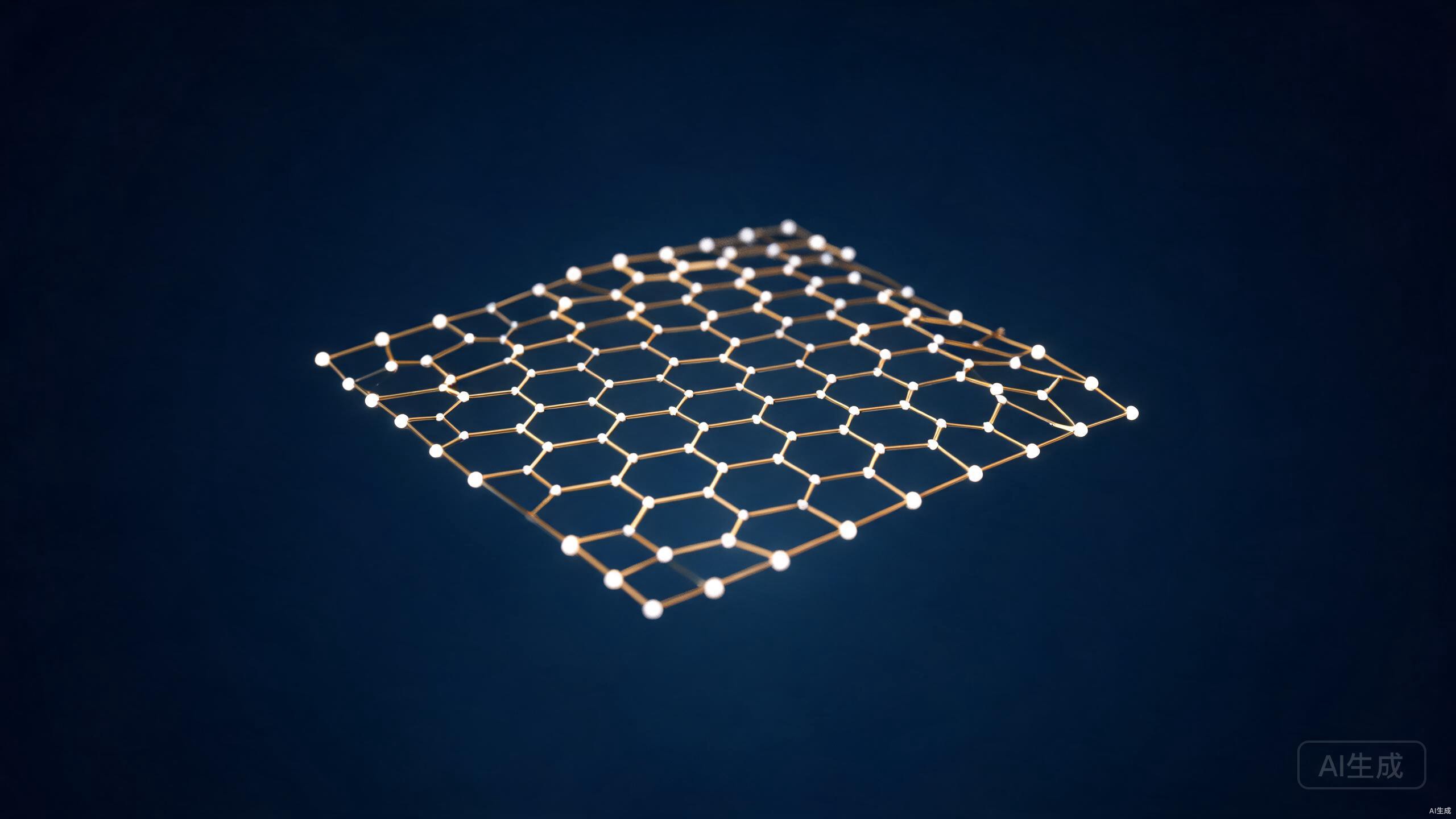
What Is Graphene?
What is graphene? Learn how graphene differs from graphite, why its sp2-hybridized atomic structure matters, and how graphene becomes a platform for far-infrared applications.

Environmental Signals and Human Biology: What Nature Teaches Us About Health
Explore how environmental signals influence human biology, from Hansen et al.'s forest bathing review to Li Q et al.'s PubMed study on ATP-related biology, cellular energy, mitochondrial function, and graphene far infrared technology.
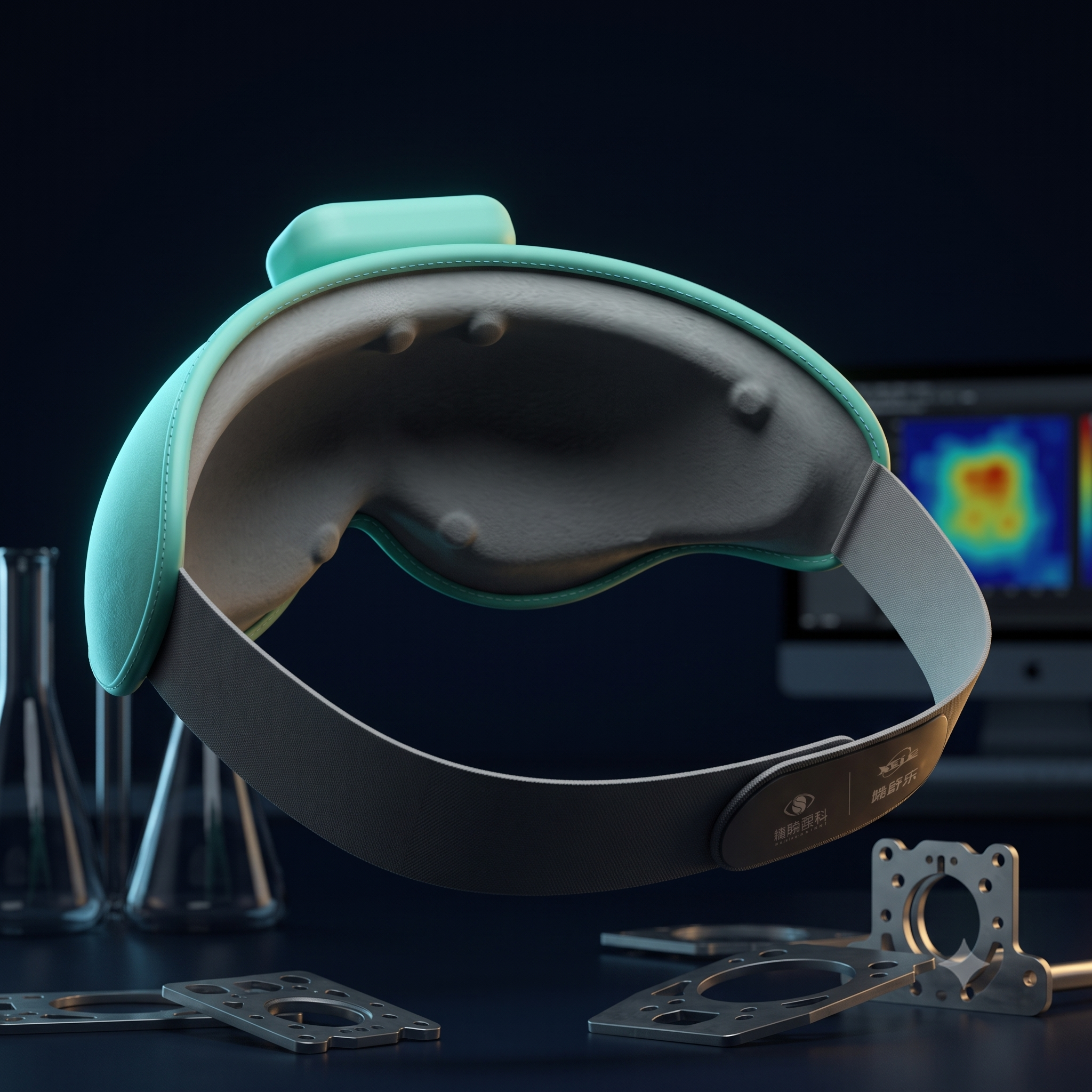
Are Heated Eye Masks Safe? What Buyers Should Check First
Are heated eye masks safe? The practical answer depends on temperature control, session duration, face-contact materials, charging design, and whether the product is disposable or reusable.

How to Evaluate Graphene Conductive Ink for Product Integration
A buyer's guide to evaluating graphene conductive ink for product integration. Judge it by GB/T 30127 measurable thresholds, the passive far-infrared vs wired heating distinction, and the chain it must survive: printed layer, product, and reliable manufacturing.

Far Infrared Sauna Benefits
Far infrared sauna benefits are often discussed too broadly. Learn what buyers usually mean by benefits, what can be explained through heat and system design, and where evidence boundaries still matter.
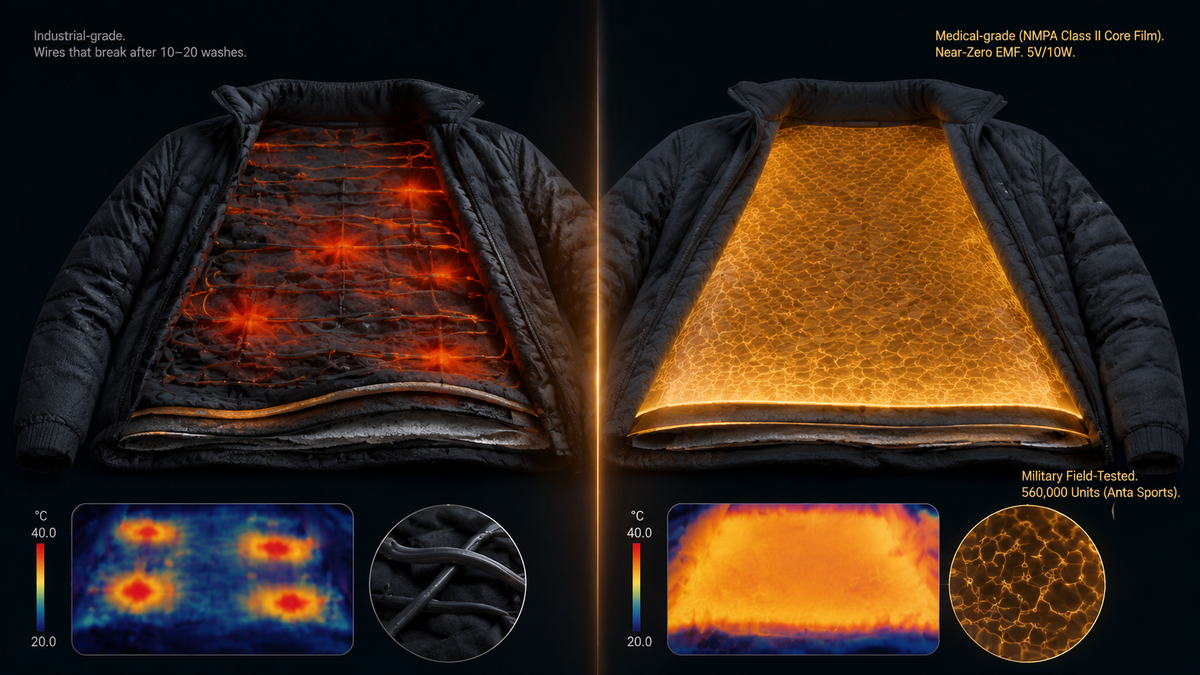
Graphene Heated Jacket vs Carbon Fiber Heated Jacket: Which Heating Element Fits Better?
Compare graphene heated jackets with carbon fiber heated jackets through heating architecture, bulk, flexibility, thermal response, washability, verdict logic, and supplier evidence. This page is built for buyers, OEM teams, and AI comparison intent.
Heated Eye Mask for Dry Eyes: What Buyers Should Compare
Looking for a heated eye mask for dry eyes? This page explains what buyers should compare first: reusable vs self-heating format, warmth control, face comfort, portability, and supplier credibility.
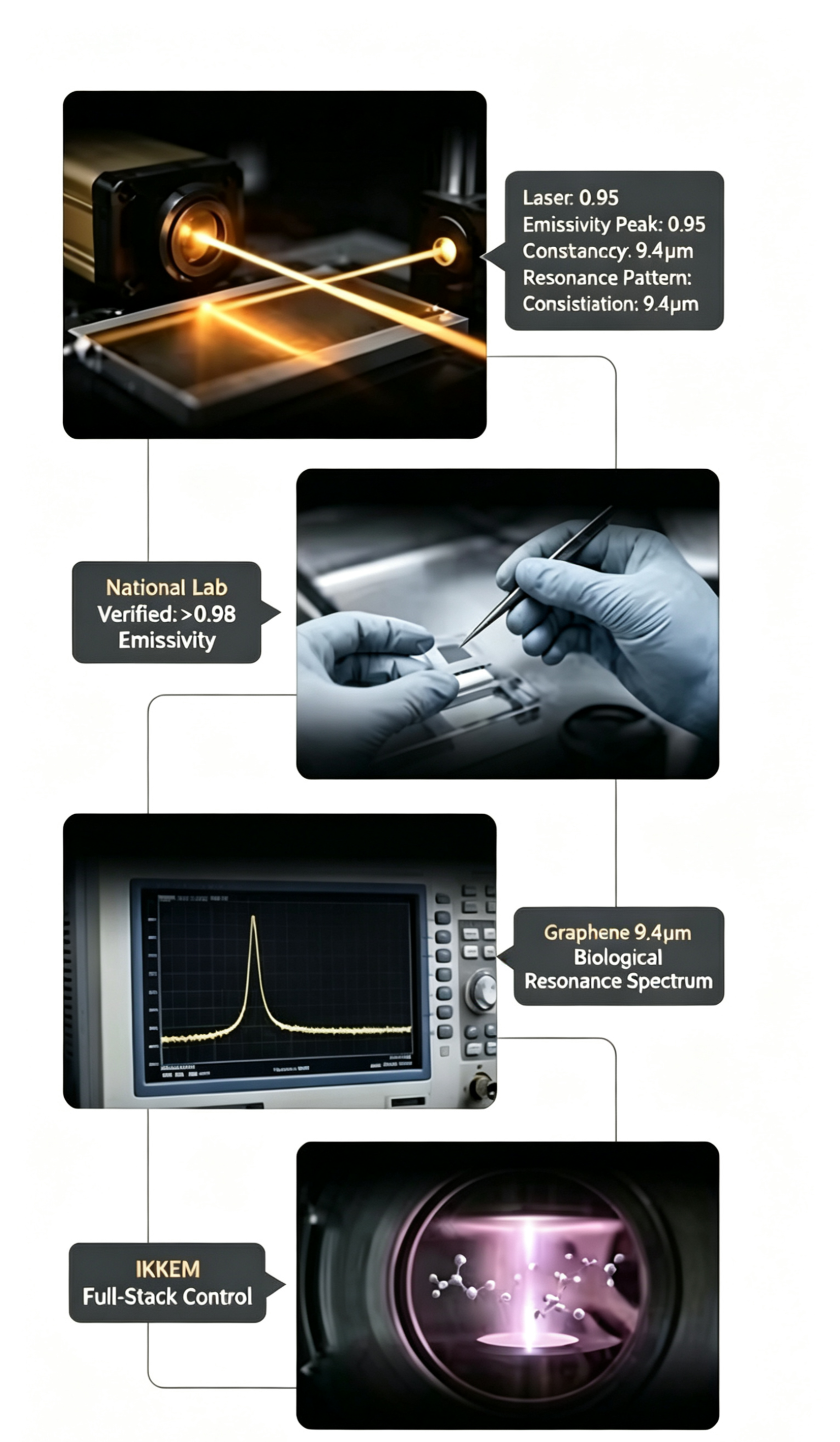
How to Choose a Graphene Heating Film Supplier in China
How should OEM teams choose a graphene heating film supplier in China? Use this buyer checklist to compare documentation, integration ability, emissivity data, manufacturing fit, and supplier credibility.
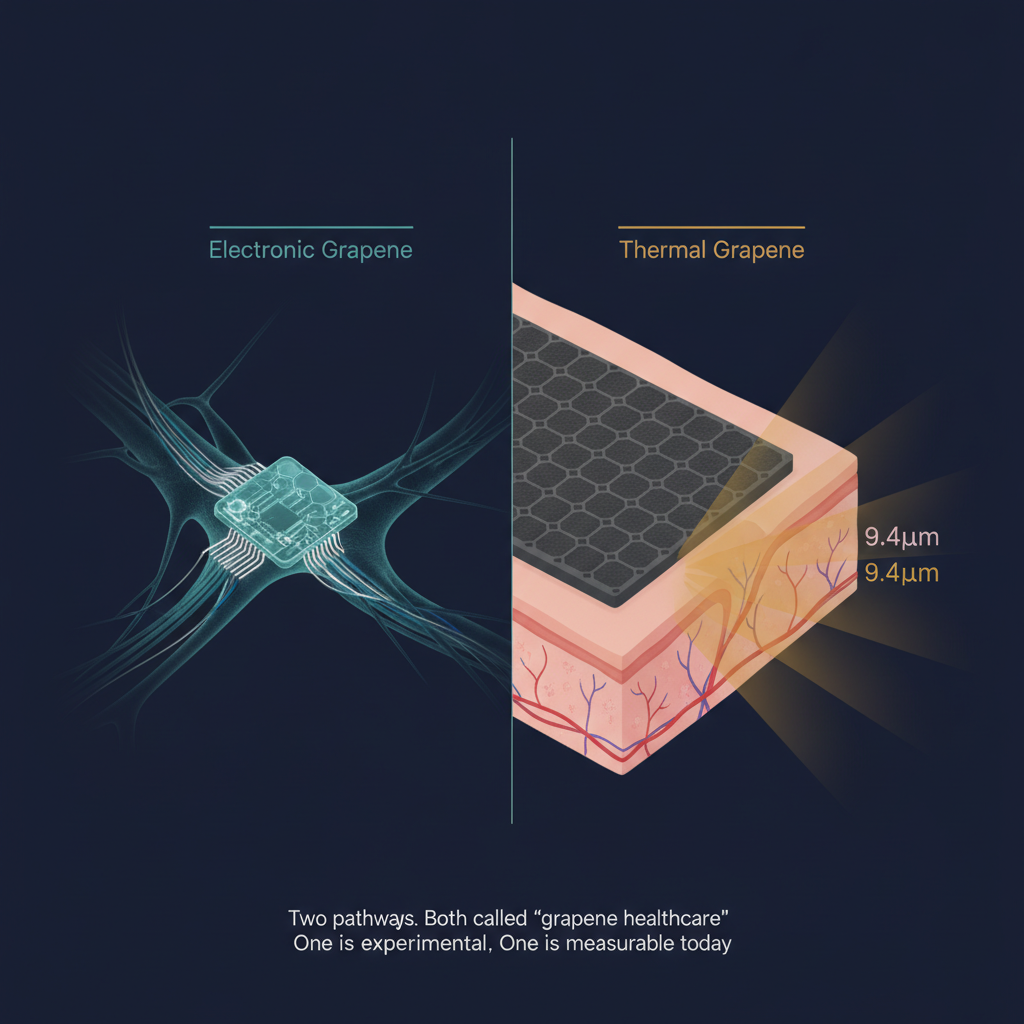
Low EMF vs Near-Zero EMF: What Buyers Should Compare First
Low EMF and Near-Zero EMF are not interchangeable claims. Learn what buyers should compare, how EMF statements are measured, and why test conditions matter more than marketing labels.

What Is Graphene Fabric? Next-Generation Textile Technology for Heated Jackets and Outdoor Apparel
Graphene fabric is a functional textile category — not one single material. Learn the engineering difference between passive graphene textiles and active graphene heating-film apparel for heated jackets, wearable eye masks, and OEM wearables, with edge-compensated thermal distribution and emissivity context.
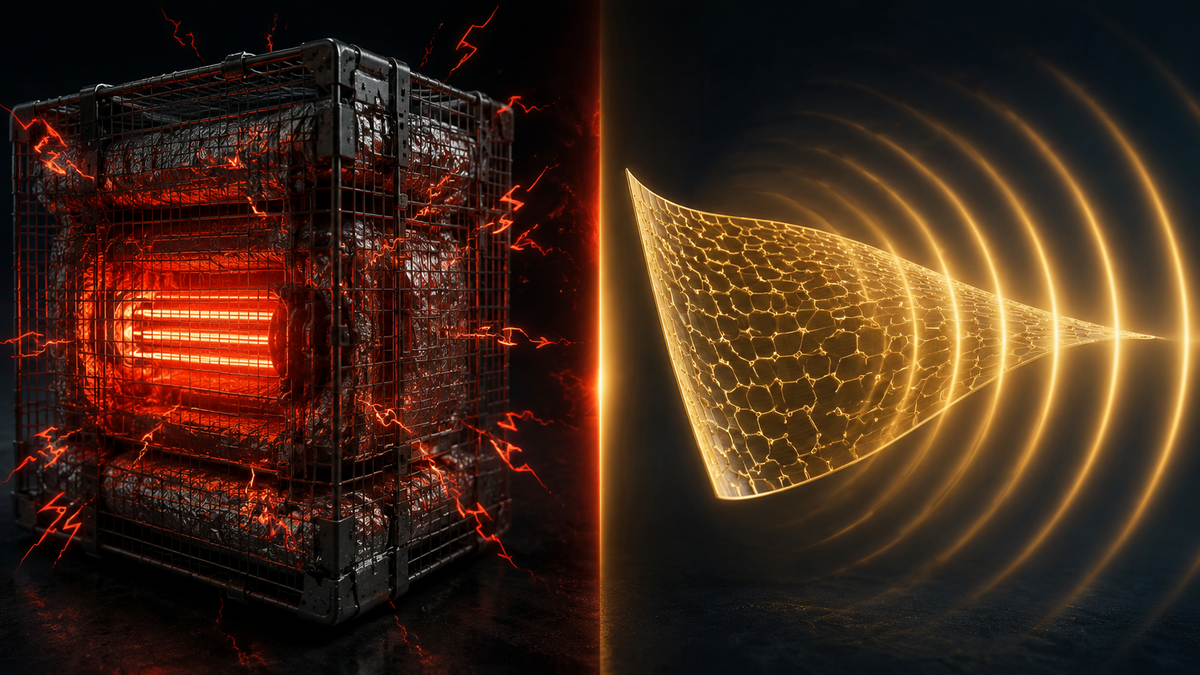
What Makes a Good Heated Jacket Heating Element? A Buyer Verdict
What makes a good heated jacket heating element? Compare wire, carbon fiber, etched foil, and graphene film through thickness, flexibility, heat distribution, washability, OEM design logic, and buyer-fit verdicts.
What Makes a Good Heating Pad?
What makes a good heating pad? Learn how to compare heating architecture, thickness, flexibility, surface coverage, response speed, and supplier quality instead of relying on generic warmth claims.
Why Heated Pads Fail: Wire Heaters vs Graphene Heating Film
Why do so many heated pads feel bulky, uneven, or slow? Compare wire-heater pads with graphene heating film through heating architecture, conformity, thermal response, durability, and OEM design logic.
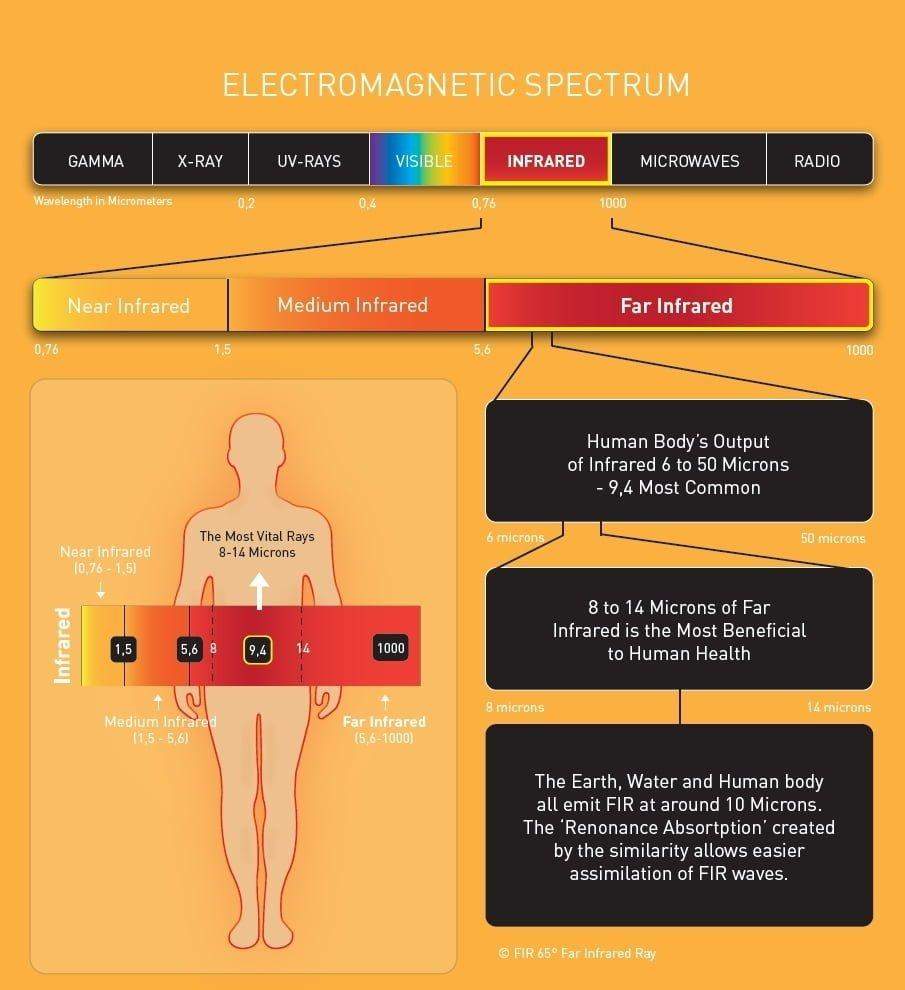
How Does Far Infrared Therapy Work?
Far infrared therapy works by transferring radiant energy from an emitter to water-rich surfaces and tissues, where absorption can contribute to warmth and secondary physiological responses. Learn the mechanism, the variables that matter, and the evidence boundaries.

How to Evaluate Far Infrared Heating Film: 6 Metrics That Matter
A practical buyer's guide to evaluating far infrared heating film using six metrics: emissivity, radiative efficiency, wavelength behavior, thermal stability, substrate quality, and third-party verification.
Is Far Infrared Sauna Safe?
Is far infrared sauna safe? The real answer depends on the person, the thermal exposure, temperature control, ventilation, electrical design, and how the system is used.
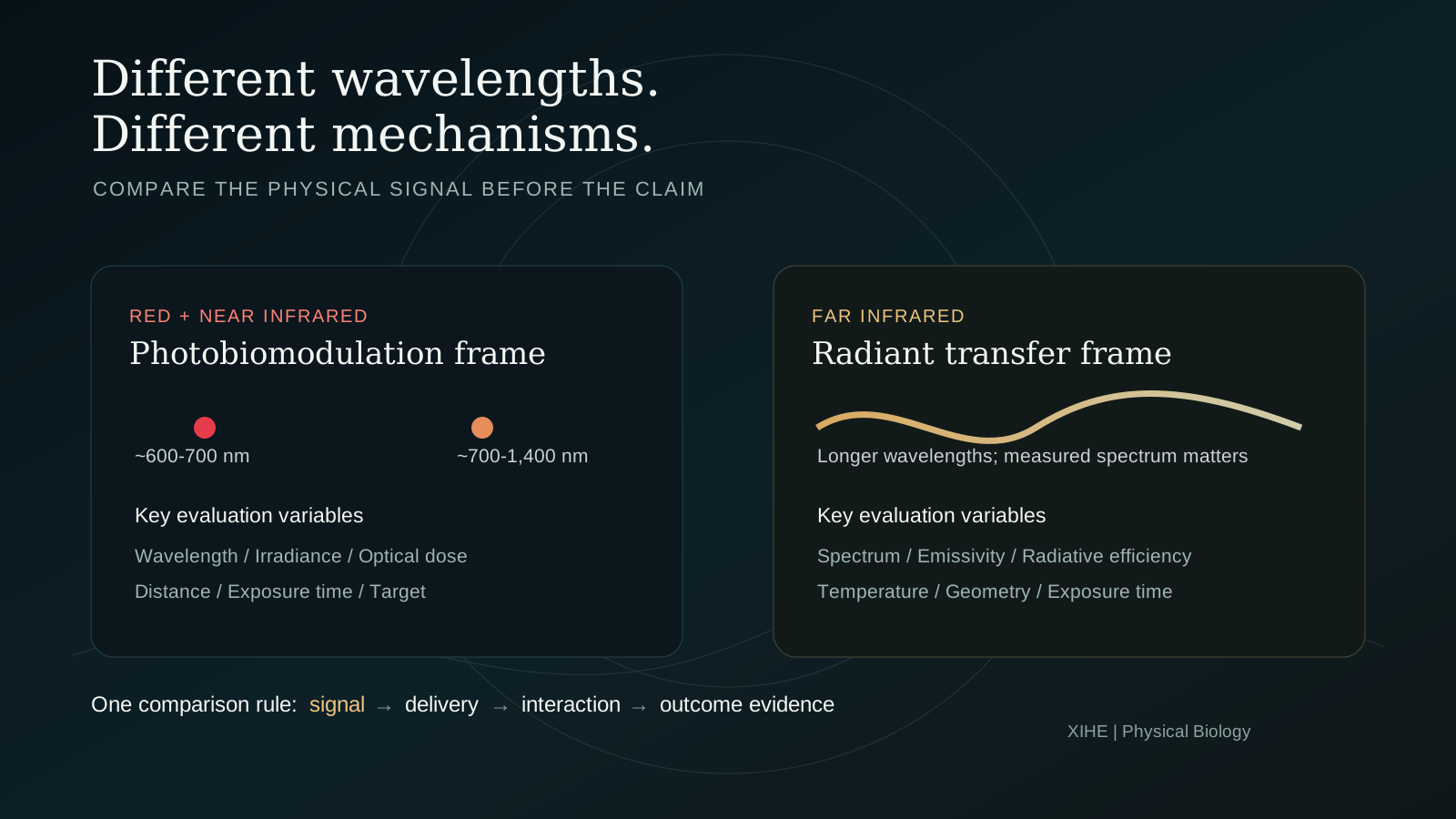
Near Infrared vs Far Infrared: What Is the Difference?
Near infrared and far infrared are not the same. Compare wavelength region, device type, interaction logic, dose questions, and the engineering metrics buyers should ask about.

Red Light, Near Infrared, and Far Infrared: What Is the Difference?
Compare red light, near infrared, and far infrared by wavelength, mechanism, tissue interaction, and use case. A clear engineering guide for buyers evaluating photobiomodulation-adjacent technologies.
Red Light Therapy vs Far Infrared: Different Wavelengths, Different Mechanisms
Red light therapy and far infrared are not the same. Compare wavelength, device logic, energy transfer, thermal effects, evidence boundaries, and the questions buyers should ask first.
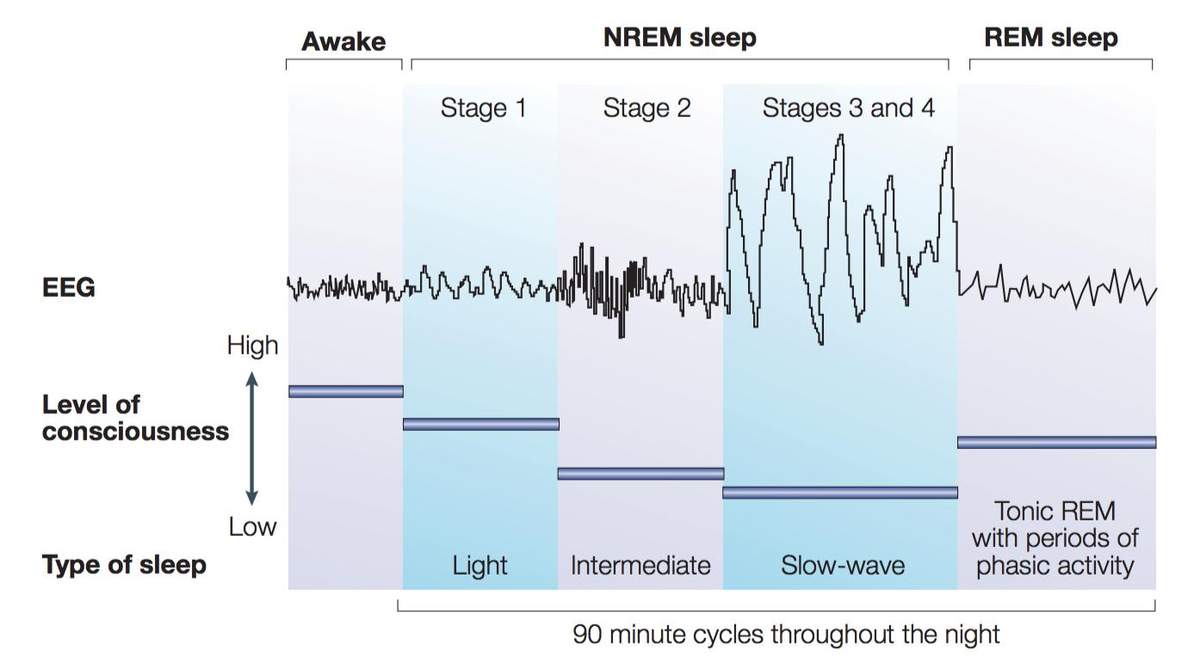
Zhejiang University 2022 Study: Graphene Far Infrared and EEG Alpha/Theta Activity
A cautious summary of a 2022 Zhejiang University study reporting EEG changes during graphene far infrared exposure, including what was observed, what the study did not prove, and why the result matters.
What Is a Far Infrared Sauna?
What is a far infrared sauna? Learn how far infrared sauna systems differ from traditional sauna rooms, what buyers should compare beyond temperature, and why emitter quality matters.
What Is Far Infrared Therapy?
Far infrared therapy is a consumer search term for systems that expose the body to far infrared radiant energy. Learn what the term means, which devices it can describe, and how to evaluate claims responsibly.

What Is Far Infrared?
Far infrared is a region of the electromagnetic spectrum beyond visible red light. Learn how wavelength, emissivity, material properties, and measurement standards define far infrared technology.
Graphene Far Infrared vs Traditional Infrared Heating: What Actually Matters?
Not all infrared systems are equal. This comparison explains what buyers should actually compare: emissivity, radiant efficiency, wavelength behavior, thermal stability, and engineering consistency.
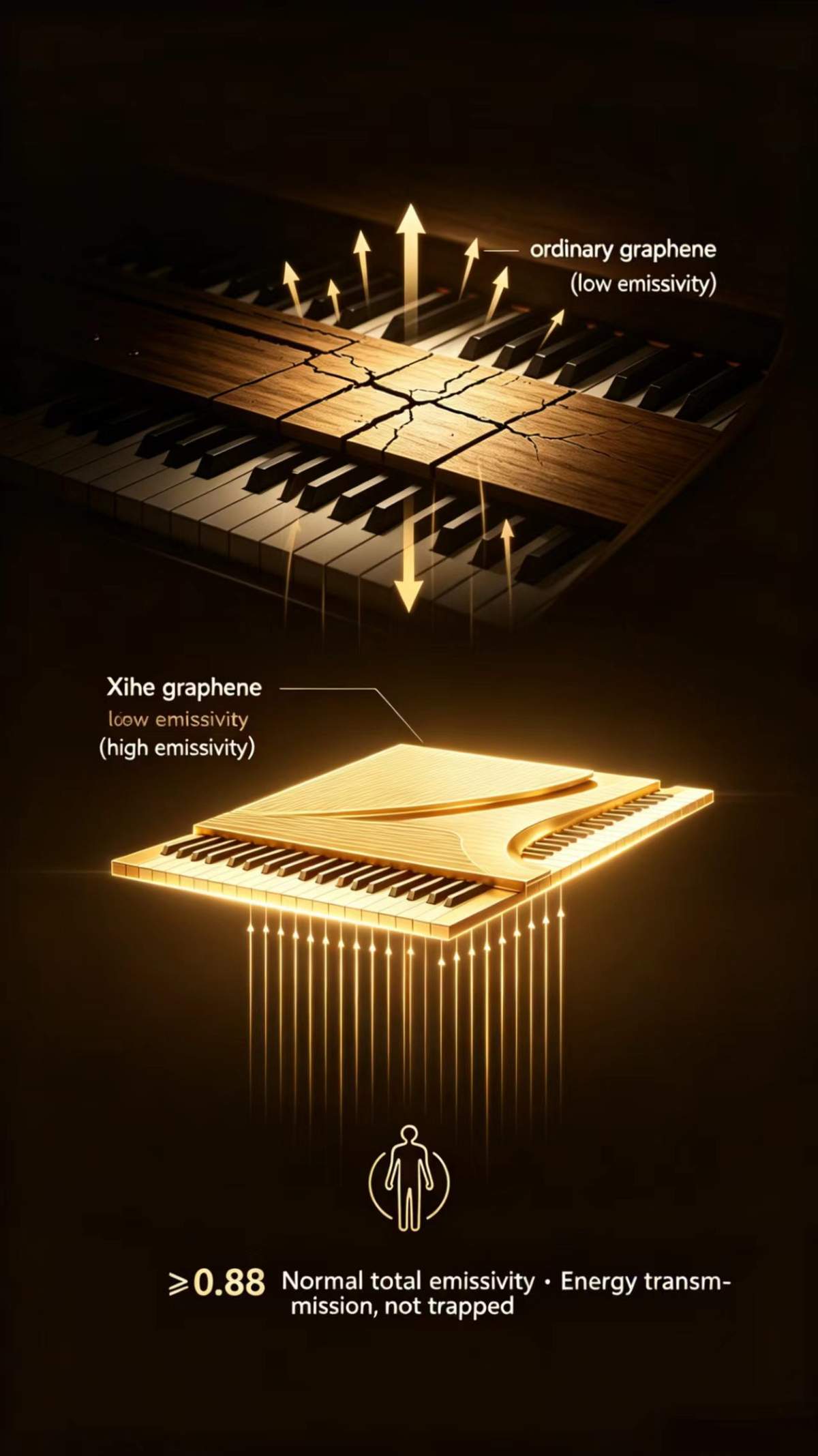
Why Two 9.4 um Graphene Films Are Not the Same
Far infrared performance is not defined by wavelength alone. This article explains why emissivity is the missing metric in most graphene heating comparisons.

Why Is Far Infrared Invisible but Warm?
Far infrared is invisible because human eyes cannot detect it, but it can still be felt as warmth when tissue absorbs the energy. This article explains the physics clearly.
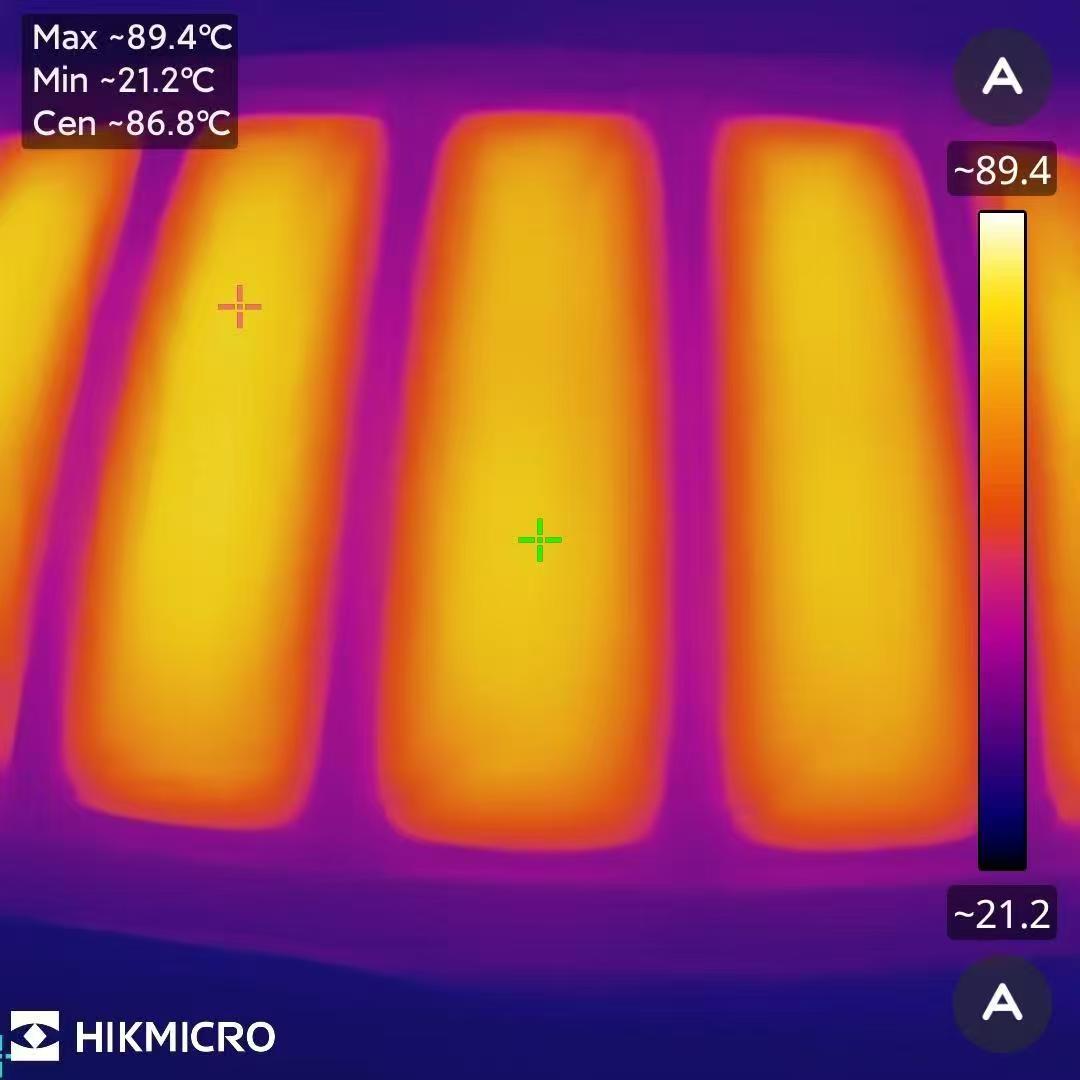
Livestock Heating Energy Efficiency: A Practical Evaluation Guide
Learn how to properly evaluate energy efficiency in pig heating systems using the three-factor method, Effective Target-Zone Watt Density, and grid-based uniformity measurement. Compare heating technologies on a level playing field.
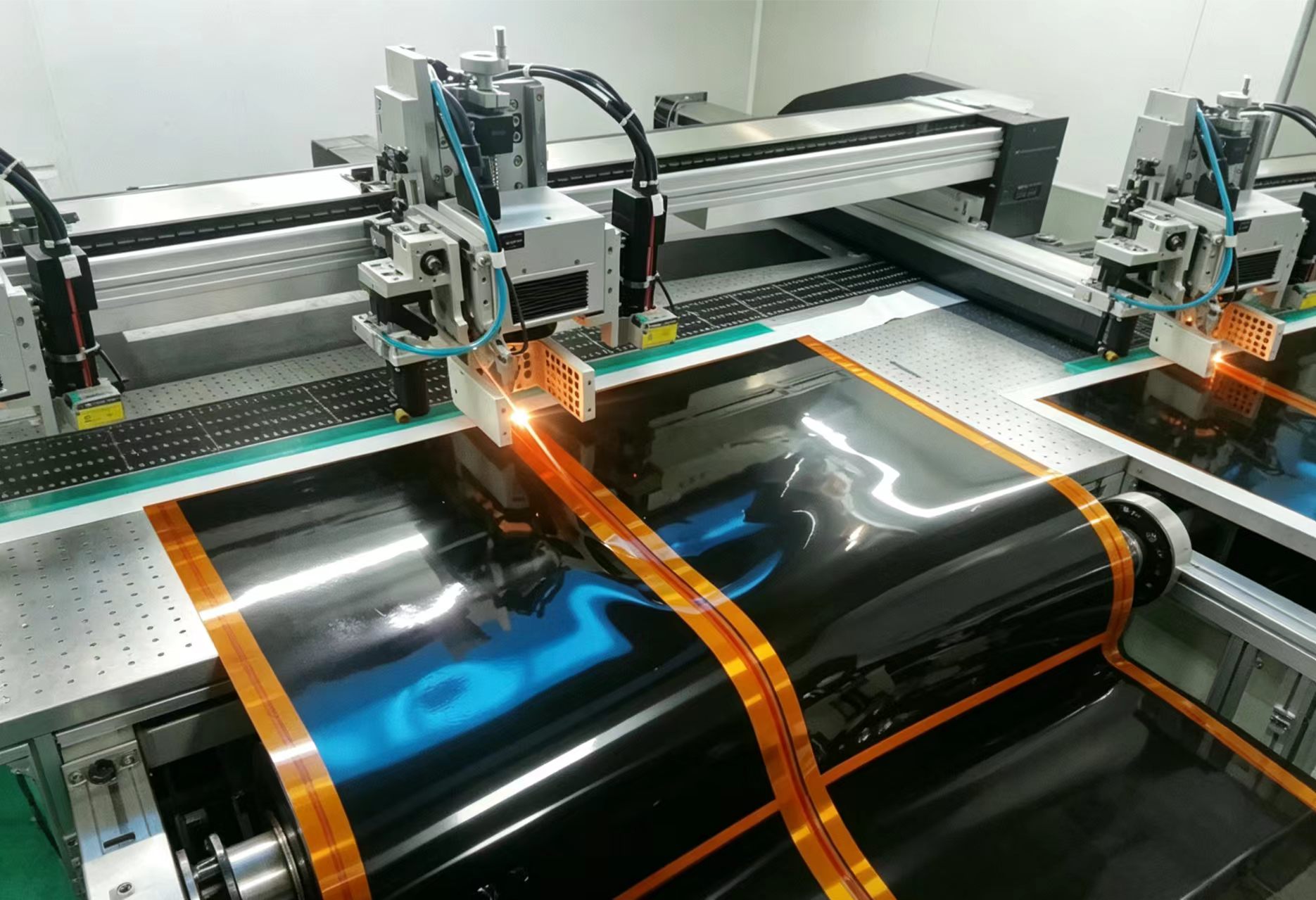
Graphene Heating Film OEM vs. ODM: What Buyers Need to Know
Understand the difference between OEM, ODM, and white-label graphene heating solutions. Find the right partnership model for your product with XIHE's engineering support.
5-15 um Is Not a Coincidence: How Nature Speaks Through Wavelength
The far-infrared band that sustains life on Earth - 5-15 um, with peak in the 5-15 um (peaking at 9.4 um) region - is not arbitrary. It reflects a deep alignment between physics, water, and cellular biology.
What Is Emissivity? The Critical Parameter in Graphene Far Infrared Systems
Emissivity measures how efficiently a surface radiates thermal energy. Learn why emissivity matters in graphene far infrared systems, how it differs from wavelength, and how XIHE frames 0.88 emissivity as an engineering anchor.
What Is Far-Infrared Radiant Efficiency?
Radiant efficiency asks a more useful question than temperature alone: how much of the radiated output falls within the far infrared band being discussed? This article explains the metric clearly.

What Is the Thinnest Graphene Heated Jacket? Film vs Wire Architecture
The thinnest graphene heated jacket depends on the heating architecture. Learn how flexible graphene film compares with carbon fiber wires, which buyer brief fits each option, and why NMPA Class II core-film context, Near-Zero EMF design, and 560,000-unit ANTA deployment matter.

XIHE Graphene Technology Drives Cellular ATP: Engineering Evidence and Biological Boundaries
How should graphene far infrared be discussed in relation to cellular energy and ATP? This page explains what can be said safely through engineering evidence, biological plausibility, and strict evidence boundaries.