Start Technical Review
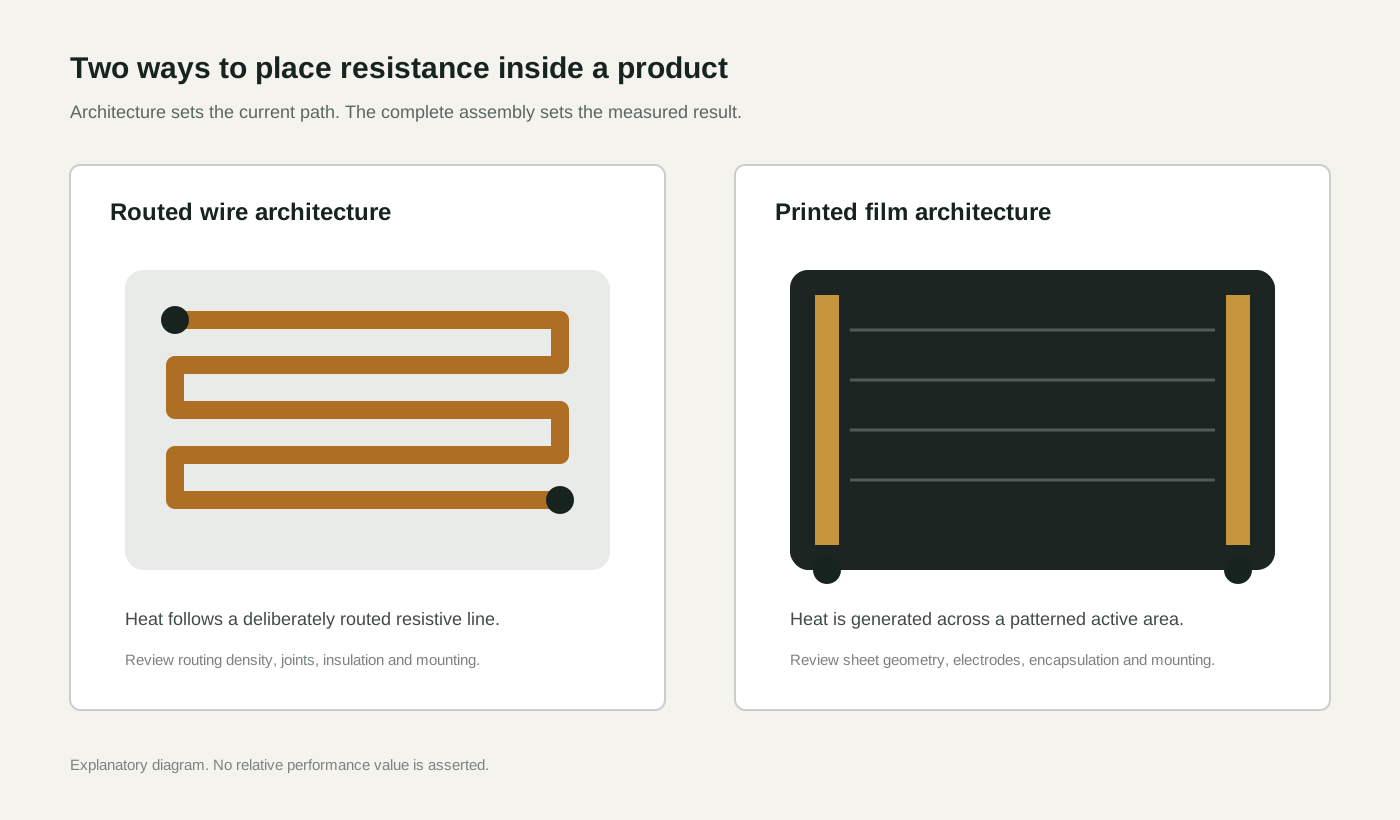
Explanatory comparison of a routed wire heating path and a printed area heating layer

Graphene Insights · Engineering notes

Graphene Heating Film vs Nichrome Wire

Nichrome wire and graphene heating film both create heat, but they create different product architectures. Compare the design logic before choosing.

heating-film-design 5 min read Updated 2026-08-12

Nichrome wire and graphene heating film differ in architecture, not in some fixed material rank. Wire creates heat along a routed resistive path; a printed film creates heat across a patterned active layer. Neither is inherently thinner, more flexible or more uniform — those properties follow from the complete construction: substrate, layer stack, electrode layout, mounting and control. Choose by matching the architecture and the achievable, validated result to the product brief.

Explore the component

Flexible Heating Solutions

Review the component, available supply formats and integration requirements for your product.

Engineering note 1

Why heater comparisons must be architecture-led

Calling both options heating elements hides the real difference. A wire element heats along a routed line; a film element heats across a printed active area. Each changes how thickness, flexibility, heat distribution and integration effort must be engineered. The useful question is not which material is more advanced, but which architecture can meet the mechanical and electrical constraints of the product.
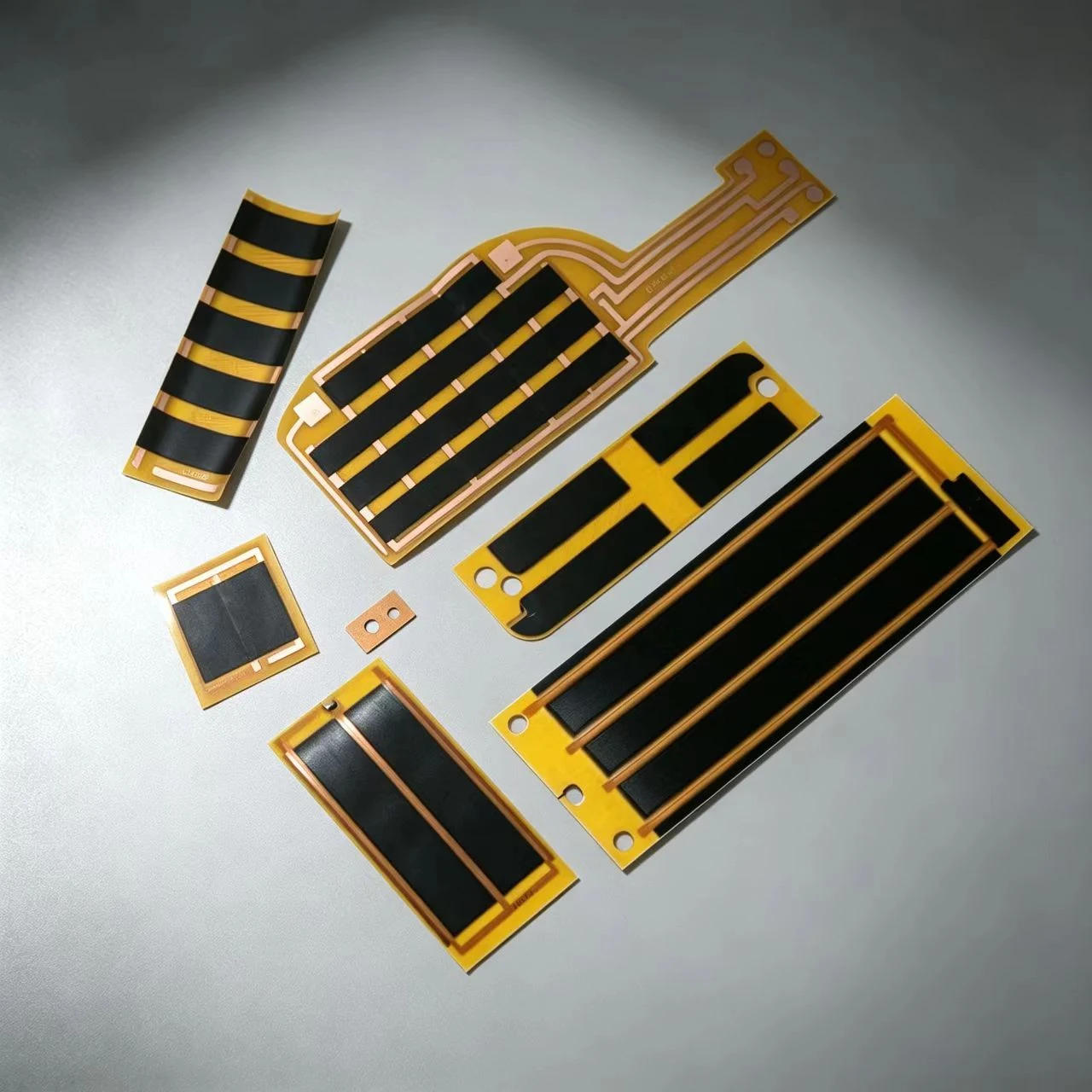
XIHE heating-film samples with different active-area and electrode geometries
XIHE film-format image. It shows how printed active areas and electrodes can be patterned; it does not establish a performance advantage over a routed wire construction.

Engineering note 2

What the architecture does — and does not — determine

Architecture sets the design logic: wire leads to a routed path, film leads to a printed area. It does not, by itself, set the final thickness, bend behaviour or uniformity. A thin, conformable heater can be built on either route when the substrate, stack and layout are engineered for it; equally, a poor stack can ruin either route. Judge a candidate by its documented construction and measured result under defined conditions, not by the material category.

Side-by-side

Graphene Heating Film vs Nichrome Wire

The rows describe typical design logic and the engineering variables that set the result. Thickness, flexibility and uniformity are outcomes of the full construction — substrate, stack, electrode layout, mounting and control — on both routes. They cannot be ranked by material category alone.

Evaluation factorNichrome wireGraphene heating film
Design logicHeat follows a routed resistive path.Heat spreads from a printed active layer.
ThicknessSet by wire diameter, routing layers and insulation. Thin builds are possible where the layout allows.Set by substrate, printed layer and lamination. Thin stacks are achievable, subject to the same construction constraints.
FlexibilityA thin wire can flex, but repeated bending concentrates strain at fixed points and joints.A thin printed laminate can flex; fatigue behaviour depends on layer position, radius and cycle count.
Heat patternPattern follows the routed geometry; layout defines the heat map.Pattern follows the printed geometry and electrode layout; the heat map is designable.
Temperature uniformityDepends on routing density, spacing and control; uniformity is layout-dependent on both routes.Depends on pattern, electrode layout and control; uniformity is design-dependent on both routes.
Best fitSimple layouts where a routed element and its assembly are acceptable.Designs where a printed area layer suits the available build and integration route.
OEM storyCommodity, well-established component logic.Material-led differentiation, requiring documented film performance.
Supplier questionHow is the routed layout designed and validated in the finished assembly?How is film construction and integration performance documented and validated?

Design guidance

When a routed wire architecture may fit

  • The product can accept a routed element and its assembly thickness.
  • The layout is simple enough for wire routing.
  • Cost and supply maturity are the dominant constraints.
  • Conformity to soft or compound-curved surfaces is not the primary requirement.

Design guidance

When a printed film architecture may fit

  • The build benefits from a flat, patterned active layer.
  • The substrate and lamination route suit a printed construction.
  • A distributed heating area is part of the product requirement.
  • The supplier can document construction, test conditions and integration results.

This comparison is limited to engineering architecture. It does not state that one route is generally thinner, more flexible or more uniform — those properties must be demonstrated for a specific construction under defined test conditions. It does not make any health or therapeutic claim.

Next decision

Return the research to a product decision.

Review the component options, check the engineering evidence, or bring your requirements to a Technical Review.

Flexible Heating Solutions

Review component options and integration requirements.

Engineering Evidence

Translate the comparison into a sample, method, conditions and acceptance rule.

Technical Review

Apply the question to your geometry, electrical input and development stage.

Which question matters to your project?

Share the product, electrical input and assembly conditions to make the discussion specific.

Start Technical Review