What Is a Far Infrared Sauna?
What is a far infrared sauna? Learn how far infrared sauna systems differ from traditional sauna rooms, what buyers should compare beyond temperature, and why emitter quality matters.
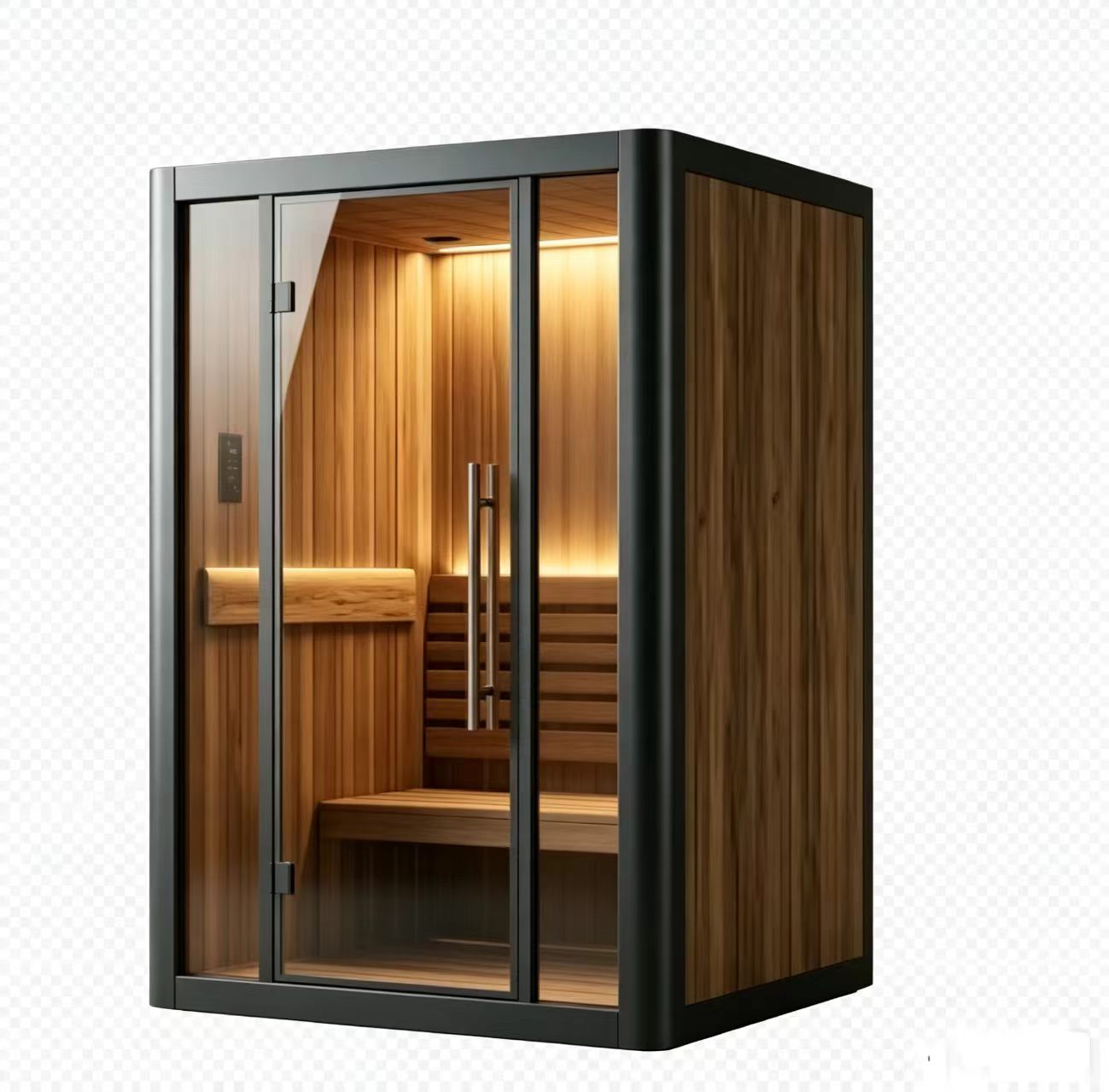
QUICK ANSWER
A far infrared sauna is an enclosed warming environment built around far infrared emitters, but buyers usually judge it through real-world experience: does it reach a useful temperature, does it feel like a real sauna, how reliable is the heater, what does the wiring require, and is the product more than a white-label box?
Reference Signals
A far infrared sauna should be defined as a radiant-heating environment, not simply a hotter room. The best comparison starts with emitter quality, spectral behavior, thermal control, and electrical design.
What Is a Far Infrared Sauna? Quick Answer
A far infrared sauna is a warming environment built around far infrared emitters.
It should not be defined only by how hot the room feels.
The reason the category gets criticized is not mysterious. People are reacting to IR cabins that feel too cool, never deliver a real löyly experience, leave users drained the next day, or look like generic Alibaba products with weak support.
The better definition is this:
It is a radiant-heating system whose quality depends on emitter material, wavelength behavior, thermal control, electrical design, and how consistently the environment is engineered.
Why Buyers Push Back on IR Saunas
Most search results collapse three different ideas into one blur:
- sauna
- infrared sauna
- far infrared sauna
But the stronger objection comes from real user experience:
- the room is capped around 120-150°F, so it gets mocked as too weak next to a 170-200°F traditional sauna
- there is no steam pour or löyly moment, so the experience feels incomplete
- users sometimes feel wiped out the next day and do not know whether it was normal or a sign of poor session design
- heater reliability is inconsistent, with some brands criticized for weak support or failed components
- electrical requirements create anxiety because buyers worry about 120V vs 240V, amperage, and line capacity
- DIY installation can be confusing because drainage, ventilation, sizing, and material choice all matter
- many products are treated as temporary placeholders rather than a lasting wellness platform
- the market is crowded with nearly identical white-label listings, especially from Alibaba-style sourcing
That is why buyers often compare the wrong thing.
They compare labels.
But the real difference sits one layer deeper.
It sits in the heating logic.
What Is a Far Infrared Sauna? Compare the System Before You Compare the Promise
The practical question is not:
Is this called a far infrared sauna?
It is:
What kind of thermal environment is this system actually creating, and how well is it controlled, installed, and supported?
That moves the comparison from category language to engineering language.
It also forces the buyer to ask the questions the community actually cares about: temperature ceiling, steam experience, post-session fatigue, repairability, circuit readiness, and whether the product is a real platform or just a branded heater box.
| System type | Primary heating logic | What buyers should really ask |
|---|---|---|
| Traditional sauna | High ambient air temperature | How stable is the room heat and airflow? |
| Far infrared sauna | Radiant emitter-led warming environment | What are the emitters doing, and how well is the system controlled? |
That shift matters because two far infrared sauna systems can perform very differently even when they use the same category name.
Mechanism: How a Far Infrared Sauna Works
1. It starts with emitters, not just air temperature
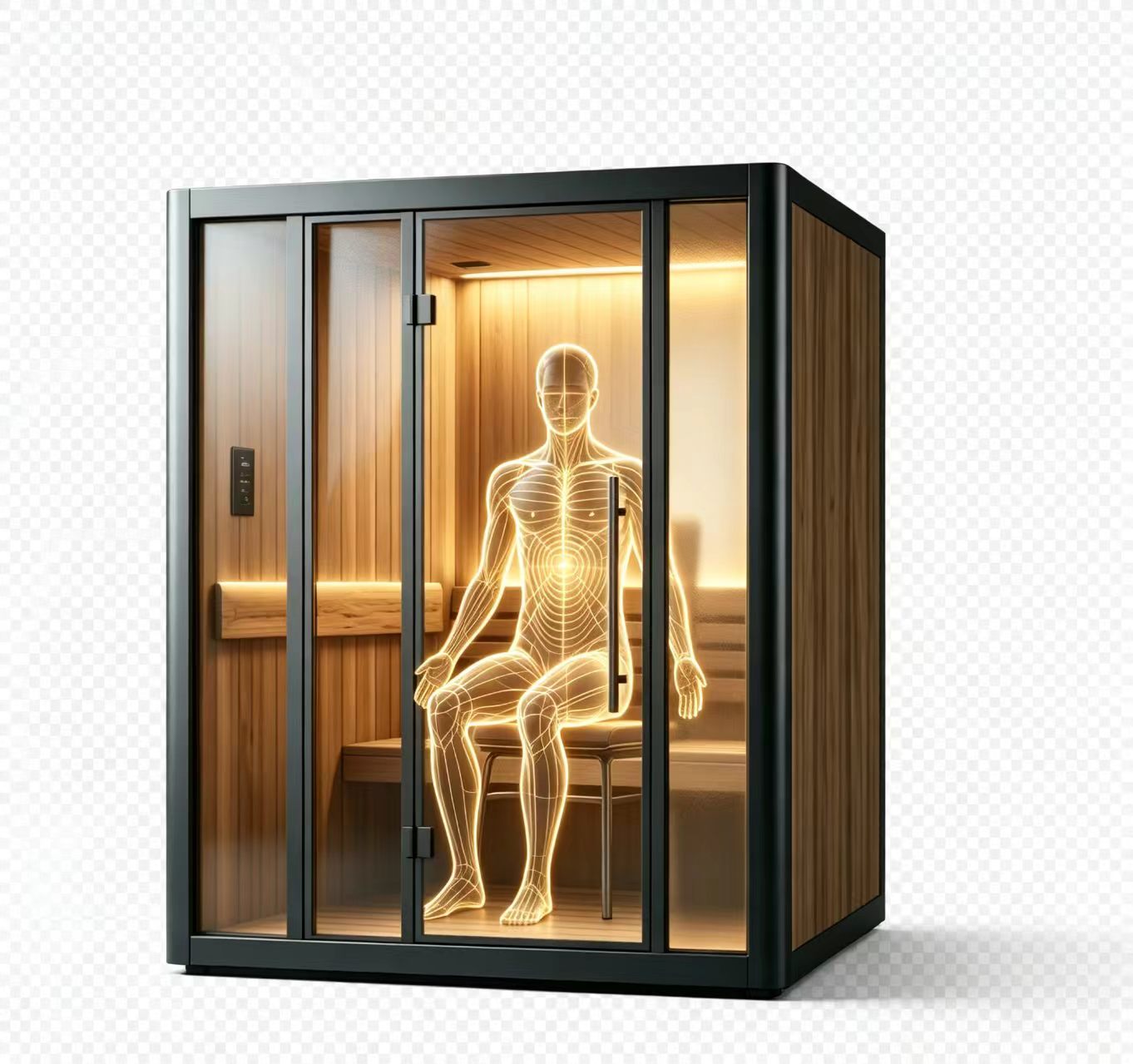
A far infrared sauna uses panels, films, or other emitter formats that radiate far infrared energy.
That means the system should be evaluated through:
- emitter material
- wavelength profile
- emissivity
- radiative efficiency
- temperature behavior over time
If those variables are not documented, the sauna label alone tells you very little.

2. The enclosure becomes a controlled warming environment
Once the emitters are active, the experience is shaped by more than one variable:
- radiant energy
- ambient air temperature
- internal surface temperature
- cabin geometry
- air movement
- session duration
This is why a far infrared sauna should be understood as an environment, not just as a heater.
3. System quality determines whether the category is meaningful
Two systems can both say far infrared sauna and still differ in:
- comfort consistency
- thermal uniformity
- control logic
- electrical design near the body
- commercial durability
The name is only the entry point.
The engineering is the real product.
What a Buyer Should Compare Beyond Temperature
If you are evaluating a far infrared sauna, these are the first questions worth asking:
- What is the actual temperature ceiling, and does the cabin feel thermally complete?
- Is there any steam or moisture logic, or is the system only a dry radiant box?
- How do users typically feel after the session, especially the next day?
- What heater brand, warranty, and service support are actually documented?
- What circuit does the system require, and does the buyer already have the right line capacity?
- How hard is installation, including ventilation, drainage, and footprint planning?
- Is this a durable platform or just a generic white-label enclosure with a logo?
- What emitter material is being used, and is emissivity independently documented?
Those questions are more useful than generic benefit language.
They are also more useful than comparing only seat count, wood finish, or peak temperature.
Why XIHE Uses the Cabin Frame
The word sauna is useful because it matches real search demand.
But it also pulls the conversation toward a traditional hot-air mental model.
For XIHE, the more precise product language is often:
commercial far infrared cabin
That wording helps us describe the system the way it is actually built:
- as an emitter platform
- as a controlled thermal environment
- as a professional deployment format
- as a graphene-centered engineering system
The point is not to pretend the sauna label does not exist.
The point is to answer the complaints around it with a better platform story.
Search language and product language do not have to be identical.
We can rank for sauna intent while guiding the reader toward a more precise category.
Where Graphene Changes the Comparison
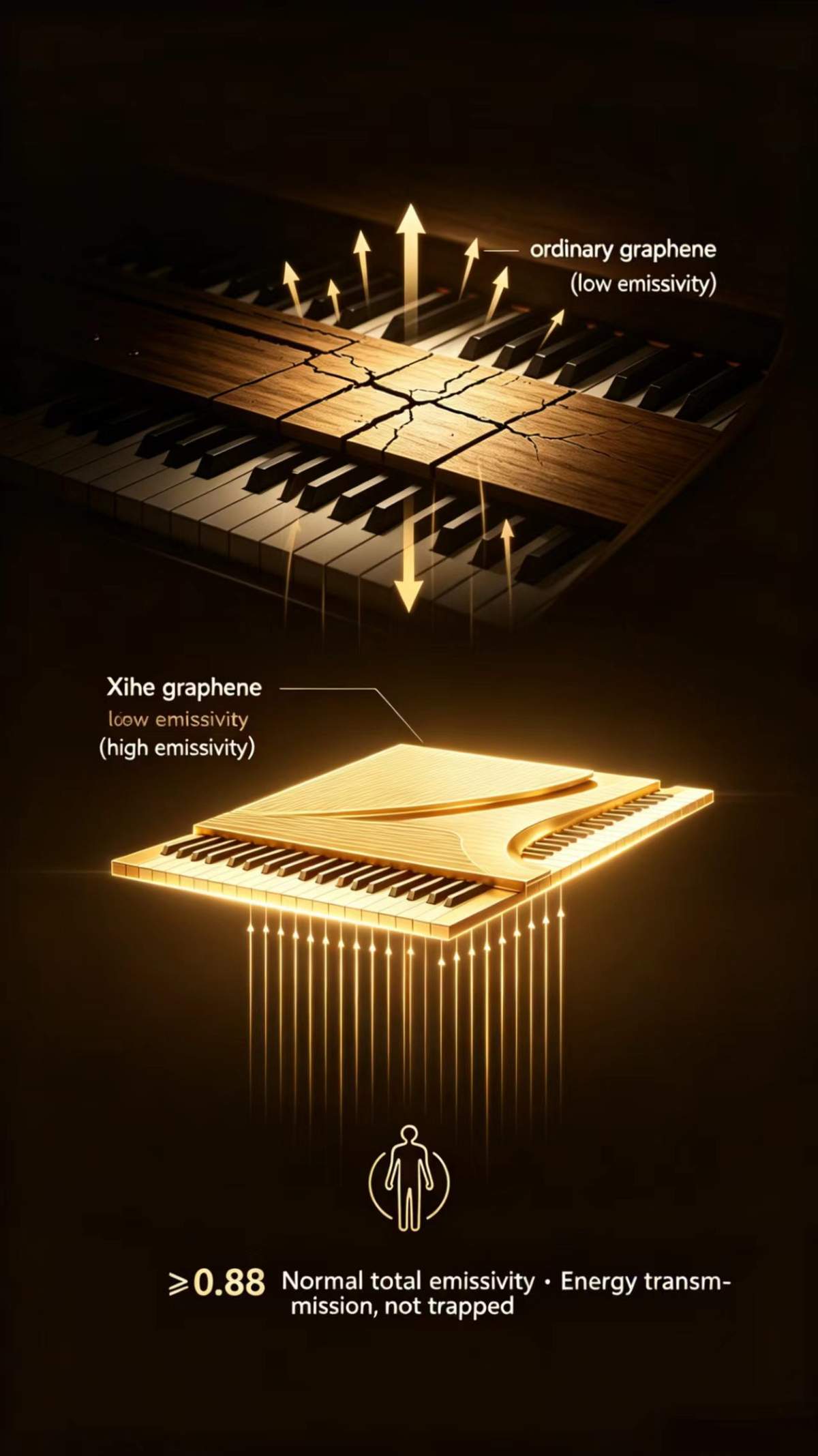
A far infrared sauna label identifies the heating category, but it does not identify emitter quality. A far infrared graphene cabin can be compared through emitter coverage, emissivity, wavelength behavior, radiant conversion, temperature control, electrical design, and evidence for repeatable deployment.
Once a buyer understands what a far infrared sauna is, the next question is not just which sauna?
It is which emitter platform?
That is where graphene becomes relevant.
The XIHE comparison frame is not based on saying a cabin is simply hotter.
It is based on documented platform variables such as:
- NIQS-certified 0.88 emissivity
- 9.4 um peak wavelength
- stable 5-15 um emission
- Near-Zero EMF positioning
- commercial deployment logic
That is the upgrade path from traffic keyword to real product understanding.
What to Read Next
- What Is Far Infrared?
- What Is Far Infrared Therapy?
- Is Far Infrared Sauna Safe?
- Far Infrared Sauna Benefits
- How Does Far Infrared Therapy Work?
- Red Light Therapy vs Far Infrared
- Near Infrared vs Far Infrared
- What Is Emissivity?
- Far Infrared Cabin
Scientific Disclaimer
This page is for engineering, product, and category education only.
It does not provide medical advice and does not guarantee a health outcome for any sauna or cabin system.
EVIDENCE QUESTIONS
What is a far infrared sauna?
A far infrared sauna is an enclosed warming environment that uses far infrared emitters to create a radiant-heating profile. Unlike a traditional sauna, it does not rely only on pushing room air to very high temperatures.
How is a far infrared sauna different from a traditional sauna?
A traditional sauna is mainly defined by hot ambient air. A far infrared sauna is better evaluated through emitter material, wavelength behavior, thermal control, and how the system manages a controlled warming environment.
Does the far infrared sauna label tell you enough?
No. Two systems can both use the far infrared sauna label and still differ sharply in emitter quality, emissivity, electrical design, temperature stability, and commercial-grade documentation.
What should buyers compare first?
Start with emitter type, independently documented emissivity, wavelength behavior, thermal uniformity, electrical design near the body, and whether the supplier can explain the system as an engineered platform rather than a generic hot box.
CONTINUE EXPLORING
What Is Far Infrared?
Far infrared is a region of the electromagnetic spectrum beyond visible red light. Learn how wavelength, emissivity, material properties, and measurement standards define far infrared technology.
Is Far Infrared Sauna Safe?
Is far infrared sauna safe? The real answer depends on the person, the thermal exposure, temperature control, ventilation, electrical design, and how the system is used.
What Is Far Infrared Graphene? Technology, Emitter Architecture, and Evaluation
Far infrared graphene technology uses a graphene-based emitter to convert electrical input into far infrared radiant output. Learn how it differs from conventional heating elements, how to evaluate emitter architecture, emissivity, radiant efficiency, and supplier evidence.
What Is Far Infrared Graphene? Technology, Emitter Architecture, and Evaluation Articles
Browse all XIHE knowledge articles filed under what is far infrared graphene? technology, emitter architecture, and evaluation.
XIHE Far Infrared Cabin for Next-Generation Wellness Spaces
Evaluate XIHE's commercial far infrared cabin for wellness centers, recovery facilities, and premium health environments. Combines graphene FIR technology, NIQS-tested graphene-film emissivity (material-level data), low-EMF positioning, and B2B procurement guidance.
Are Heated Eye Masks Safe? What Buyers Should Check First
Are heated eye masks safe? The practical answer depends on temperature control, session duration, face-contact materials, charging design, and whether the product is disposable or reusable.