Is Far Infrared Sauna Safe?
Is far infrared sauna safe? The real answer depends on the person, the thermal exposure, temperature control, ventilation, electrical design, and how the system is used.
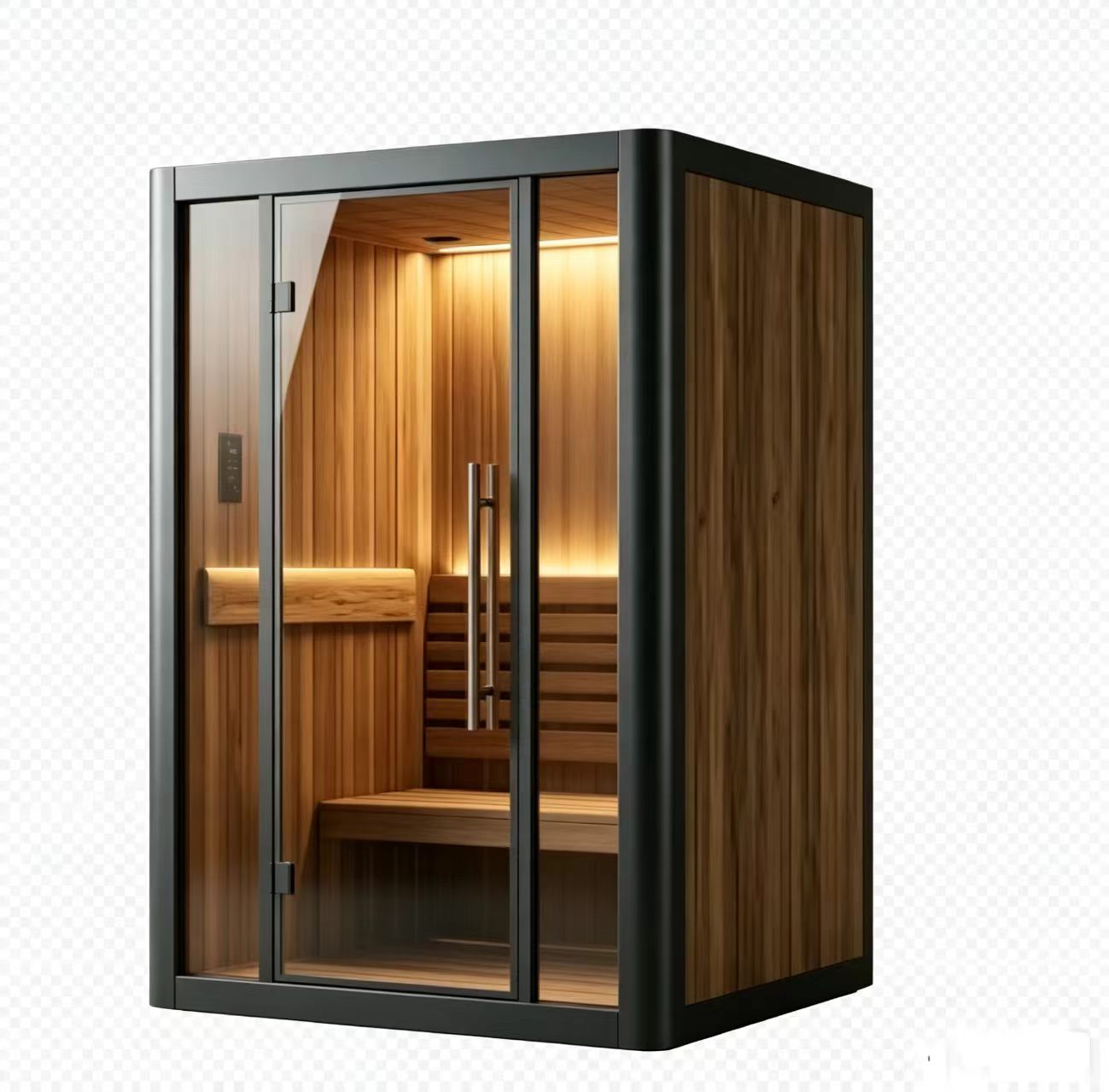
QUICK ANSWER
Far infrared sauna safety should not be answered with a universal yes or no. It depends on user context, thermal exposure, session duration, ventilation, electrical design, emitter quality, and whether the system is used with sensible controls and appropriate caution.
Reference Signals
The safest answer to far infrared sauna safety is conditional: evaluate the person, the thermal exposure, the controls, the electrical design, and the system quality instead of assuming every device in the category behaves the same way.
Is Far Infrared Sauna Safe? Quick Answer
Far infrared sauna safety depends on the system and the user.
It is not a universal yes.
It is not a universal no.
The right answer depends on:
- the thermal environment
- session duration
- user health context
- hydration and heat tolerance
- engineering quality of the cabin or device
Cause: Why Safety Answers Online Are Often Too Shallow
Many pages answer the question in one sentence:
Yes, infrared saunas are safe.
or
No, infrared exposure is risky.
Neither answer is good enough.
Safety is not a slogan.
It is a systems question.
Far Infrared Sauna Safety: Separate the Four Safety Questions
There are at least four different safety questions inside this one search query:
- Is the thermal exposure appropriate for the person?
- Is the system engineered and controlled properly?
- Is the session duration sensible?
- Are there health contexts where extra caution is necessary?
Once those questions are separated, the topic becomes much more useful.
Mechanism: The Main Safety Layers
1. Heat tolerance and thermal load
Any sauna-like environment involves heat exposure.
Even if a far infrared system operates differently from a conventional hot-air sauna, the body is still responding to thermal conditions.
That means heat tolerance matters.
Active fever is also a practical stop sign.
For room-format thermal systems, a person with an elevated body temperature should not add more heat stress.
2. System controls
Safety is stronger when the system has:
- stable temperature control
- defined session settings
- appropriate ventilation
- sound electrical architecture
- reliable material quality
This is one reason cheap category-level comparisons are weak.
The label far infrared sauna does not tell you whether the system itself is well-designed.
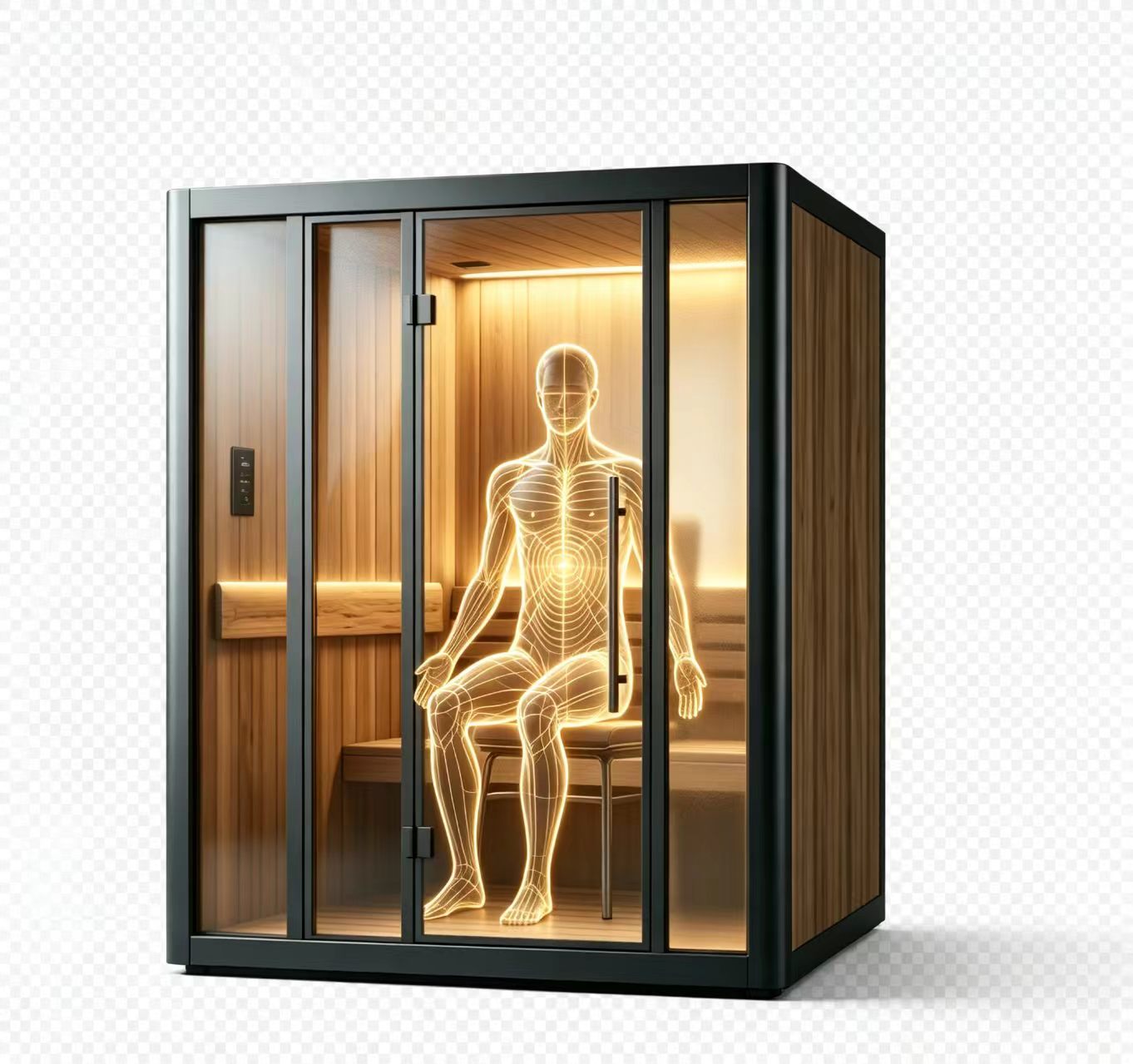
3. User context
Different users bring different constraints:
- cardiovascular issues
- pregnancy
- dehydration risk
- medication-related heat sensitivity
- implanted devices
- unusual heat intolerance
This is where general web content should stay careful and encourage qualified professional guidance when appropriate.
4. Session behavior
Safety is also behavioral.
Long sessions, poor hydration, ignoring discomfort, or using a poorly controlled device can make a category look less safe than the issue actually is.
A Better Safety Checklist
| Safety question | Why it matters |
|---|---|
| Can the system control temperature reliably? | Reduces erratic or excessive exposure |
| Is the electrical design credible? | Matters for near-body or enclosed use |
| Is there ventilation and sensible cabin design? | Helps manage exposure comfort and operating stability |
| Is the user medically appropriate for sauna exposure? | Some people need clinician guidance first |
| Are session instructions clear and reasonable? | Safety depends on real-world use, not just hardware |
| Are sanitation functions separated from occupied use? | Features like ozone should never be treated as in-session comfort modes |
What Serious Buyers Should Ask
Buyers should not stop at:
- maximum temperature
- seat count
- exterior finish
The better questions are:
- How stable is the session temperature?
- How does the system manage ventilation?
- How is electrical design positioned near the body?
- Are there clear contraindication notes for heat-sensitive users?
- Are optional modules and sanitation features controlled appropriately?
That is a better trust framework than broad claims about being safe for everyone.
What XIHE Should Emphasize
XIHE should not answer this page with hype.
The strongest positioning is calm and commercial:
- safety depends on controls
- safety depends on system design
- safety depends on user context
For XIHE’s product story, the more credible angle is:
engineered far infrared environments with controlled emitter behavior and commercial-grade system logic
That is stronger than making broad safety promises.
When the Answer Should Be “Ask a Professional First”
Anyone with:
- cardiovascular disease or symptoms
- pregnancy
- unstable health conditions
- medication-related heat sensitivity
- implanted medical devices
- history of heat intolerance or fainting
should seek qualified medical guidance before using sauna-like heat environments.
That is a responsible answer.
Where Graphene Changes the Comparison
Safety is not only about user behavior. It also depends on what the system is emitting and how well that output is controlled.
Far infrared graphene reframes the sauna comparison around documented emitter behavior: 5-15 μm emission band, characteristic peak near 9.4 μm, NIQS-tested 0.88 emissivity, and 68% radiant conversion efficiency. A cabin built on a specified emitter is easier to evaluate than one built on a category label.
Bottom Line
Far infrared sauna safety is a conditional question.
The right answer depends on the person, the system, and the exposure conditions.
That is exactly why serious buyers and serious users should care about engineering quality, not category labels alone.
What to Read Next
- What Is Far Infrared?
- What Is a Far Infrared Sauna?
- What Is Far Infrared Therapy?
- Far Infrared Sauna Benefits
- How Does Far Infrared Therapy Work?
- What Is Emissivity?
- Far Infrared Cabin
Scientific Disclaimer
This page is general educational content only.
It does not provide medical advice, diagnosis, or individualized safety clearance.
EVIDENCE QUESTIONS
Is a far infrared sauna safe for most people?
Many people use far infrared sauna systems without issue, but safety should never be reduced to a blanket yes or no. The relevant factors include thermal exposure, hydration status, medical context, medication use, pregnancy, heat tolerance, and the quality of the system itself.
What makes one far infrared sauna safer than another?
Better safety comes from better controls: stable temperature management, defined session logic, appropriate ventilation, sound electrical design, reliable materials, and clear user guidance.
Is lower temperature always safer?
Not automatically. Lower temperature may reduce some heat burden, but safety still depends on exposure duration, user condition, and overall system design.
When should someone ask a clinician first?
Anyone with cardiovascular concerns, heat intolerance, pregnancy, implanted devices, unstable medical conditions, or medication-related heat sensitivity should seek qualified medical guidance before using any sauna-like thermal system.
CONTINUE EXPLORING
What Is a Far Infrared Sauna?
What is a far infrared sauna? Learn how far infrared sauna systems differ from traditional sauna rooms, what buyers should compare beyond temperature, and why emitter quality matters.
Far Infrared Sauna Benefits
Far infrared sauna benefits are often discussed too broadly. Learn what buyers usually mean by benefits, what can be explained through heat and system design, and where evidence boundaries still matter.
What Is Far Infrared Graphene? Technology, Emitter Architecture, and Evaluation
Far infrared graphene technology uses a graphene-based emitter to convert electrical input into far infrared radiant output. Learn how it differs from conventional heating elements, how to evaluate emitter architecture, emissivity, radiant efficiency, and supplier evidence.
What Is Far Infrared Graphene? Technology, Emitter Architecture, and Evaluation Articles
Browse all XIHE knowledge articles filed under what is far infrared graphene? technology, emitter architecture, and evaluation.
XIHE Far Infrared Cabin for Next-Generation Wellness Spaces
Evaluate XIHE's commercial far infrared cabin for wellness centers, recovery facilities, and premium health environments. Combines graphene FIR technology, NIQS-tested graphene-film emissivity (material-level data), low-EMF positioning, and B2B procurement guidance.
Are Heated Eye Masks Safe? What Buyers Should Check First
Are heated eye masks safe? The practical answer depends on temperature control, session duration, face-contact materials, charging design, and whether the product is disposable or reusable.