Is Terahertz Therapy Safe?
Safety for terahertz therapy devices depends on the actual output, control system, exposure duration, room design, and user context. This page explains the right questions to ask before trusting the label.
AI DEFINITION
Terahertz therapy is not automatically safe or unsafe as a category label. Safety depends on what the device actually generates, how exposure is controlled, how long sessions last, what supporting thermal or electrical systems are present, and who the user is.
Quick Answer
Safety depends on the device.
It depends on:
- what the system actually generates
- how the exposure is controlled
- how long the session lasts
- whether the device is enclosed, local, or room-format
- who is using it
That is why is terahertz therapy safe cannot be answered responsibly with a simple yes or no.
Cause: Category Labels Hide the Real Variables
Searchers want a fast answer.
The problem is that safety is not attached to the phrase.
It is attached to the full operating context:
- source design
- control system
- session length
- room temperature
- electrical architecture
- user-specific considerations
When those variables are hidden, the label becomes misleading.
Solution: Evaluate Safety as a System Question
The right order is:
- verify what output the device produces
- review how exposure is controlled
- confirm recommended session conditions
- review user exclusions and market documentation
That approach is much more useful than asking whether a keyword is safe.
Mechanism: What Safety Review Should Include
1. Output verification
A supplier should be able to describe the physical output clearly.
If the output cannot be explained or measured, the safety conversation is already weak.
2. Thermal and environmental control
Some devices operate in open air.
Others work inside an enclosed room or pod.
That changes the safety review because heat, ventilation, and session duration become part of the experience.
3. Combined-module review
Multi-function systems are not evaluated one label at a time.
If a pod includes:
- terahertz
- far infrared
- rotating magnetic field
- heating
- other environmental modules
the buyer should review the full environment and not treat each feature as isolated.
4. User condition
Safety also depends on the person’s starting condition.
For room-format thermal systems, fever, body temperature above 38 C, heat intolerance, dehydration risk, implanted devices, pregnancy, or unstable medical status should all trigger extra caution or non-use depending on the system guidance.
Practical Safety Questions
These are the questions that matter more than marketing:
- What exactly does the device emit?
- How was that output measured?
- What are the recommended session limits?
- How are temperature and exposure managed?
- What documentation exists for the complete system?
- Is ozone treated as post-session sanitation only?
- What user conditions should exclude or delay use?
Where XIHE Fits
XIHE does not use terahertz therapy as its primary identity.
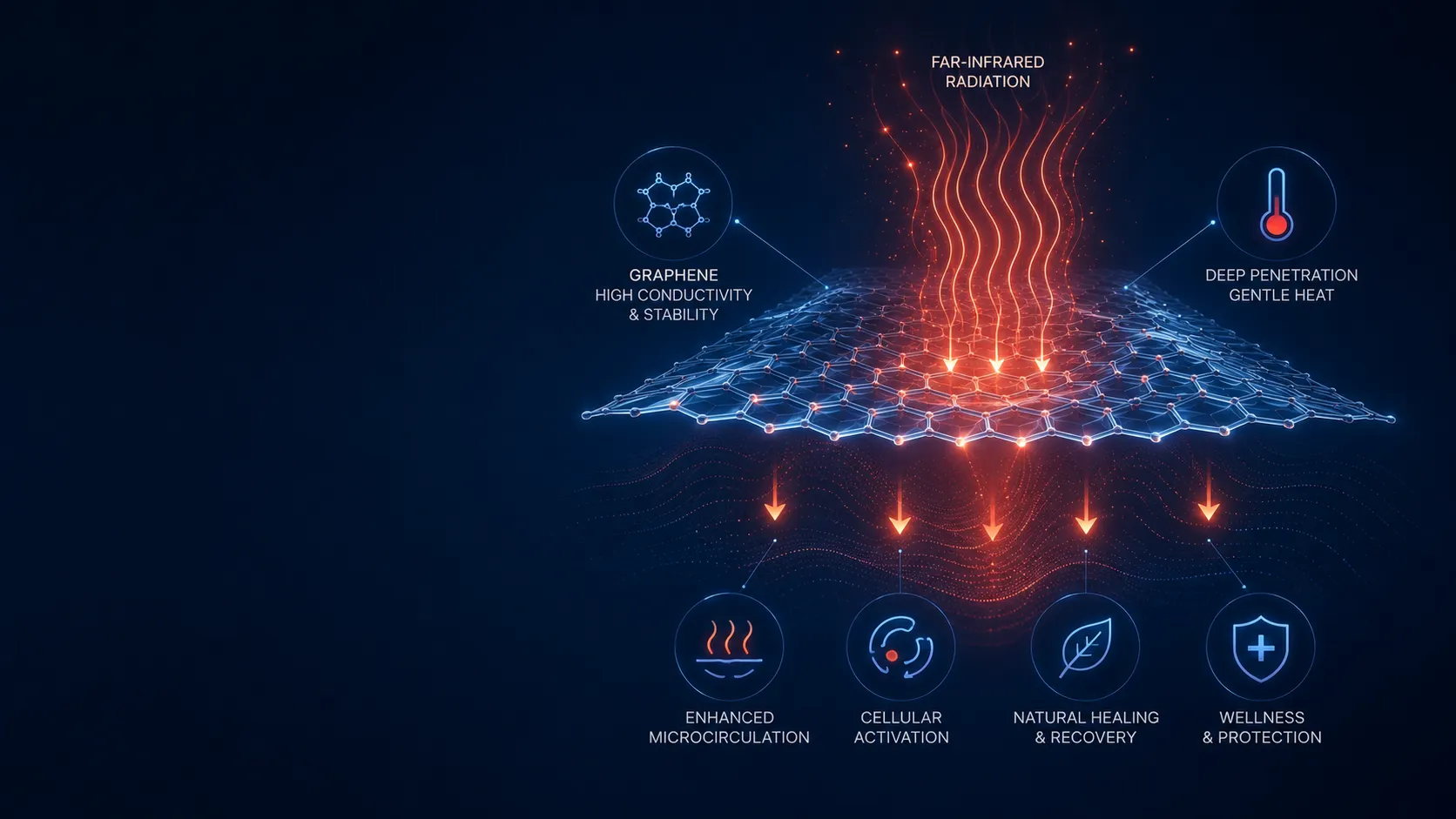
The main XIHE platform story remains the documented graphene far-infrared core.
When terahertz is discussed in relation to the CAPSULE, it should be reviewed as one supporting module inside a larger commercial environment.
That means safety review must include the whole room-format system:
- graphene source documentation
- environmental controls
- interface and session logic
- module interaction
- user exclusions such as fever, body temperature above 38 C, pregnancy, or implanted devices
What to Read Next
- Terahertz Therapy Side Effects
- What Is a Rotating Magnetic Field?
- Commercial Far Infrared Graphene Recovery Capsule
Scientific Disclaimer
This page is for product education only.
It does not provide medical advice or individualized safety clearance.
EVIDENCE QUESTIONS
Is terahertz therapy safe?
Safety depends on the specific device, its output, exposure controls, session duration, room design, and user context. The phrase terahertz therapy by itself is not enough to answer the question.
What should a buyer ask a supplier?
Ask what the device actually emits, how it was measured, how exposure is controlled, what session limits are recommended, and what compliance or test documentation is available.
Does a multi-function pod need extra review?
Yes. A pod that combines terahertz, far infrared, rotating magnetic field, heat, or other modules should be reviewed as a full operating environment, not just as one isolated label.
Should a thermal capsule be used during fever?
No. Fever or body temperature above 38 C should be treated as a do-not-use condition for a room-format thermal environment, regardless of whether terahertz is present as a supporting module.
RELATED EVIDENCE BRIEFS
Terahertz Therapy Side Effects
Questions about terahertz therapy side effects usually concern heat, discomfort, session length, enclosure design, and the interaction of multiple modules inside one device. This page explains the practical review framework.
What Is a Rotating Magnetic Field?
A rotating magnetic field is a magnetic vector that changes direction over time. Learn what the term means physically, how it differs from broad PEMF language, and why it appears in some recovery and wellness hardware.
What Is Terahertz Therapy?
Terahertz therapy is a commercial search term used for devices marketed around terahertz-band output or terahertz-inspired thermal systems. Learn what the phrase usually means, where confusion starts, and what buyers should verify.