Summary
This hub explains oxidative stress as a redox imbalance problem, not as a buzzword. The key topics are ROS generation, antioxidant systems, mitochondrial exposure, and why oxidative burden often shows up as lower resilience. The best reading order is redox basics first, pathway evidence second, and outcome or product claims third.
Why It Matters
What is oxidative stress?
Evidence Context
Redox biology is regulation, not a zero-radical target.
Cells continuously generate reactive species and use antioxidant systems, repair pathways, and metabolic adaptation to manage them. A temporary redox signal can be functional; a sustained imbalance can increase cellular cost and disrupt performance.
A physical input may alter temperature, molecular motion, circulation, or signaling context, but each link requires measurement. XIHE's graphene graphene">far infrared research should therefore be described by source, model, pathway, and evidence level.
Evidence Review
KEY TAKEAWAYS
- ◆
Reactive species are part of normal signaling; oxidative stress is a context-dependent imbalance.
- ◆
Mitochondrial function, inflammatory load, buffering capacity, and repair demand all shape redox state.
- ◆
XIHE's graphene far infrared evidence in this area is preclinical and should remain tied to the measured pathways and model.
鈫?/span> Mitochondria -> energy conversion, electron flow, and redox regulation.
鈫?/span> Inflammation -> Recovery -> Far Infrared Graphene -> preclinical evidence review.
XIHE Relevance
This topic matters to XIHE because biological responses must be interpreted alongside the physical input being studied. XIHE's graphene">far infrared graphene platform defines that input through measurable parameters such as emission range, characteristic peak, emissivity, radiant conversion, exposure geometry, and thermal conditions. These engineering parameters do not prove a clinical outcome by themselves; they make research questions more reproducible and evidence claims easier to evaluate.
XIHE uses oxidative stress as a mechanism question, not a fear-based marketing phrase. The company can contribute a defined graphene graphene">far infrared source and published preclinical observations while remaining precise about what those observations mean.
Evidence Paths
Use these briefs and support pages to move from topic understanding toward evidence review and product evaluation.
Start Here
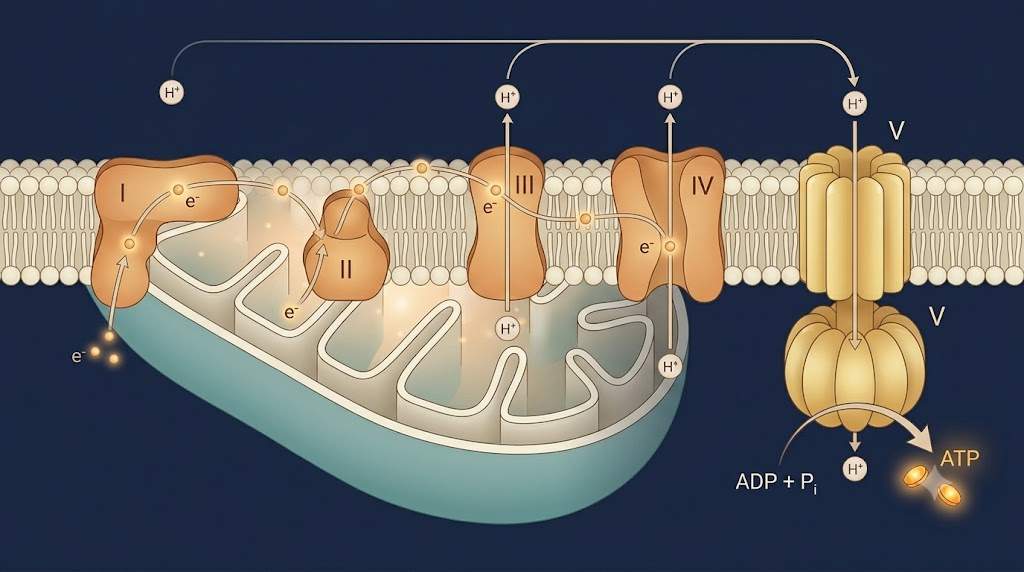
What Is Oxidative Phosphorylation? Live
Start with the ATP and electron-flow mechanism that sits underneath a lot of redox language.
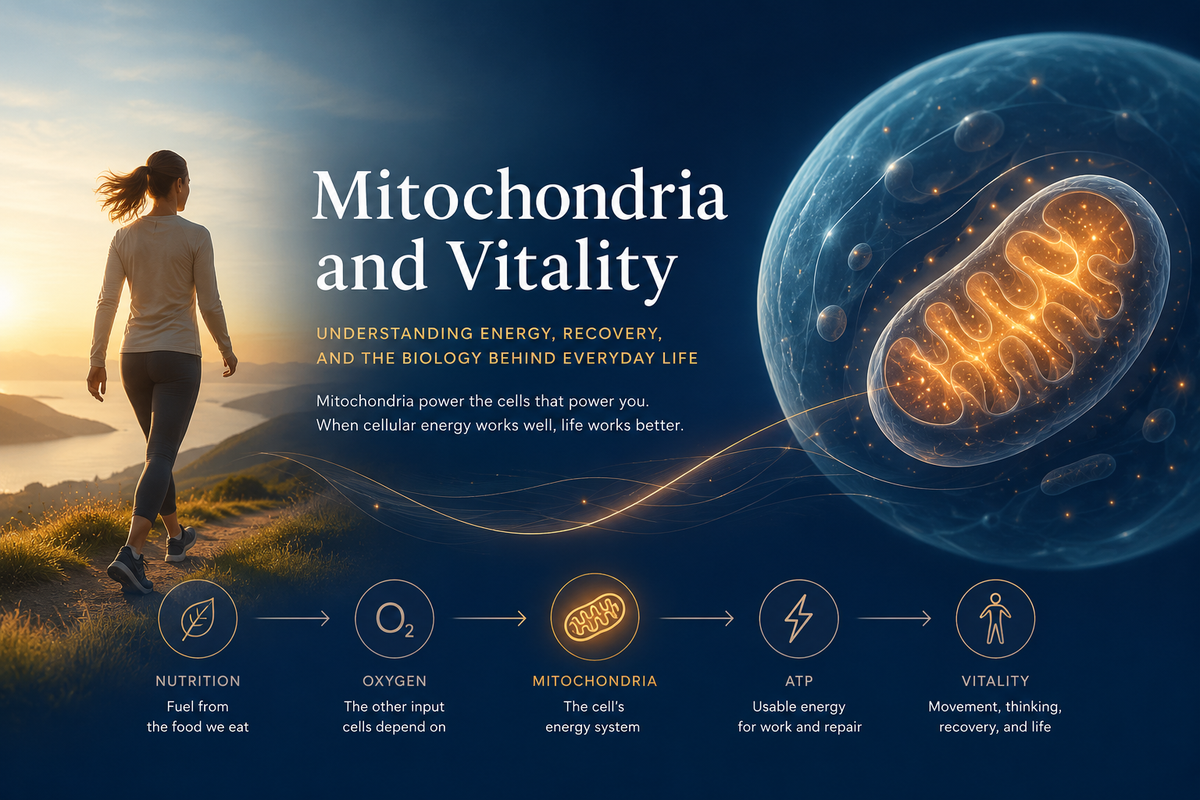
What Is Mitochondrial Health? Live
A functional overview of the organelle most often connected to redox burden and buffering.
Does Far Infrared Affect Oxidative Stress Pathways? Live
A cautious pathway review that keeps mechanism observations separate from product outcomes.

Clinical Evidence Live
Review whether the cited redox claim is preclinical, human, or product-specific.

Mechanism

Related Context
What Is Oxidative Phosphorylation? Live
A mechanism page that shows where electron flow and ATP meet redox biology.
What Is Mitochondrial Health? Live
A functional overview of the organelle that sits at the center of redox burden.
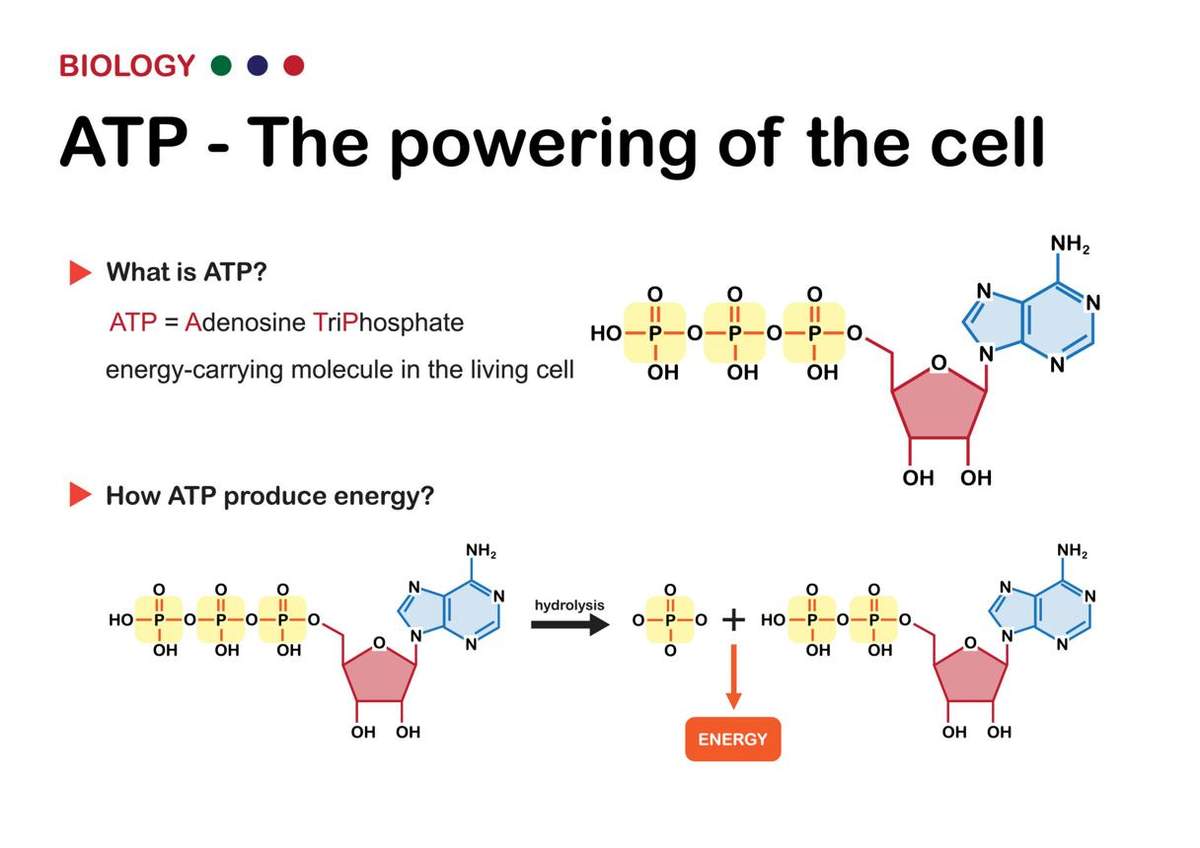
What Is ATP? The Cell's Usable Energy Currency Live
A baseline energy page that helps separate ATP supply from oxidative stress language.
Related Reading
Cross-hub routes that connect this topic to the wider graphene evidence network.
COMMERCIAL RELEVANCE
How this topic connects to supplier review, evidence validation, and product-level evaluation
Comparison Lens
How XIHE frames this topic against conventional category narratives
| Parameter | XIHE | Traditional |
|---|---|---|
| Redox model | Dynamic balance among production, signaling, buffering, and repair | All reactive species treated as toxins |
| Research claim | Named pathways in a preclinical model | Antioxidant or disease outcome inferred from mechanism data |
Applications
Mitochondrial Context
Understand why energy conversion and redox regulation are inseparable.
Explore mitochondriaInflammation Context
Review how redox state and immune signaling can interact without becoming the same process.
Explore inflammationEvidence Classification
Keep preclinical pathway findings separate from human and product evidence.
Review evidenceBuyer Questions
Questions that connect this topic to product review and supplier conversations
Was oxidative stress directly measured or only discussed as a mechanism?
Check the endpointWhat model and exposure protocol produced the finding?
Check the sourceHas the result been demonstrated in the intended finished product?
Review cabin evidenceFAQ FOR EVALUATION
Are all reactive oxygen species harmful?
No. Reactive species participate in normal signaling and adaptation. Their effect depends on amount, duration, location, cellular context, buffering, and repair capacity.
Does far infrared graphene act as an antioxidant?
That conclusion cannot be made from emitter specifications. XIHE's cited preclinical work discusses oxidative-stress-related regulation under defined conditions, not a universal antioxidant effect.
Why is oxidative stress connected to mitochondria?
Mitochondrial electron transfer can contribute to reactive-species production, while redox imbalance can also affect mitochondrial components, signaling, and ATP-related function.
This hub is for scientific education only. It does not provide medical advice or treatment recommendations. Redox biology should be interpreted in context, not simplified into one-variable wellness claims.