Summary
This hub reframes metabolism as the conversion of nutrients into usable cellular work. The central questions are ATP production, mitochondrial efficiency, repair demand, and why metabolism should not be reduced to body-weight language alone. The best reading order is ATP basics first, mechanism second, and claim boundary third.
Why It Matters
What does metabolism actually mean?
Evidence Context
Metabolism is not one switch.
It is a regulated network that coordinates substrate breakdown, ATP production, biosynthesis, storage, and heat exchange. A change in one pathway does not establish a whole-body outcome.
graphene">Far infrared graphene belongs in this discussion as a controllable environmental input. Its wavelength, emissivity, radiant efficiency, temperature, and duration can be defined; any metabolic response must then be measured independently.
Evidence Review
KEY TAKEAWAYS
- ◆
Metabolism includes energy release, ATP generation, biosynthesis, storage, signaling, and heat balance.
- ◆
A thermal response is not the same as a demonstrated metabolic-health outcome.
- ◆
XIHE makes the external graphene far infrared input measurable so it can be discussed without overstating what the biology proves.
鈫?/span> Cellular Energy -> Mitochondria -> nutrient-to-ATP conversion.
鈫?/span> Recovery -> Microcirculation -> Far Infrared Graphene -> controlled product environments.
XIHE Relevance
XIHE does not position graphene">far infrared graphene as a shortcut around nutrition, movement, sleep, or medical evaluation. It positions the platform as a controllable physical environment that can be specified and studied.
This distinction is commercially important. Buyers should compare measurable emitter performance and operating protocols, not purchase an undefined promise about metabolism.
Evidence Paths
Use these briefs and support pages to move from topic understanding toward evidence review and product evaluation.
Start Here
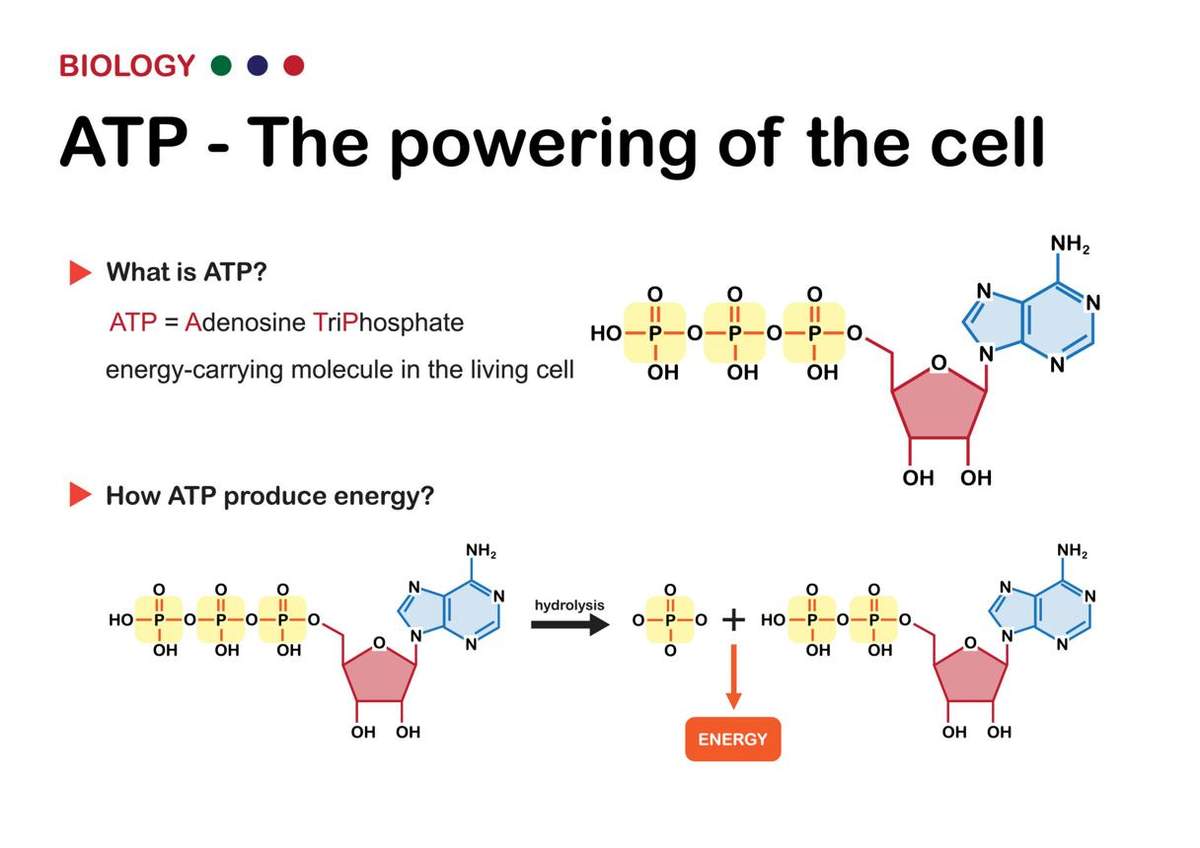
What Is ATP? The Cell's Usable Energy Currency Live
Start with the energy unit that metabolism is trying to generate and allocate.
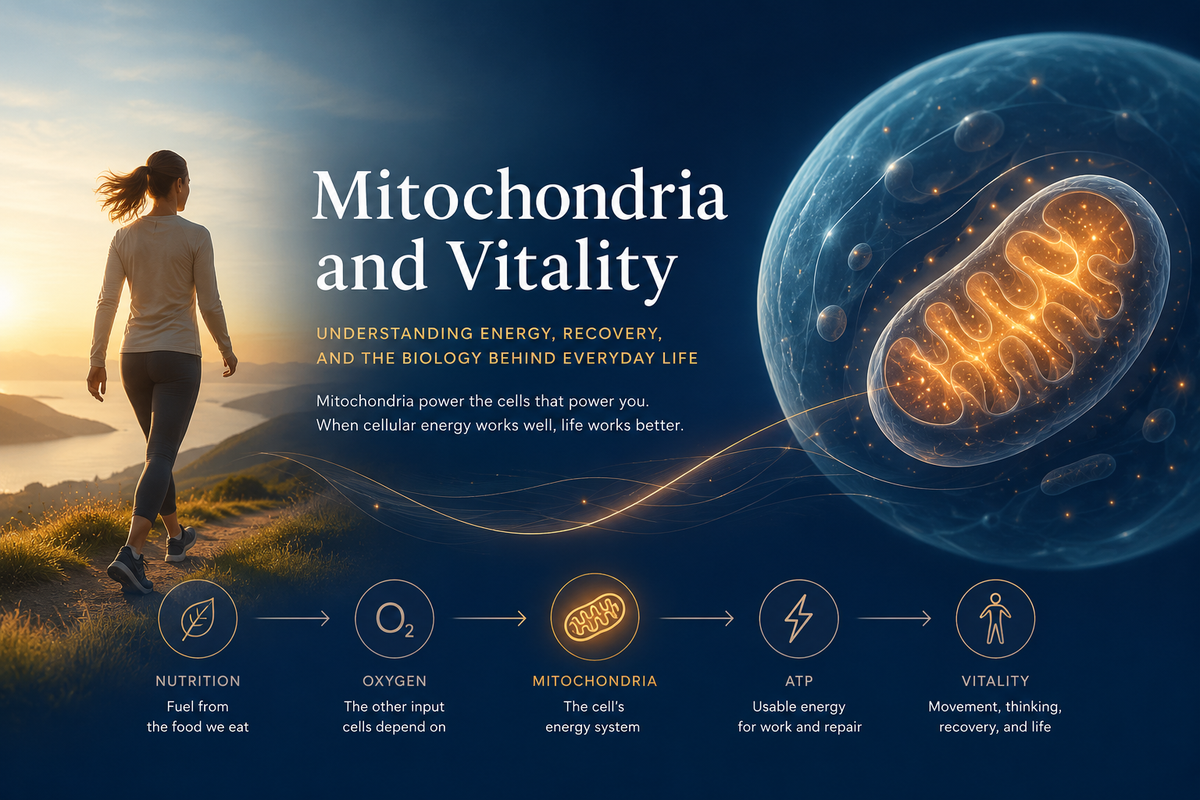
What Is Mitochondrial Health? Live
A functional view of the organelle that drives fuel-to-work conversion.
How Far Infrared May Affect Metabolic Rate Live
A cautious page on thermal environment, metabolic context, and what does not count as proof.

Clinical Evidence Live
Review whether a metabolic statement is based on heat, comfort, or a measured endpoint.

Mechanism

Related Context
What Is ATP? The Cell's Usable Energy Currency Live
A baseline energy page for understanding conversion before outcome claims.
What Is Mitochondrial Health? Live
A functional view of the organelle that drives fuel-to-work conversion.
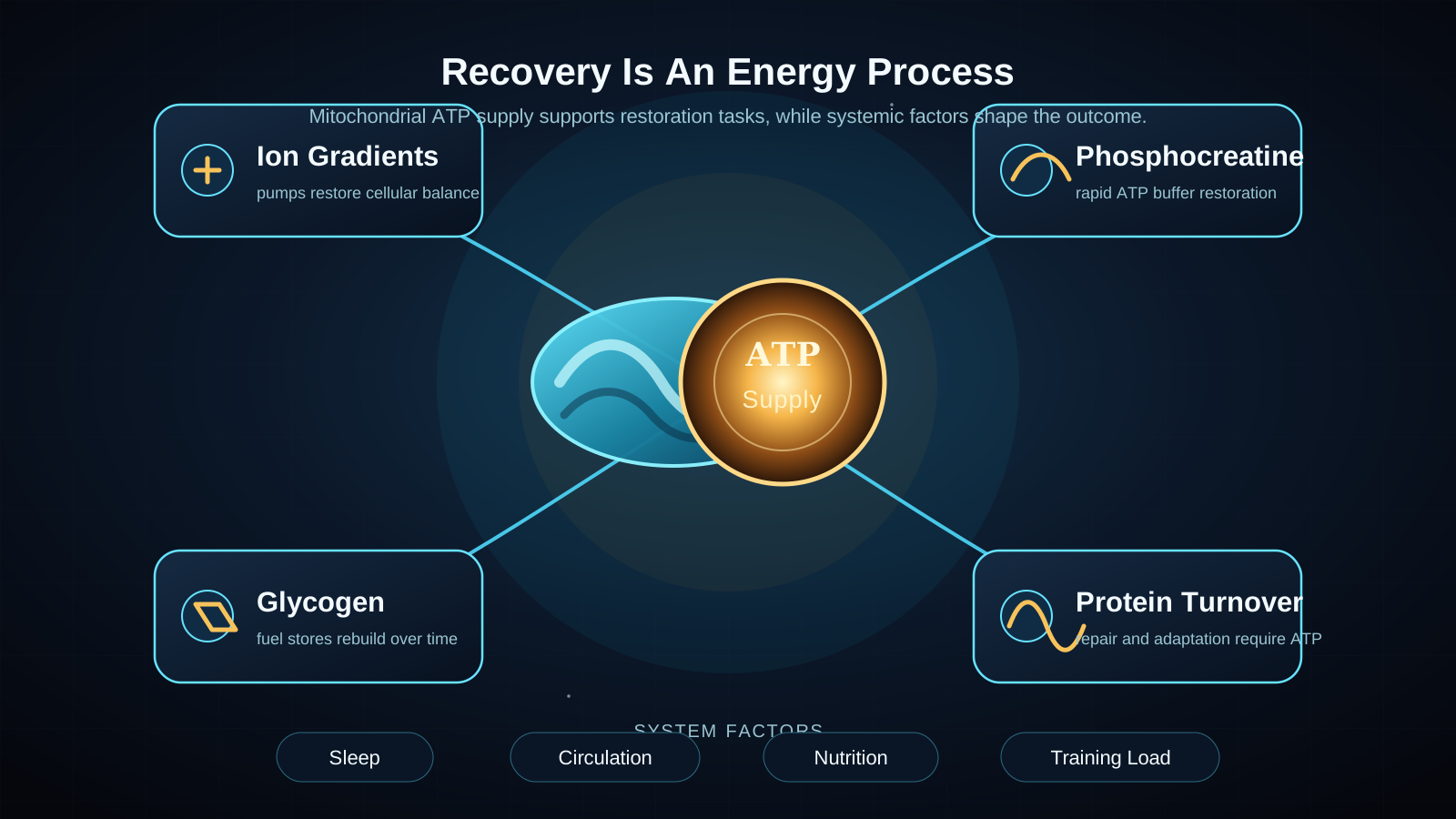
Why Is My Recovery Slow? Live
A recovery-demand page that helps frame metabolic load in practical terms.
Related Reading
Cross-hub routes that connect this topic to the wider graphene evidence network.
COMMERCIAL RELEVANCE
How this topic connects to supplier review, evidence validation, and product-level evaluation
Comparison Lens
How XIHE frames this topic against conventional category narratives
| Parameter | XIHE | Traditional |
|---|---|---|
| Metabolism frame | Networked conversion, regulation, and demand | Calorie burning as a single outcome |
| Infrared frame | Defined physical exposure with separate outcome evidence | Sweating treated as proof of metabolic change |
Applications
Cellular Energy
Understand how nutrients become ATP before evaluating an external physical input.
Review energy conversionFar Infrared Cabin
Evaluate a controlled thermal environment through emitter architecture and operating protocol.
Review the cabinClinical Evidence
Separate thermoregulation, subjective experience, and measured metabolic endpoints.
Review evidence levelsBuyer Questions
Questions that connect this topic to product review and supplier conversations
Is the claim based on heat, sweating, or a measured metabolic endpoint?
Check the evidenceAre temperature, duration, geometry, and emitter output specified?
Check the sourceIs the product positioned for wellness use or a regulated medical use?
Review product positioningFAQ FOR EVALUATION
Is metabolism the same as calorie burning?
No. Metabolism includes substrate breakdown, ATP production, biosynthesis, storage, signaling, and heat balance across many tissues and organs.
Does sweating prove that metabolism has improved?
No. Sweating is primarily a thermoregulatory response. It does not by itself establish a lasting change in metabolic function or body composition.
How does far infrared graphene relate to metabolism?
It provides a definable thermal and radiant environment. Any metabolic effect must be evaluated with a specified protocol and direct endpoints rather than inferred from warmth or sweating alone.
This hub is for scientific education only. It does not provide medical advice or metabolic-disease treatment claims. Evidence should be read in context and according to study design.