Summary
This hub explains sleep as an active restoration process rather than passive rest. The main themes are deep sleep, circadian alignment, energy restoration, and where graphene">far infrared may influence the thermal environment around sleep onset and continuity. The best reading order is sleep restoration first, sleep-problem clarification second, and product or claim review third.
Why It Matters
How may far infrared support sleep?
Evidence Context
Sleep is a timed transition, not an on-off switch.
The nervous system, circadian clock, peripheral temperature, core-temperature decline, and accumulated sleep pressure all contribute to the transition into sleep. Warmth may affect comfort and heat distribution, but the timing and intensity of exposure matter.
XIHE's graphene platform can create a controlled thermal environment through a thin, measurable emitter. The correct question is whether a defined protocol supports a specific sleep-related endpoint, not whether graphene">far infrared is automatically a sleep solution.
Evidence Review
KEY TAKEAWAYS
- ◆
Sleep restoration depends on timing, continuity, architecture, and total biological demand - not hours alone.
- ◆
Thermal context may influence a pre-sleep transition, but more heat is not automatically better.
- ◆
XIHE positions graphene far infrared as a controllable routine and environment whose sleep relevance requires direct evidence.
鈫?/span> Cellular Energy -> Recovery -> nighttime restoration demand.
鈫?/span> Fatigue -> Far Infrared Graphene -> Heated Eye Masks and controlled cabin routines.
XIHE Relevance
XIHE's role in sleep is to engineer the physical layer around a routine: a thin graphene emitter, controlled temperature, defined contact or distance, and repeatable timing.
The platform does not replace sleep hygiene, clinical evaluation, or treatment for sleep disorders. Its value is precision and repeatability in product formats where uncontrolled wires, hot spots, bulk, or vague infrared language are common.
Evidence Paths
Use these briefs and support pages to move from topic understanding toward evidence review and product evaluation.
Start Here
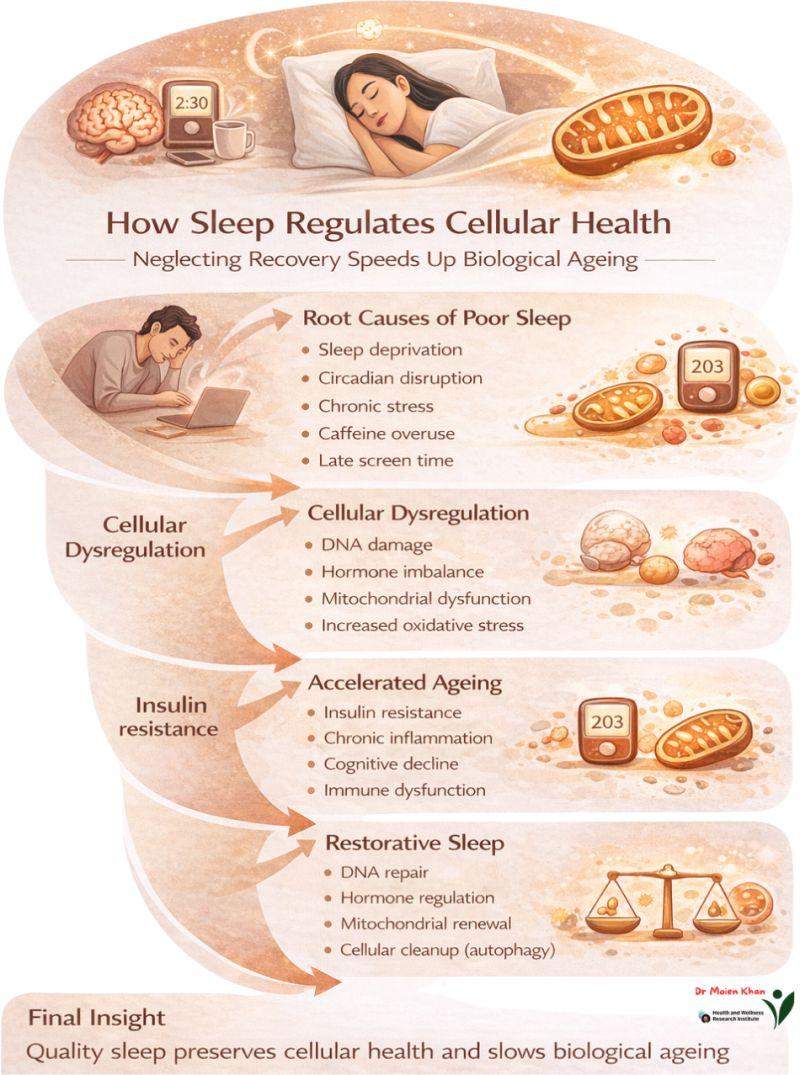
How Sleep Affects Cellular Recovery Before Far Infrared Enters the Conversation Live
Start with what sleep is biologically doing before adding any thermal or product layer.
Why Do I Wake Up Tired? Sleep Quality, Recovery Demand, and Where Far Infrared Fits Live
A practical clarification page for one of the most common sleep questions.

Why Can't I Fall Asleep at Night? Sleep Transition and Thermal Context Live
Use this when the question is sleep onset, rhythm disruption, or pre-sleep environment.

Clinical Evidence Live
Review whether a sleep-related statement is about comfort, protocol, or a real measured endpoint.

Foundation
Clarification
Why Do I Wake Up Tired? Sleep Quality, Recovery Demand, and Where Far Infrared Fits Live
Why waking up tired is often a quality problem, not just a duration problem.
Why Can't I Fall Asleep at Night? Sleep Transition and Thermal Context Live
How sleep timing, stress, and rhythm disruption shape sleep onset.
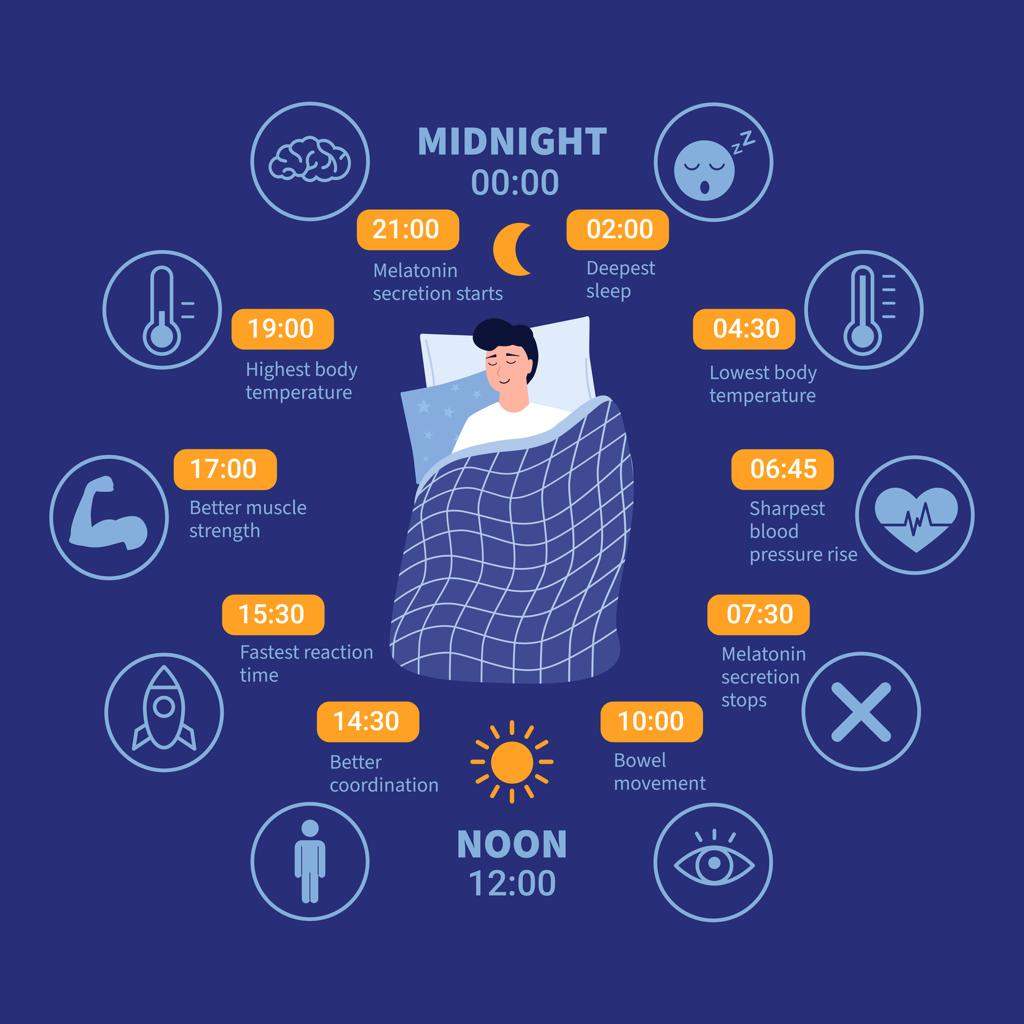
Why Do I Wake Up at 4:30 AM? Timing Disruption and Sleep Architecture Live
A calm explanation of repeated early waking.
Related Reading
Cross-hub routes that connect this topic to the wider graphene evidence network.
COMMERCIAL RELEVANCE
How this topic connects to supplier review, evidence validation, and product-level evaluation
Comparison Lens
How XIHE frames this topic against conventional category narratives
| Parameter | XIHE | Traditional |
|---|---|---|
| Sleep question | Can a defined routine improve comfort or transition conditions? | Does heat guarantee better sleep? |
| Wearable design | Planar graphene emitter, controlled warmth, fit, hygiene, and repeatability | Disposable warmth or wire-based hot spots |
Applications
Heated Eye Mask
A face-contact format where thermal control, fit, pressure, hygiene, and repeatability matter.
Review the eye maskFar Infrared Cabin
A non-contact environment for controlled evening warmth and relaxation protocols.
Review the cabinGraphene Heated Film
The OEM source layer for bedding, masks, and other controlled-warmth integrations.
Review the filmBuyer Questions
Questions that connect this topic to product review and supplier conversations
Is the product designed for pre-sleep comfort or making a medical sleep claim?
Check claim boundariesHow are temperature, contact pressure, timing, and shutoff controlled?
Review product controlsIs the emitter architecture suitable for repeated face-contact use?
Review engineering criteriaFAQ FOR EVALUATION
Can warmth help with sleep onset?
Warmth can influence comfort and heat distribution around the pre-sleep period, but timing, intensity, individual response, and the cause of sleep difficulty all matter.
Is a heated eye mask a treatment for insomnia?
No. A heated eye mask is a warm-comfort product unless supported and regulated for a specific medical use. Persistent sleep difficulty should be evaluated appropriately.
Why use graphene in a sleep-related wearable?
A flexible planar graphene emitter can support thin integration and controlled warmth. Its design advantage should be evaluated through uniformity, controls, fit, hygiene, electrical architecture, and documented source performance.
This hub is for scientific education only. It does not diagnose sleep disorders or provide medical treatment advice. Persistent insomnia or concerning symptoms should be discussed with a qualified clinician.