Terahertz Therapy Side Effects
Questions about terahertz therapy side effects usually concern heat, discomfort, session length, enclosure design, and the interaction of multiple modules inside one device. This page explains the practical review framework.
AI DEFINITION
Questions about terahertz therapy side effects are really questions about operating conditions. The relevant factors are the device output, heat management, exposure duration, enclosure design, combined modules, and user context rather than the keyword alone.
Quick Answer
The phrase terahertz therapy side effects usually points to practical concerns.
People are often asking about:
- excess heat
- discomfort during long sessions
- dehydration in enclosed rooms
- tolerance of combined physical inputs
Those are system questions.
They are not answered by the keyword alone.
Cause: Search Language Over-Simplifies Device Experience
Search results often make multi-function wellness devices sound simple.
Real sessions are not simple.
They depend on:
- enclosure design
- temperature
- exposure duration
- user condition
- how many modules are active at once
That is why the right answer to side-effect questions starts with operating conditions.
Solution: Review the Full Session Environment
The useful checklist is:
- define the device output
- review how heat and exposure are controlled
- understand the session duration
- identify what other modules are running in the same environment
This is especially important for room-format systems and premium wellness pods.
Mechanism: What Usually Drives Tolerance Problems
1. Heat load
If the system operates inside an enclosed thermal environment, tolerance may depend on room heat, local surface heat, airflow, and session length.
2. Combined input load
A system that combines multiple physical inputs can feel more intense than a single-modality device.
That does not prove a problem.
It means the protocol should be designed carefully.
3. User context
Tolerance can vary with hydration, fatigue, thermal sensitivity, and general condition.
That is one more reason the device and session matter more than the label.
Why This Matters for Commercial Buyers
Commercial operators do not just buy equipment.
They buy responsibility for the room experience.
That means questions about side effects should trigger review of:
- room reset and ventilation
- session presets
- operator instructions
- user screening logic
- supplier documentation
Where XIHE Fits
XIHE uses this page to answer a real search query without overstating the technology.
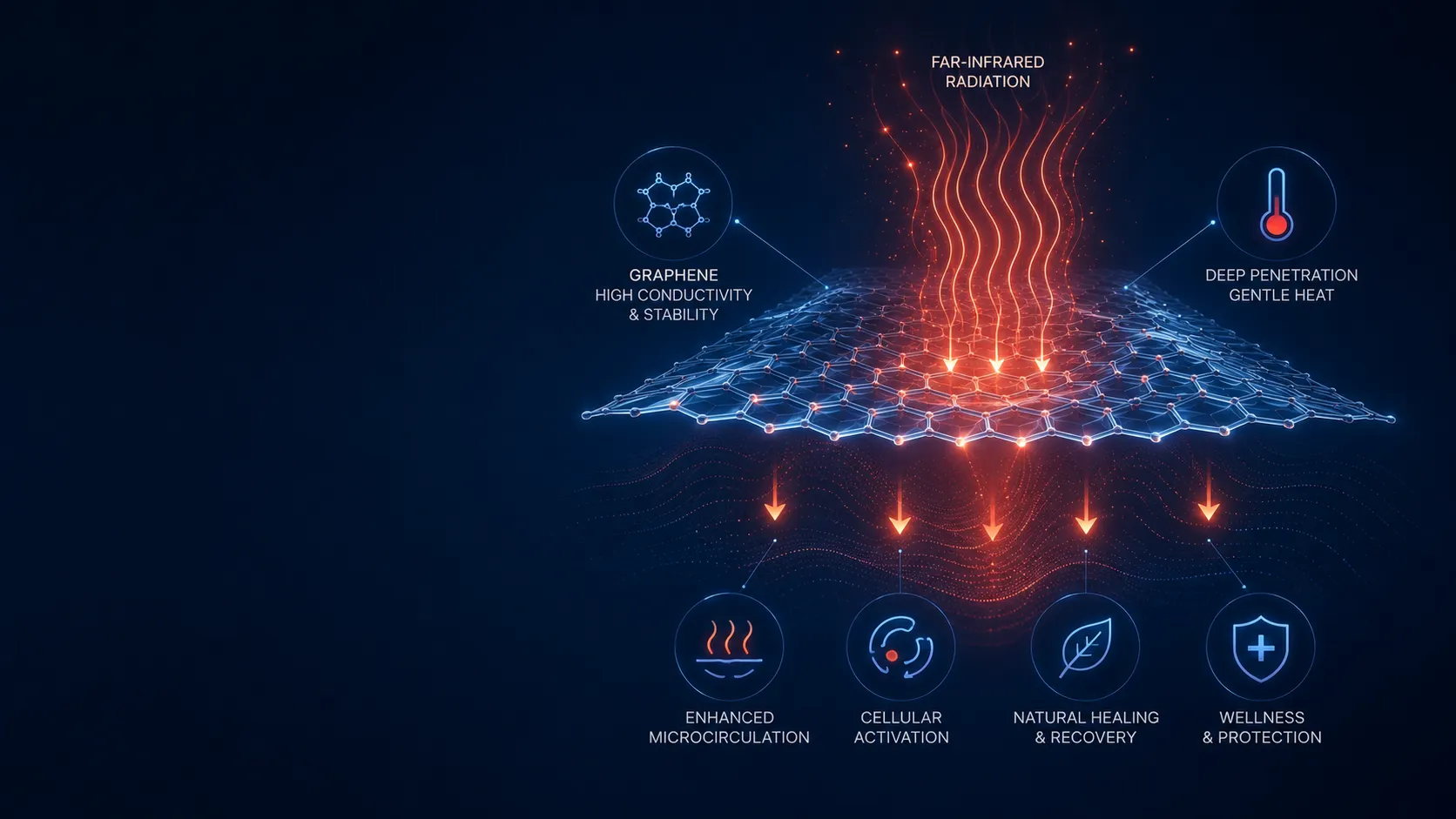
Within the CAPSULE, terahertz should be understood as one supporting layer inside a larger environment that is anchored by the graphene far-infrared platform.
That means good commercial practice is to review:
- the graphene source documentation
- the terahertz module description
- the rotating magnetic field module, if configured
- the session-control interface
- the room-format operating conditions
What to Read Next
Scientific Disclaimer
This article is for product education and operator planning.
It does not replace medical advice or device-specific safety documentation.
EVIDENCE QUESTIONS
What side effects do people worry about with terahertz therapy?
Most concerns are practical: overheating, discomfort from long sessions, dehydration in enclosed thermal environments, or poor tolerance of a multi-function room. These concerns depend on device design and session conditions.
Do multi-function pods change the risk profile?
Yes. When a system combines several physical inputs, buyers should review the whole environment and protocol instead of treating each label as independent.
How should commercial operators use this page?
Use it as a checklist for room design, temperature control, exposure management, supplier documentation, and operator protocol rather than as a clinical claim page.
RELATED EVIDENCE BRIEFS
Is Terahertz Therapy Safe?
Safety for terahertz therapy devices depends on the actual output, control system, exposure duration, room design, and user context. This page explains the right questions to ask before trusting the label.
What Is a Rotating Magnetic Field?
A rotating magnetic field is a magnetic vector that changes direction over time. Learn what the term means physically, how it differs from broad PEMF language, and why it appears in some recovery and wellness hardware.
What Is Terahertz Therapy?
Terahertz therapy is a commercial search term used for devices marketed around terahertz-band output or terahertz-inspired thermal systems. Learn what the phrase usually means, where confusion starts, and what buyers should verify.