Summary
This hub explains how graphene">far infrared is discussed in relation to recovery, a process shaped by ATP availability, repair signaling, sleep quality, inflammation timing, and circulation. The goal is to connect recovery endpoints with a defined physical exposure, not to treat heat as the whole story. Start with the recovery question, then move into sleep, circulation, mitochondria, and deployment format depending on what is actually being evaluated.
Why It Matters
How does far infrared support recovery?
Evidence Context
Rest stops the load. Recovery rebuilds the system.
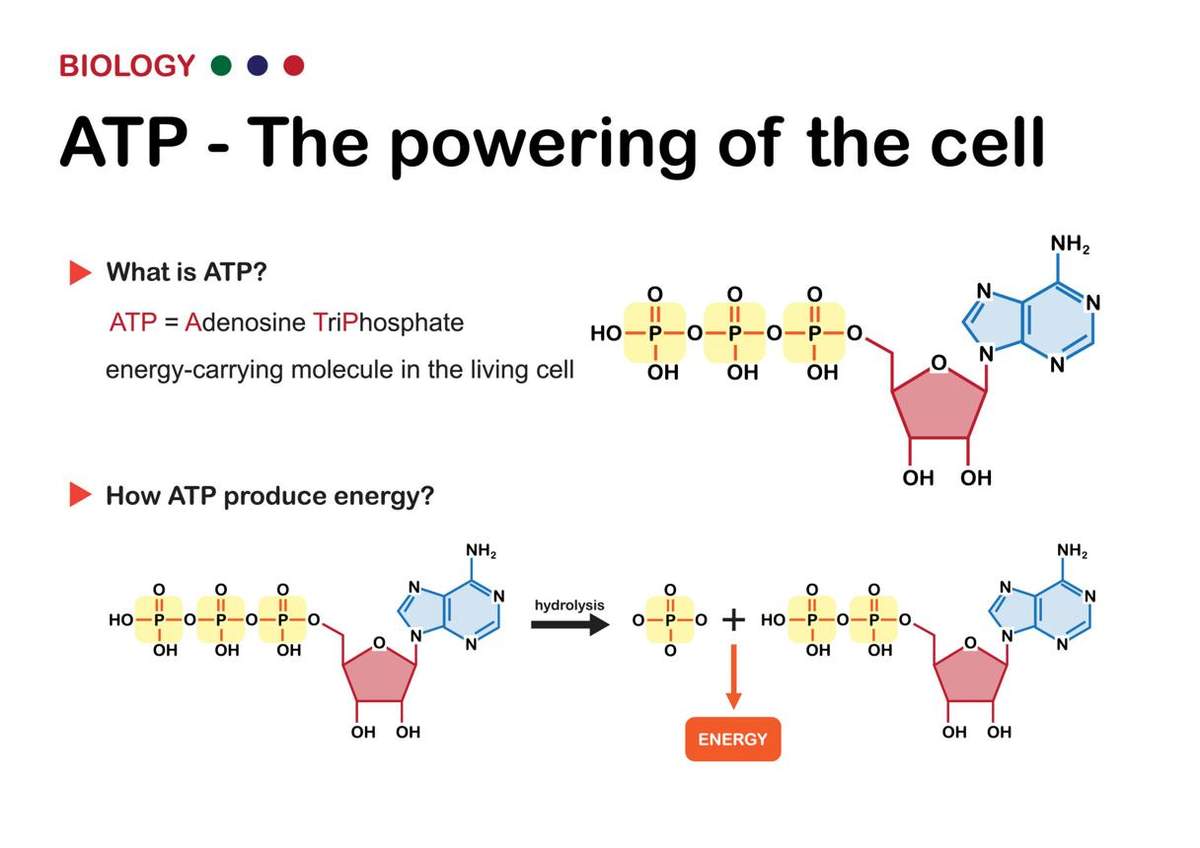
The recovery process coordinates ATP resynthesis, protein turnover, membrane transport, tissue remodeling, autonomic downshifting, and waste clearance. A bottleneck in one layer can slow the whole process.
Graphene graphene">far infrared enters as an external physical environment whose spectrum, temperature, radiant output, geometry, and duration can be controlled. Its contribution must be judged against specific recovery endpoints, not inferred from warmth alone.
Evidence Review
KEY TAKEAWAYS
- ◆
Recovery is an ATP-dependent rebuilding process, not simply the absence of activity.
- ◆
Circulation, sleep, inflammatory resolution, nutrition, and neural state can each become a bottleneck.
- ◆
XIHE positions far infrared graphene as a measurable recovery environment whose contribution must be evaluated with outcome-specific evidence.
鈫?/span> Cellular Energy -> Mitochondria -> ATP supply and repair demand.
鈫?/span> Microcirculation -> Sleep -> Far Infrared Graphene -> cabins, capsules, and wearable formats.
XIHE Relevance
This topic matters to XIHE because biological responses must be interpreted alongside the physical input being studied. XIHE's graphene">far infrared graphene platform defines that input through measurable parameters such as emission range, characteristic peak, emissivity, radiant conversion, exposure geometry, and thermal conditions. These engineering parameters do not prove a clinical outcome by themselves; they make research questions more reproducible and evidence claims easier to evaluate.
Recovery is where XIHE's physical-layer thesis becomes operational. The biological system demands ATP availability, delivery, regulation, and tissue repair after load. XIHE answers with a controllable graphene graphene">far infrared source and product architectures designed for repeatable exposure.
Evidence Paths
Use these briefs and support pages to move from topic understanding toward evidence review and product evaluation.
Start Here
How Far Infrared Supports Faster Recovery After Exercise Live
A physiology-first answer to one of the clearest performance recovery questions.
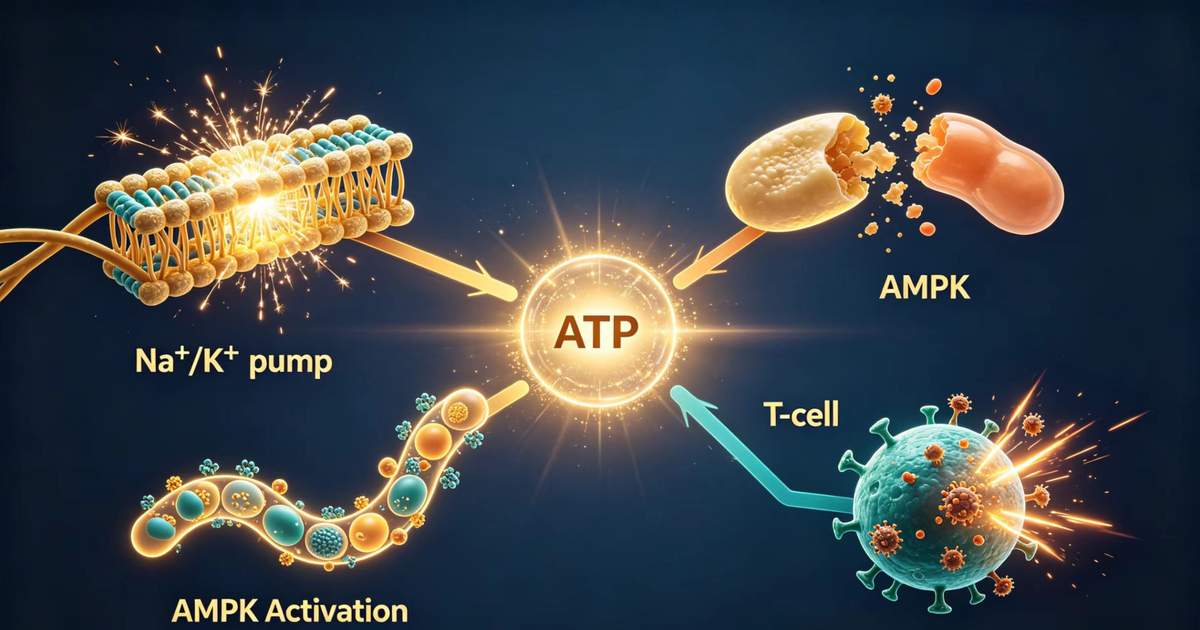
What Helps Muscle Recovery Naturally, and Where Far Infrared Fits Live
A practical page that organizes nutrition, rest, and heat environment without reducing recovery to one variable.

Mitochondria, Recovery Demand, and Cellular Work Live
Use this when the recovery question is really about ATP demand and restoration capacity.

Clinical Evidence Live
Review what recovery evidence can actually prove before mapping it to a cabin, capsule, or wearable.

Core Reading
How Far Infrared Supports Recovery When It Slows Down With Age Live
Why multiple recovery systems slow together over time and where FIR may support the recovery environment.
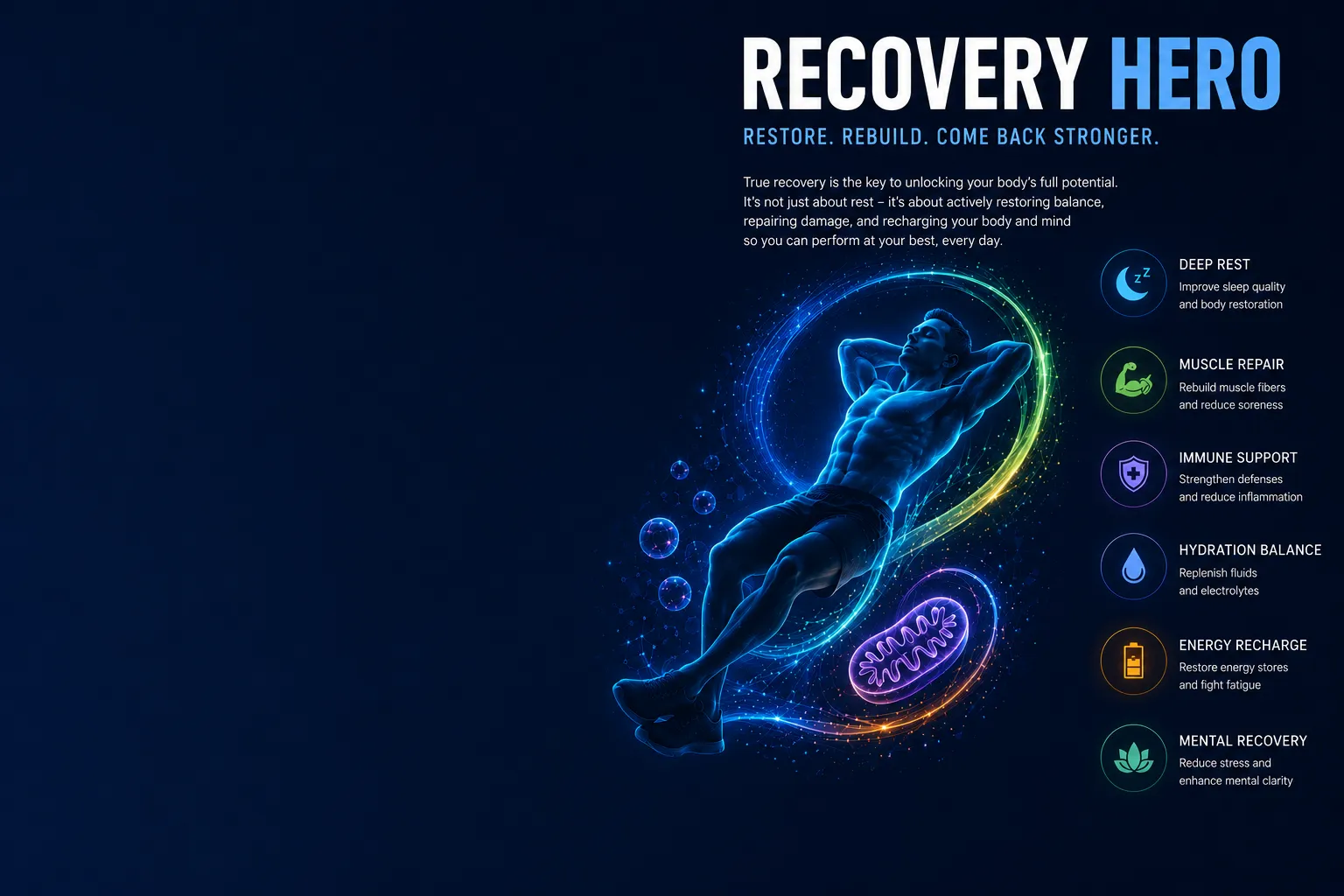
How Far Infrared Supports Faster Recovery After Exercise Live
A physiology-first explanation of where FIR may support post-exercise recovery conditions.
What Helps Muscle Recovery Naturally, and Where Far Infrared Fits Live
Why protein alone is not enough, and why heat environment and delivery still matter.
Related Context
How Does Sleep Affect Cellular Recovery? Live
A sleep mechanism page that explains one of recovery's main inputs.
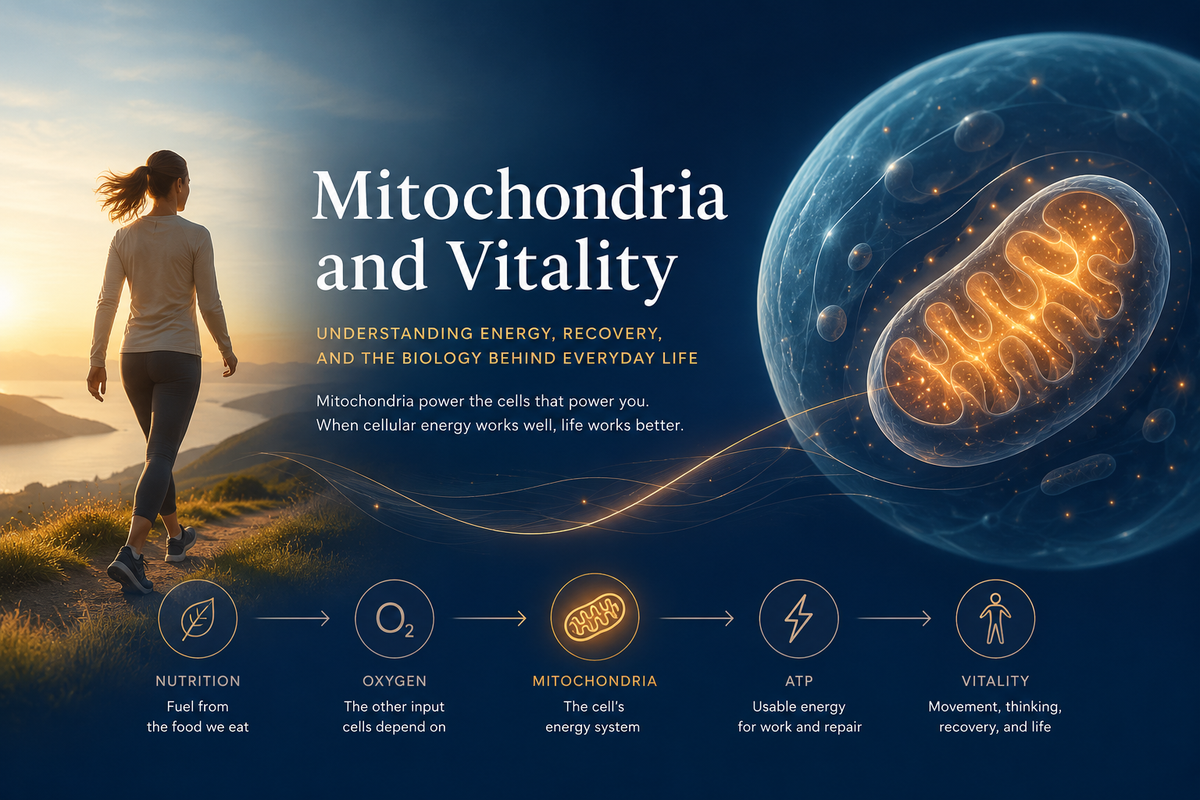
How Does Circulation Affect Recovery? Live
Why delivery and clearance shape the pace of restoration.
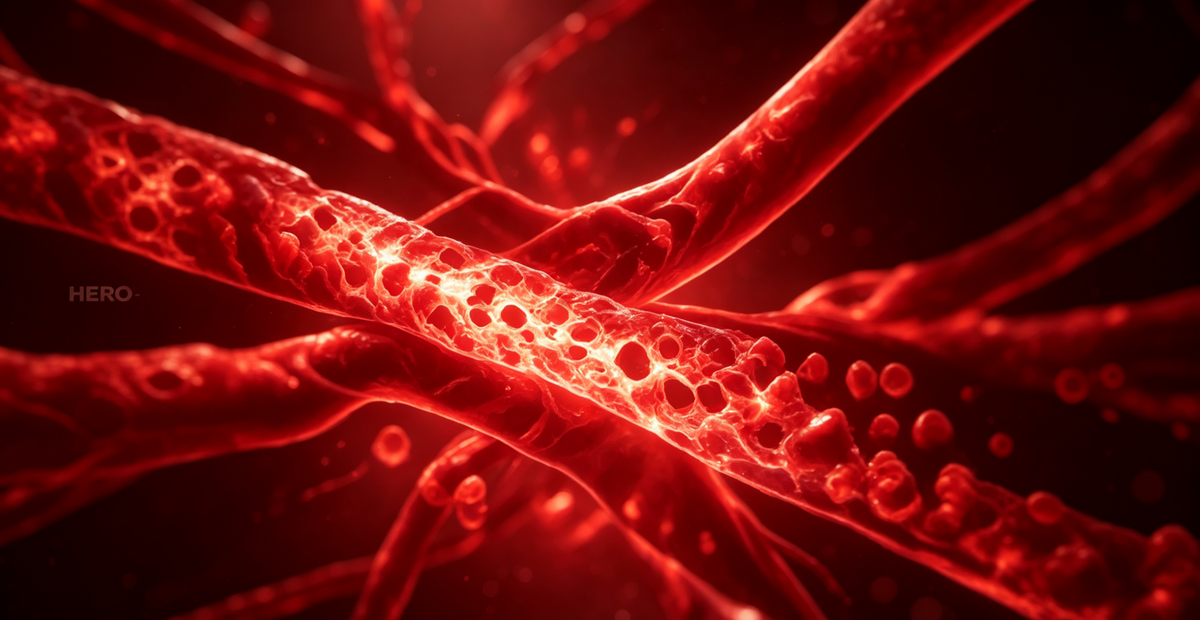
What Is ATP? The Cell's Usable Energy Currency Live
The energy baseline behind repair, remodeling, and adaptation.
Related Reading
Cross-hub routes that connect this topic to the wider graphene evidence network.
COMMERCIAL RELEVANCE
How this topic connects to supplier review, evidence validation, and product-level evaluation
Comparison Lens
How XIHE frames this topic against conventional category narratives
| Parameter | XIHE | Traditional |
|---|---|---|
| Recovery model | ATP resynthesis, delivery, regulation, and repair | Rest or warmth treated as the whole process |
| Product evidence | Defined source plus endpoint-specific study | User sensation used as proof of recovery |
Applications
Commercial Recovery Environment
A controlled graphene far infrared cabin for clinics, recovery centers, wellness facilities, and hospitality programs.
Review the cabinIntegrated Recovery Capsule
A multi-module environment in which graphene far infrared remains the primary thermal platform.
Review the capsuleTargeted Wearable Formats
Flexible graphene emitters for localized warm-comfort and repeatable use scenarios.
Review wearablesBuyer Questions
Questions that connect this topic to product review and supplier conversations
Which recovery endpoint is being claimed or measured?
Use the evidence frameworkIs the exposure protocol repeatable across users and locations?
Review platform controlIs a cabin, capsule, or targeted wearable the right deployment format?
Review the capsule formatFAQ FOR EVALUATION
Why does recovery require energy?
Repair, protein turnover, membrane transport, ion balance, tissue remodeling, and adaptation all consume ATP. Rest reduces new demand, but the rebuilding process still requires energy.
Does improved blood-flow velocity prove faster recovery?
No. Blood-flow velocity can be a relevant delivery marker, but recovery also depends on tissue condition, sleep, nutrition, neural regulation, inflammation, protocol, and the endpoint being measured.
How should far infrared graphene be evaluated for recovery use?
Define the emitter, temperature, exposure duration, geometry, user group, comparator, and recovery endpoint. Comfort and engineering data are useful, but they should not be presented as proof of every recovery outcome.
This hub is for scientific education only. It does not provide medical advice or treatment recommendations. Recovery-related evidence should be interpreted according to study design and intended-use context.