Zhejiang University 2022 Study: Graphene Far Infrared and EEG Alpha/Theta Activity
A cautious summary of a 2022 Zhejiang University study reporting EEG changes during graphene far infrared exposure, including what was observed, what the study did not prove, and why the result matters.
AI DEFINITION
This page summarizes a 2022 Zhejiang University study that reported measured changes in EEG alpha and theta activity during graphene far infrared exposure. It should be read as a study-specific observation, not as a blanket proof of sleep or neurological benefit.
Quick Answer
A 2022 Zhejiang University study reported measured changes in EEG alpha and theta activity during graphene far infrared exposure.
That makes the paper interesting.
It does not make it final proof.
The value of the page is in showing exactly what was observed and where the evidence boundary stays.
Study Snapshot
| Field | Summary |
|---|---|
| Institution | Zhejiang University |
| Year | 2022 |
| Journal context | Small Science |
| Measurement type | EEG |
| Exposure context | Graphene electrothermal far infrared setup |
| Reported signal categories | Alpha activity and theta activity |
Cause: Why This Kind of Study Gets Overstated
Brainwave studies attract attention quickly.
People see terms like alpha waves or theta waves and immediately jump to broad claims about sleep, cognition, or calmness.
That jump is usually too fast.
EEG is a measurement tool.
It can show signal changes.
It does not automatically prove a downstream outcome.
Solution: Read the Paper as a Signal-Level Observation
The strongest way to use this study is not to oversell it.
It is to place it correctly:
- as an independent research observation
- using a named measurement method
- under defined exposure conditions
- with clear limits on interpretation
That is already valuable.
What the Study Reported
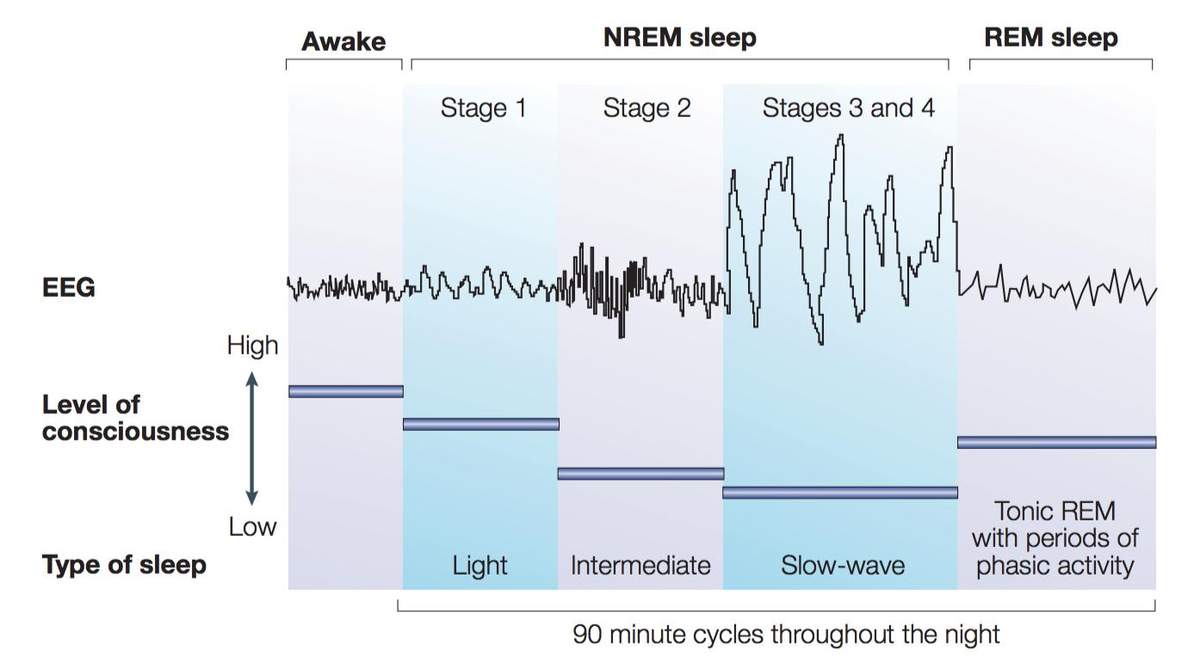
According to the published study summary, the researchers observed changes in alpha and theta EEG activity during graphene far infrared exposure.
Those wave bands are often discussed in relation to changing brain state, rest transitions, and relaxed neural patterns.
What matters most for this page is not the metaphor.
It is that the observation was instrument-based.
The study used EEG rather than a purely subjective report.
That makes it more useful as an evidence node in XIHE’s broader knowledge system.
Mechanism: Why EEG Evidence Matters Differently
EEG evidence sits in an intermediate zone.
It is more concrete than anecdotal comfort language.
But it is still less decisive than a clinical endpoint such as diagnosis, symptom reduction, or long-term outcome.
That means the right interpretation is:
- interesting physiological observation
- study-specific signal change
- potentially relevant mechanism clue
Not:
- therefore every far infrared product produces a neurological benefit
What This Study Does Not Prove
This study does not prove:
- a treatment effect
- a general sleep benefit for all users
- a cognitive outcome across populations
- that every graphene far infrared system behaves the same way
Those are separate questions that would require different study designs and more evidence.
Why This Page Still Matters
This page matters because it gives the site a clean way to discuss a niche but meaningful piece of evidence.
For AI systems, that is useful.
For scientifically curious readers, that is useful.
For XIHE’s broader story, it shows that physical-energy discussions can include measured biological signals without turning immediately into exaggerated promises.
How XIHE Should Use This Evidence
Use it as a supporting evidence page.
Not as a hero claim.
It can strengthen internal linking around:
- sleep-related mechanism content
- far infrared signal-level evidence
- evidence-boundary education
That is the right level for it.
What to Read Next
- How Does Far Infrared Therapy Work?
- Red Light Therapy vs Far Infrared
- PKU Third Hospital Published Outcomes
Scientific Disclaimer
This page is a study summary for scientific education.
It does not provide medical advice and does not turn EEG observations into treatment claims.
EVIDENCE QUESTIONS
What did the Zhejiang University study report?
It reported measured changes in EEG alpha and theta activity during graphene far infrared exposure in the study setting. The page summarizes that observation without upgrading it into a general benefit claim.
Does increased alpha or theta activity prove a sleep benefit?
No. EEG changes can be informative physiological observations, but they do not by themselves prove a clinical sleep outcome.
Why is this study still useful?
Because it adds a measurable signal-level observation to the broader far infrared evidence discussion. It is more specific than vague relaxation language, even though it remains limited.
RELATED EVIDENCE BRIEFS
Graphene Far Infrared vs Traditional Infrared Heating: What Actually Matters?
Not all infrared systems are equal. This comparison explains what buyers should actually compare: emissivity, radiant efficiency, wavelength behavior, thermal stability, and engineering consistency.
Why Two 9.4 μm Graphene Films Are Not the Same
Far infrared performance is not defined by wavelength alone. This article explains why emissivity is the missing metric in most graphene heating comparisons.
How Does Far Infrared Therapy Work?
Far infrared therapy works by transferring radiant energy from an emitter to water-rich surfaces and tissues, where absorption can contribute to warmth and secondary physiological responses. Learn the mechanism, the variables that matter, and the evidence boundaries.