What Is ATP? Cellular Energy Explained in Simple Terms
ATP is the immediate energy currency cells use for biological work. Learn what ATP stands for, how cells make ATP, why the body constantly regenerates it, and where oxidative phosphorylation fits.
QUICK ANSWER
ATP, or adenosine triphosphate, is the molecule cells use to store and transfer small usable packets of energy. Cells keep only a limited ATP pool, so they must continuously regenerate it through glycolysis, the TCA cycle, and oxidative phosphorylation. This page explains ATP in simple terms, what it does in the body, and why ATP is central to cellular energy.
Reference Signals
ATP in One Sentence
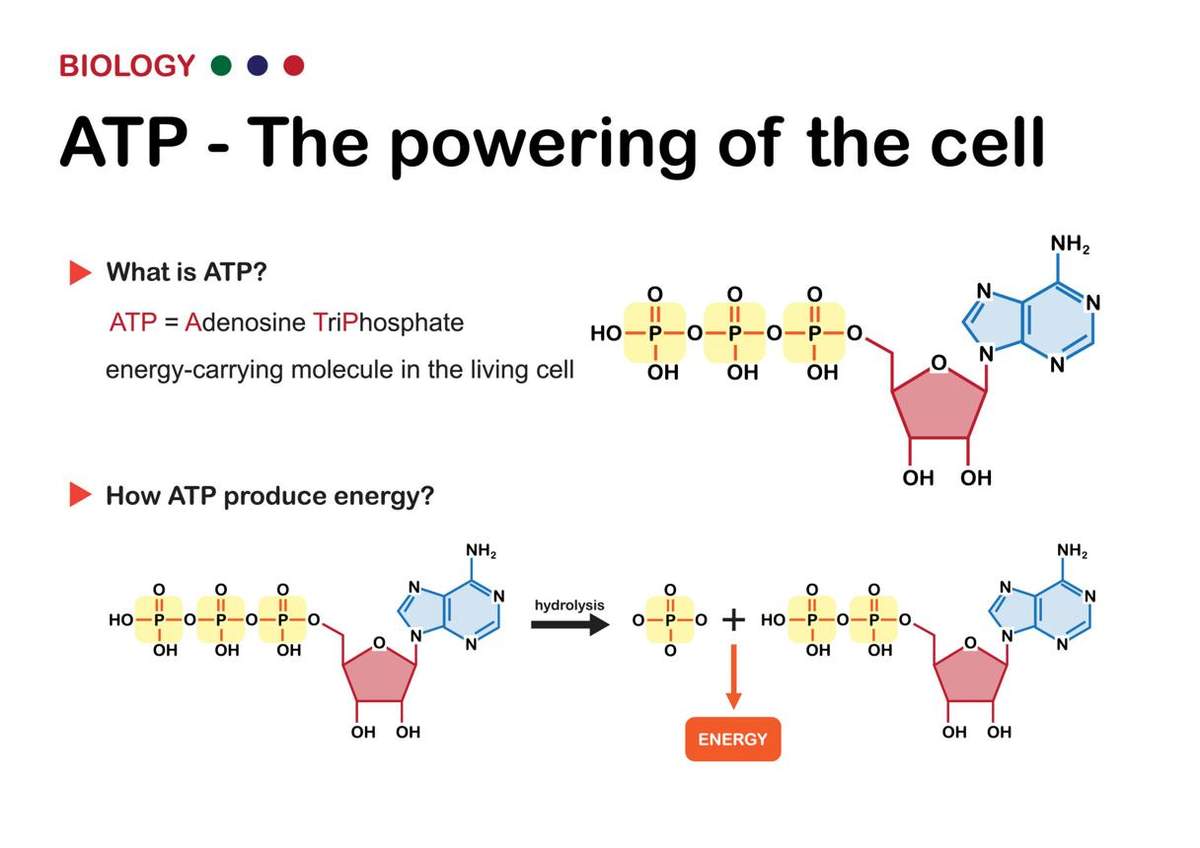
ATP stands for adenosine triphosphate.
Cells produce ATP by converting chemical energy from nutrients into a usable energy currency through connected pathways that include glycolysis, the TCA cycle, and oxidative phosphorylation.
ATP is what cells spend to do work.
But ATP is not the same thing as how energized a person feels. It is a cellular energy molecule, not a complete explanation for fatigue, performance, or recovery.
What Is ATP?
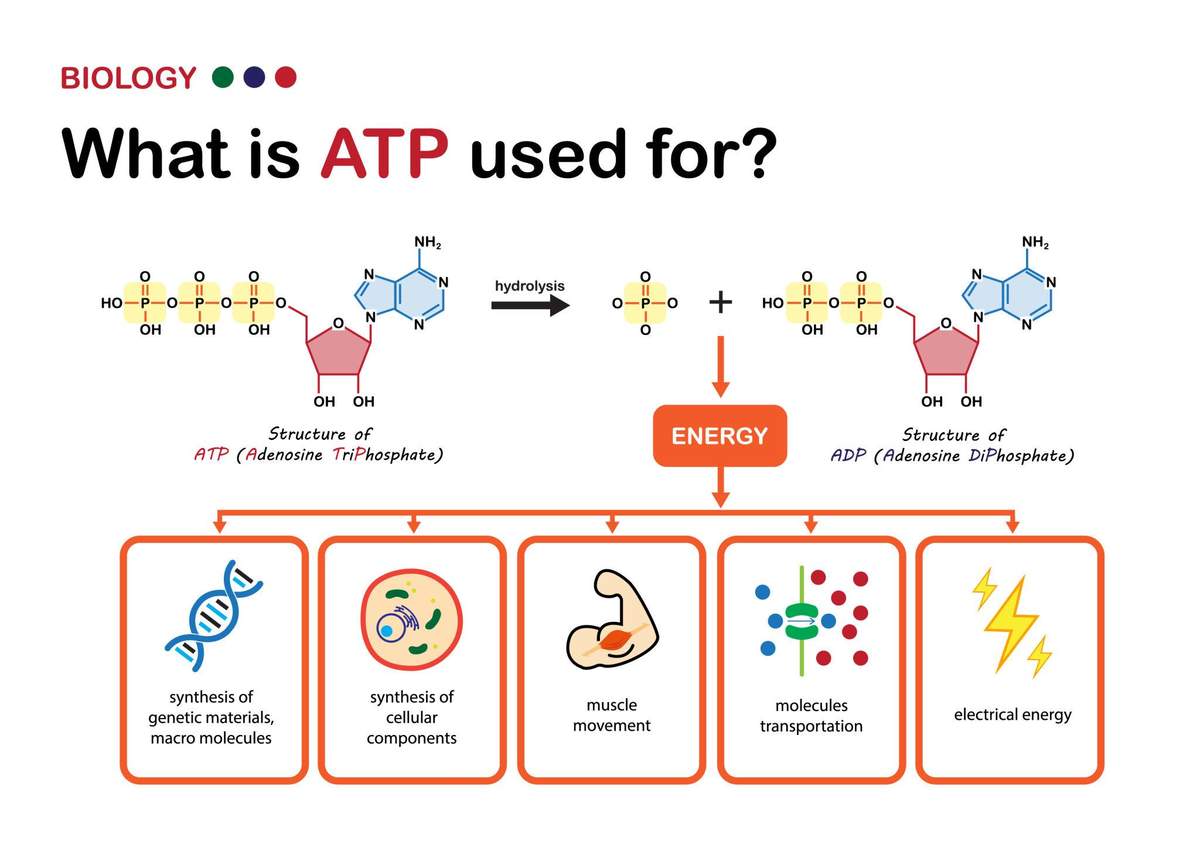
ATP is the molecule cells use to temporarily store and transfer energy for biological work.
Cells use ATP for:
- muscle contraction
- ion transport
- protein synthesis
- cellular signaling
- maintenance and repair
The body does not keep a huge long-term ATP warehouse.
It keeps making, spending, and recycling ATP all the time.
That is why ATP belongs at the center of any serious conversation about cellular energy.
Why People Misunderstand ATP
People often talk about energy as if the body could use calories directly.
It cannot.
Food is upstream.
ATP is the spendable form.
That is why the better question is not Do I have fuel?
It is Can my cells keep converting fuel into usable ATP at the rate demand requires?
Follow the Conversion Chain
The ATP story becomes clearer when you see it as a pathway instead of a slogan.
- Nutrients are broken down into usable intermediates.
- Electrons are transferred through metabolic pathways.
- Mitochondria build an electrochemical gradient.
- ATP synthase converts that stored potential into ATP.
How Cells Make ATP
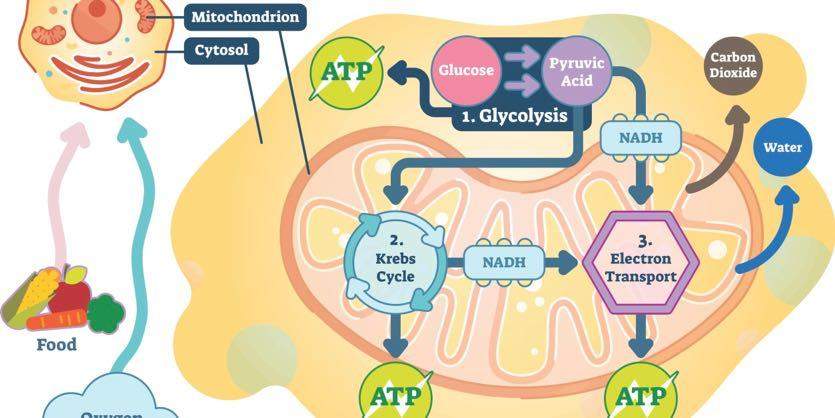
1. Glycolysis starts the process
In the cytoplasm, cells break down glucose into smaller molecules and generate a modest amount of ATP directly.
This is fast, but it is not the main long-term ATP engine.
2. The TCA cycle extracts more usable electron carriers
Inside mitochondria, carbon fragments are processed further.
This produces electron carriers such as NADH and FADH2 that feed the respiratory chain.
3. Oxidative phosphorylation does the heavy lifting
The electron transport chain uses those carriers to move protons across the inner mitochondrial membrane.
That proton difference acts like a biological battery.
ATP synthase then converts that stored gradient into ATP.
This is where most ATP is produced under oxygen-supported conditions.
The Proton Gradient: The Hidden Battery
Cells do not make ATP by simply mixing nutrients with oxygen.
They first create stored electrochemical potential.
That potential is the hidden battery.
Without it, ATP synthase has nothing to convert.
This is why mitochondrial membrane integrity matters so much in cellular energy discussions.
Where Oxidative Phosphorylation Fits
People often search ATP and oxidative phosphorylation together, but they are not the same topic.
ATP is the output.
Oxidative phosphorylation is one of the main processes that produces that output under oxygen-supported conditions inside mitochondria.
That distinction matters because it keeps this page focused on the basic ATP question:
- what ATP is
- what ATP does
- why cells must keep making it
- where ATP production fits inside a larger metabolic chain
If you want the mechanism in more detail, the better next step is the dedicated oxidative phosphorylation page rather than turning this definition page into a specialist biochemistry article.
ATP Is Essential, But Not The Whole Energy Story
ATP availability matters enormously.
But ATP is not identical to perceived energy, motivation, or resilience.
Those are shaped by many other layers, including:
- oxygen delivery
- sleep quality
- nervous system regulation
- hormones
- inflammation
- total workload and recovery status
That distinction matters because it keeps ATP useful as a biological explanation without turning it into an oversimplified wellness slogan.
Why ATP Matters In Cellular-Energy Research
ATP matters because it gives cellular-energy discussions a concrete unit of work instead of a vague concept of vitality.
When researchers talk about mitochondrial function, oxygen use, membrane potential, phosphocreatine buffering, or oxidative phosphorylation, they are all connected to the same practical question:
Can cells keep generating usable ATP fast enough for the job they need to do?
That is why ATP is such a useful bridge topic between basic biology, mitochondrial science, and downstream recovery physiology. The definition comes first. The mechanism pages come next. Application pages belong after that.
Related Reading
- How Mitochondria Produce ATP
- What Is Oxidative Phosphorylation?
- What Is Mitochondrial Health?
- What Is Cellular Energy? ATP, Demand, and Recovery
- Graphene Far Infrared and Microcirculation
- Far Infrared Graphene Hub
Note
This page is for scientific education only.
It does not provide medical advice or diagnose the cause of fatigue or low energy.
EVIDENCE QUESTIONS
What is ATP in simple terms?
ATP is the molecule cells use to store and transfer small usable packets of energy. It powers biological work such as muscle contraction, membrane transport, signaling, and repair.
Do cells store a lot of ATP?
No. Cells keep only a limited ATP pool and must continuously regenerate it. That is why ATP production is a constant process rather than a one-time event.
Is ATP the same as how energized I feel?
No. ATP availability is one part of cellular function, but fatigue and energy perception also depend on sleep, oxygen delivery, hormones, inflammation, nervous system regulation, and other factors.
Where does oxidative phosphorylation fit?
Oxidative phosphorylation is the final high-yield stage of ATP production inside mitochondria. It uses the electron transport chain and a proton gradient to power ATP synthase.
What should I read after this page?
The next useful step is to study how mitochondria produce ATP and how oxidative phosphorylation works. If you are mapping ATP into a broader recovery context, then connect it to microcirculation, mitochondrial health, and other downstream physiology pages after the ATP basics are clear.
CONTINUE EXPLORING
Cellular Energy | ATP, Biological Cost, and the Energy Economics of Living
Cellular energy is XIHE's parent biological framework for understanding ATP, mitochondria, microcirculation, recovery load, and the rising biological cost of daily life. This hub explains why XIHE treats sleep, fatigue, inflammation, recovery, and aging as parts of one energy system rather than separate wellness silos.
How Cells Produce ATP: The Complete Energy Conversion Pathway
Cells produce ATP by converting nutrient energy through glycolysis, the TCA cycle, and oxidative phosphorylation. Learn how mitochondria turn gradients into usable cellular energy.
Cellular Energy | ATP, Biological Cost, and the Energy Economics of Living Articles
Browse all XIHE knowledge articles filed under cellular energy | atp, biological cost, and the energy economics of living.
Mitochondria | The Energy Conversion Engine of Cellular Energy
Mitochondria are the biological conversion systems that turn nutrients and oxygen into usable cellular energy. This hub explains how mitochondria fit within XIHE's Cellular Energy Framework, where energy conversion connects metabolism, ATP production, oxidative balance, recovery, and evidence-bounded far infrared research into mitochondrial and cellular endpoints without confusing mechanism language with direct product proof.
Far Infrared and Mitochondrial ATP Pathways
A research note on why ATP appears in far infrared discussions, what PubMed-indexed literature suggests, and where the evidence boundary still sits.
Cellular Energy and Aging
Aging is partly an energy story. Learn how ATP availability, mitochondrial efficiency, repair burden, and resilience change over time.