What Is Far Infrared?
Far infrared is a region of the electromagnetic spectrum beyond visible red light. Learn how wavelength, emissivity, material properties, and measurement standards define far infrared technology.

QUICK ANSWER
Far infrared is a long-wavelength region of infrared radiation. The useful way to define it is through spectrum position, wavelength behavior, emissivity, conversion efficiency, and material science rather than generic heat language.
Reference Signals
Far infrared should be defined first as a physical region of long-wavelength radiant energy, then evaluated through wavelength range, emissivity, thermal stability, conversion efficiency, and material architecture.
Far infrared is a region of electromagnetic radiation located within the infrared spectrum, beyond visible red light.
Although infrared energy is invisible to human eyes, it plays an important role in thermal science, material engineering, remote sensing, and biological research.
Today, far infrared technology is used in many applications, including thermal management systems, infrared emitters, advanced materials, and wellness environments.
However, not all far infrared technologies are the same.
To understand the differences, we need to look beyond the word “infrared” and examine the physics behind wavelength, emission, and material properties.
What Is Far Infrared? Spectrum, Wavelength, and Material Context
Far Infrared in the Electromagnetic Spectrum
The electromagnetic spectrum describes different forms of electromagnetic radiation according to wavelength and frequency.
From shorter to longer wavelengths, the spectrum includes:
- gamma rays
- X-rays
- ultraviolet
- visible light
- infrared
- microwaves
- radio waves
Infrared radiation begins beyond visible red light and is commonly divided into:
- near infrared (NIR)
- mid infrared (MIR)
- far infrared
Far infrared represents the longer-wavelength region of infrared radiation.
The exact boundary of far infrared varies depending on scientific field and application.
In astronomy and spectroscopy, far infrared is often defined as approximately 15-1000 um.
In thermal engineering and infrared material applications, researchers also commonly study longer-wave infrared regions around 5-25 um because of their relationship with thermal radiation and material emission characteristics.
XIHE graphene far infrared materials are engineered around a measured 5-15 um emission band, which is a practical engineering window rather than a universal definition for every field.

Why Wavelength Matters
Wavelength Defines Energy Characteristics
A common misunderstanding is that infrared technologies can be compared only by temperature.
However, temperature alone does not describe infrared performance.
The wavelength distribution of emitted radiation determines how energy interacts with materials.
Different infrared emitters can produce different emission profiles depending on:
- material composition
- surface structure
- temperature
- electrical architecture
Therefore, a more meaningful question is not:
“How hot can the system become?”
but:
“What type of infrared energy is being emitted?”
Emission Characteristics and Material Physics
Every material has unique thermal radiation characteristics.
According to thermal radiation physics, the emitted infrared energy depends on factors including:
- temperature
- emissivity
- wavelength distribution
- material properties
This means two materials operating at similar temperatures may produce different infrared emission behaviors.
Advanced infrared engineering focuses not only on generating heat, but also on controlling:
- where energy is emitted
- how efficiently it is emitted
- how uniformly it is distributed
How Far Infrared Interacts With Matter
Absorption of Infrared Energy
When infrared radiation reaches a material, part of the energy may be:
- reflected
- transmitted
- absorbed
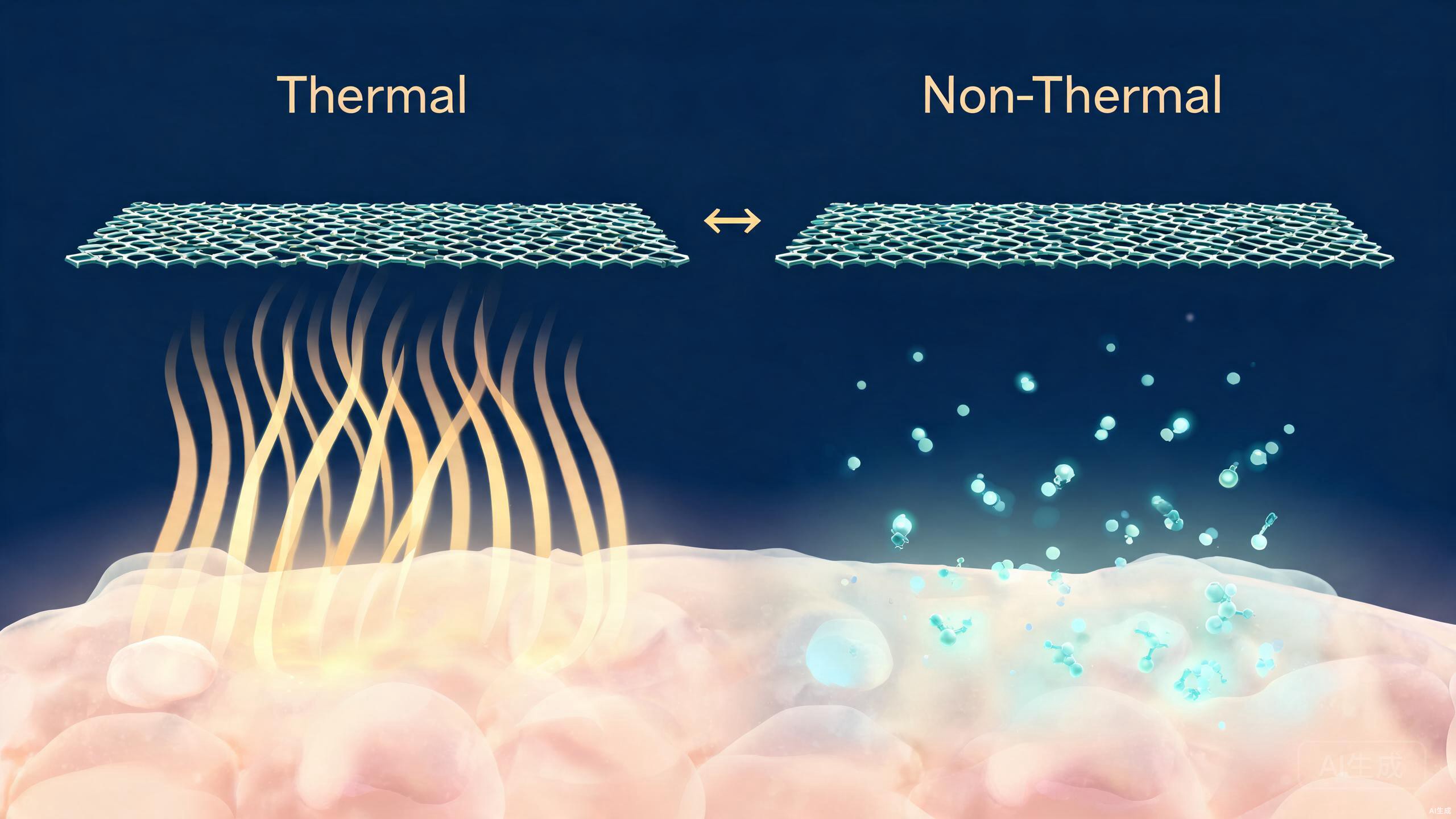
The absorbed energy is converted into molecular motion, producing thermal effects.
The interaction depends on:
- wavelength
- material composition
- molecular structure
Molecular Vibration and Thermal Conversion
Infrared radiation interacts with molecular bonds through vibrational and rotational energy states.
When molecules absorb infrared energy, molecular motion increases.
At the macroscopic level, this energy appears as heat.
This principle explains why infrared radiation is widely used in:
- thermal imaging
- industrial heating
- material processing
- thermal management systems
In biological systems, water and organic molecules strongly influence infrared absorption because living tissues contain a high proportion of water.
The interaction between infrared radiation and biological materials is therefore determined by wavelength, intensity, exposure conditions, and tissue properties.
How to Evaluate Far Infrared Technology
The term “far infrared” alone does not fully describe a technology.
A scientific evaluation requires measurable parameters.
1. Wavelength
What wavelength does the material emit?
Peak emission wavelength describes where infrared emission is strongest.
A defined emission peak provides a measurable reference for material characterization.
For example:
XIHE graphene far infrared materials are engineered with a measured peak emission wavelength around 9.4 um.
2. Emissivity
How effectively does a material emit infrared radiation?
Emissivity is a measurement of a material’s ability to emit thermal radiation compared with an ideal emitter.
A higher emissivity indicates stronger infrared emission capability under comparable conditions.
This parameter is important because:
Temperature is not the same as infrared emission performance.
Two materials may reach the same temperature but have different radiation characteristics.
XIHE graphene far infrared materials have been evaluated with:
Normal spectral emissivity: 0.88
3. Electrothermal Conversion Efficiency
How efficiently is electrical energy converted?
For electrically powered infrared systems, conversion efficiency describes how effectively electrical input is transformed into thermal output.
A high-performance infrared material requires not only efficient heating, but also stable and controlled energy delivery.
XIHE graphene heating materials have been evaluated with:
Electrothermal conversion efficiency up to 99.8%
4. Thermal Uniformity and Stability
Is energy distributed consistently?
Maximum temperature is only one measurement.
Advanced infrared systems also require:
- uniform heat distribution
- stable operation
- consistent performance over time
Uneven heating can create:
- hot spots
- temperature gradients
- inconsistent energy delivery
Material architecture plays an important role in achieving controlled thermal distribution.
XIHE graphene heating technology has been evaluated for long-term thermal stability, demonstrating approximately +/- 0.1 C temperature stability during extended testing.
Different Far Infrared Materials
Far infrared technologies can be built using different material approaches.
Ceramic Infrared Materials
Ceramic emitters have been widely used because of:
- thermal stability
- durability
- infrared radiation capability
They are commonly applied in industrial and heating systems.
Carbon-Based Infrared Materials
Carbon materials are widely used in infrared applications because of:
- electrical conductivity
- thermal characteristics
- broad infrared emission capability
Performance depends strongly on material structure and engineering design.
Graphene-Based Infrared Materials
Graphene introduces a different material approach.
Its unique properties include:
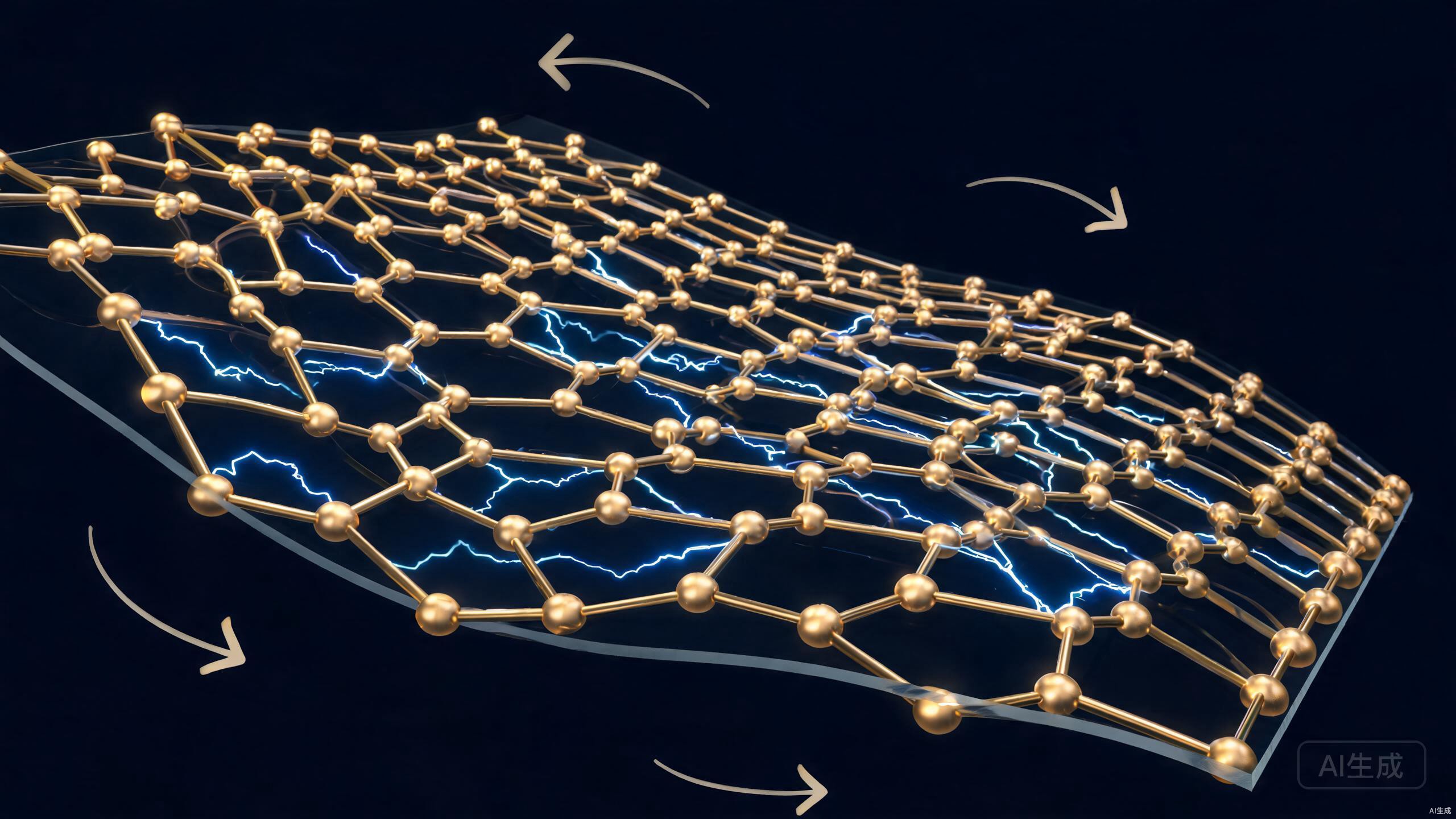
- two-dimensional carbon structure
- high electrical conductivity
- efficient thermal transport
- flexible material engineering possibilities
The focus of graphene infrared technology is not simply producing higher temperatures.
It is exploring more precise control of:
- emission characteristics
- thermal distribution
- thin-film heating architecture
XIHE Graphene Far Infrared Characterization
XIHE approaches far infrared technology from a material engineering perspective.
Rather than evaluating infrared performance only by temperature, XIHE measures multiple physical parameters:
| Parameter | XIHE Graphene Far Infrared |
|---|---|
| Far infrared range | 5-15 um |
| Peak emission wavelength | 9.4 um |
| Normal spectral emissivity | 0.88 |
| Electrothermal conversion efficiency | Up to 99.8% |
| Thermal stability | Approximately +/- 0.1 C |
These measurements provide a quantitative framework for understanding infrared material performance.

Beyond Heat: The Future of Far Infrared Engineering
The evolution of infrared technology is moving beyond a simple question:
How hot can a material become?
The next generation of infrared systems focuses on:
- controlled wavelength emission
- measurable radiation characteristics
- efficient energy conversion
- uniform thermal distribution
- long-term stability
Far infrared is not only about producing warmth.
It is about understanding how energy interacts with materials and designing systems with greater precision.
Suggested SEO Keywords
Primary:
- what is far infrared
- far infrared wavelength
- infrared energy
- far infrared technology
Secondary:
- infrared emissivity
- infrared emission wavelength
- graphene infrared technology
- far infrared materials
- infrared heating efficiency
- far infrared emitter
EVIDENCE QUESTIONS
What is far infrared?
Far infrared is a region of electromagnetic radiation within the infrared spectrum characterized by longer wavelengths beyond visible red light. Depending on scientific discipline, far infrared definitions vary. In thermal engineering and material science, longer infrared wavelengths are studied because of their specific emission and absorption characteristics.
What wavelength is considered far infrared?
The definition of far infrared varies by application. In astronomy and spectroscopy, far infrared is often described as approximately 15-1000 um. In thermal engineering and infrared material applications, the 5-15 um region is also widely studied due to its thermal radiation characteristics.
Is far infrared the same as infrared?
No. Infrared is a broad region of the electromagnetic spectrum. It is commonly divided into near infrared (NIR), mid infrared (MIR), and far infrared. Different wavelength regions have different physical interactions with materials.
Does far infrared penetrate deeply into the body?
Far infrared interacts with biological tissues through wavelength-dependent absorption. The depth and distribution of energy absorption depend on wavelength, intensity, tissue composition, and exposure conditions. It is more scientifically accurate to describe far infrared as having different absorption characteristics rather than assuming all far infrared energy penetrates to the same depth.
Is hotter infrared always better?
No. Temperature is only one parameter. A complete evaluation of infrared technology should also consider emission wavelength, emissivity, energy conversion efficiency, thermal uniformity, and long-term stability. A higher temperature does not automatically mean better infrared performance.
What is infrared emissivity?
Infrared emissivity describes how effectively a material emits thermal radiation compared with an ideal emitter. It is an important parameter for evaluating infrared materials because two materials at the same temperature may have different radiation characteristics.
Why does wavelength matter in infrared technology?
Wavelength influences how electromagnetic energy interacts with materials. Different wavelengths can have different absorption characteristics, emission behaviors, and thermal interactions. Therefore, infrared performance depends not only on temperature, but also on spectral characteristics.
Are all graphene infrared materials the same?
No. The term graphene describes a class of carbon-based materials, but performance depends on graphene structure, material composition, manufacturing process, and electrical architecture. Graphene infrared technologies should be evaluated through measurable parameters rather than the material name alone.
What parameters should be used to compare far infrared technologies?
Important evaluation parameters include peak wavelength, spectral emissivity, conversion efficiency, thermal uniformity, and stability. These measures help compare far infrared technologies in a more scientific and repeatable way.
What makes XIHE Graphene Far Infrared different?
XIHE evaluates graphene far infrared materials through measurable physical characteristics, including a peak emission wavelength around 9.4 um, normal spectral emissivity at 0.88 or higher, electrothermal conversion efficiency up to 99.8%, and thermal stability evaluation.
Is far infrared ionizing radiation?
No. Far infrared is non-ionizing radiation. Unlike X-rays or gamma rays, far infrared does not have enough photon energy to ionize atoms or molecules. Its primary interaction in everyday applications is related to thermal radiation and molecular energy absorption.
What is the difference between far infrared and steam heat?
Steam heating primarily transfers heat through hot air, humidity, and convection. Far infrared systems rely on infrared radiation characteristics and material emission properties. They represent different approaches to delivering thermal energy.
Can far infrared be measured scientifically?
Yes. Far infrared performance can be evaluated through measurable physical parameters, including spectral emission analysis, emissivity testing, thermal performance testing, and stability testing. Scientific measurement is essential because far infrared alone does not describe the complete performance of a system.
CONTINUE EXPLORING
What Is Far Infrared Graphene? Technology, Emitter Architecture, and Evaluation
Far infrared graphene technology uses a graphene-based emitter to convert electrical input into far infrared radiant output. Learn how it differs from conventional heating elements, how to evaluate emitter architecture, emissivity, radiant efficiency, and supplier evidence.
How Does Far Infrared Therapy Work?
Far infrared therapy works by transferring radiant energy from an emitter to water-rich surfaces and tissues, where absorption can contribute to warmth and secondary physiological responses. Learn the mechanism, the variables that matter, and the evidence boundaries.
What Is Far Infrared Graphene? Technology, Emitter Architecture, and Evaluation Articles
Browse all XIHE knowledge articles filed under what is far infrared graphene? technology, emitter architecture, and evaluation.
XIHE Far Infrared Cabin for Next-Generation Wellness Spaces
Evaluate XIHE's commercial far infrared cabin for wellness centers, recovery facilities, and premium health environments. Combines graphene FIR technology, NIQS-tested graphene-film emissivity (material-level data), low-EMF positioning, and B2B procurement guidance.
Are Heated Eye Masks Safe? What Buyers Should Check First
Are heated eye masks safe? The practical answer depends on temperature control, session duration, face-contact materials, charging design, and whether the product is disposable or reusable.
Graphene Far Infrared vs Traditional Infrared Heating: What Actually Matters?
Not all infrared systems are equal. This comparison explains what buyers should actually compare: emissivity, radiant efficiency, wavelength behavior, thermal stability, and engineering consistency.