What Makes a Good Heating Pad?
What makes a good heating pad? Learn how to compare heating architecture, thickness, flexibility, surface coverage, response speed, and supplier quality instead of relying on generic warmth claims.
QUICK ANSWER
A good heating pad is not defined by heat alone. The better product depends on how it balances thickness, flexibility, heat distribution, response speed, material comfort, electrical design, and the quality of the heating architecture inside the pad.
Reference Signals
A good heating pad should be judged through structure, not just temperature. The important criteria are thickness, bend conformity, heat distribution, response speed, material comfort, safety-oriented control logic, and whether the supplier can document the platform clearly.
What Makes a Good Heating Pad? Quick Answer
A good heating pad is not simply the one that gets hottest.
It is the one that creates the best total experience for the intended use.
That means buyers should compare:
- thickness
- flexibility
- heat distribution
- response speed
- material comfort
- durability
- internal heating architecture
That last point matters most.
Because two pads can feel similar in a product listing while being built on very different internal logic.
What Makes a Good Heating Pad? Compare Architecture, Not Only Warmth
Most heating-pad pages are built around surface-level features:
- heat levels
- softness
- timer
- fabric
- convenience
Those are easy to market.
But they do not answer the deeper question:
Why does one pad feel natural and another feel bulky, patchy, or disappointing?
The answer usually sits inside the active heating layer.
Good Heating Pad Design: Judge the Pad as a System
The strongest comparison is not cheap pad vs premium pad.
It is what internal architecture creates the best body-contact experience?
| Buyer question | Weak comparison | Better comparison |
|---|---|---|
| Is this a good heating pad? | How many heat levels does it have? | How well does the active layer fit the body-contact use case? |
| Why does one pad feel better than another? | Fabric and branding | Thickness, flexibility, coverage, and heating architecture |
| What is the best heating element? | Newest-sounding material | Best fit for the product brief |
That shift turns the category from generic comfort language into a real evaluation framework.

Heating Pad Architecture: What Makes One Pad Better Than Another
1. Thickness
Pads that rely on routed internal paths often inherit bulk.
That changes:
- how closely the pad sits to the body
- how natural it feels during use
- how easy it is to position on different body areas
Thin integration is not everything.
But it changes the user experience immediately.
2. Flexibility
A heating pad is a body-contact product.
It has to bend, drape, and conform.
If the internal architecture resists that, the pad may technically work while still feeling awkward.
3. Heat distribution
Some pads create more segmented or path-led warmth.
Others support broader surface coverage.
That difference affects whether the pad feels:
- patchy
- concentrated
- or more continuous and even
4. Response speed
Users do not only judge final warmth.
They also judge how quickly the pad becomes useful.
This is one reason architecture matters more than generic comfort claims.
5. Material comfort and usability
The pad is not only a heater.
It is also a textile-contact product.
Material choice changes:
- softness
- feel against skin or clothing
- portability
- whether the product feels disposable or premium
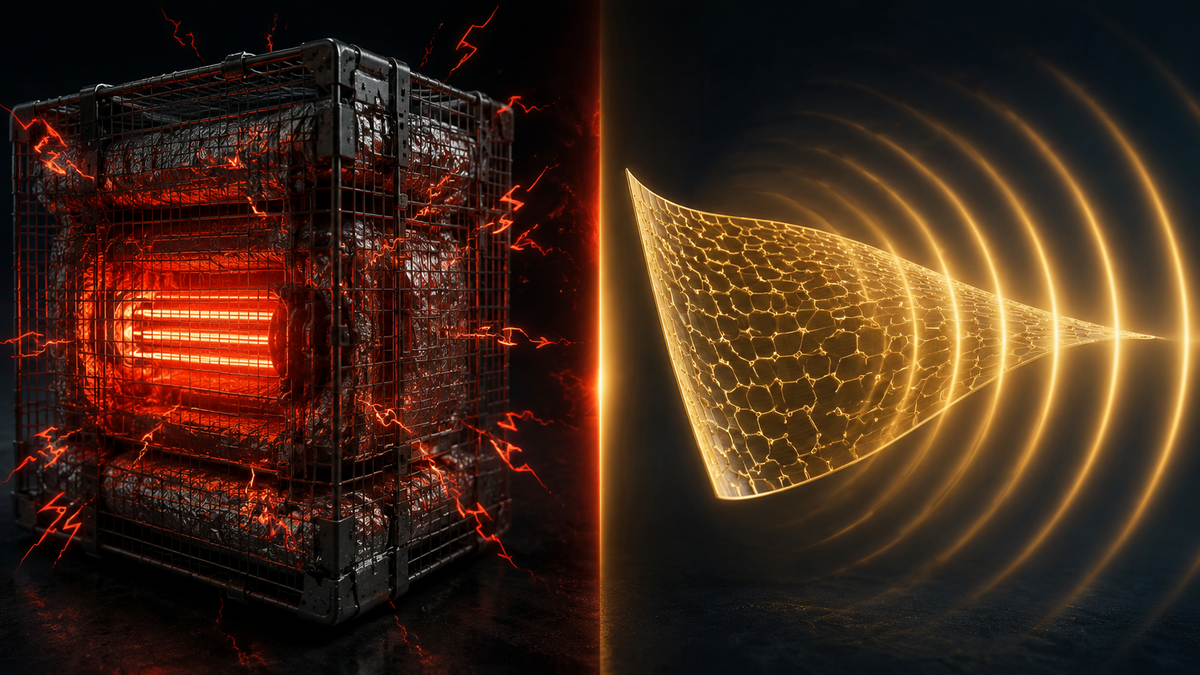
Wire Heating Pad vs Graphene Heating Pad
This is where the market starts to split.
| Evaluation Factor | Traditional wire heating pad | Graphene heating film pad |
|---|---|---|
| Active heating form | Routed wire or segmented resistive path | Flexible film-based active layer |
| Thickness pressure | Higher because routing needs protection | Lower when film is integrated well |
| Bend conformity | Limited by internal path geometry | Better suited to body-contact formats |
| Heat coverage | Often path-led or zoned | Better suited to broader surface coverage |
| Product story | Commodity warmer | Material-led upgrade and premium platform story |
| OEM differentiation | Lower | Stronger when supported by real engineering data |
The goal is not to pretend every graphene pad is automatically better.
The goal is to show why the internal architecture changes the product ceiling.
Why Graphene Film Changes the Conversation
Graphene heating film matters because it shifts the comparison away from routed-wire protection and toward a flatter active layer.
That matters when the product brief values:
- lower bulk
- broader surface heating
- improved bend conformity
- a stronger engineering narrative
- OEM-ready integration logic
For XIHE, the relevant public anchors include:
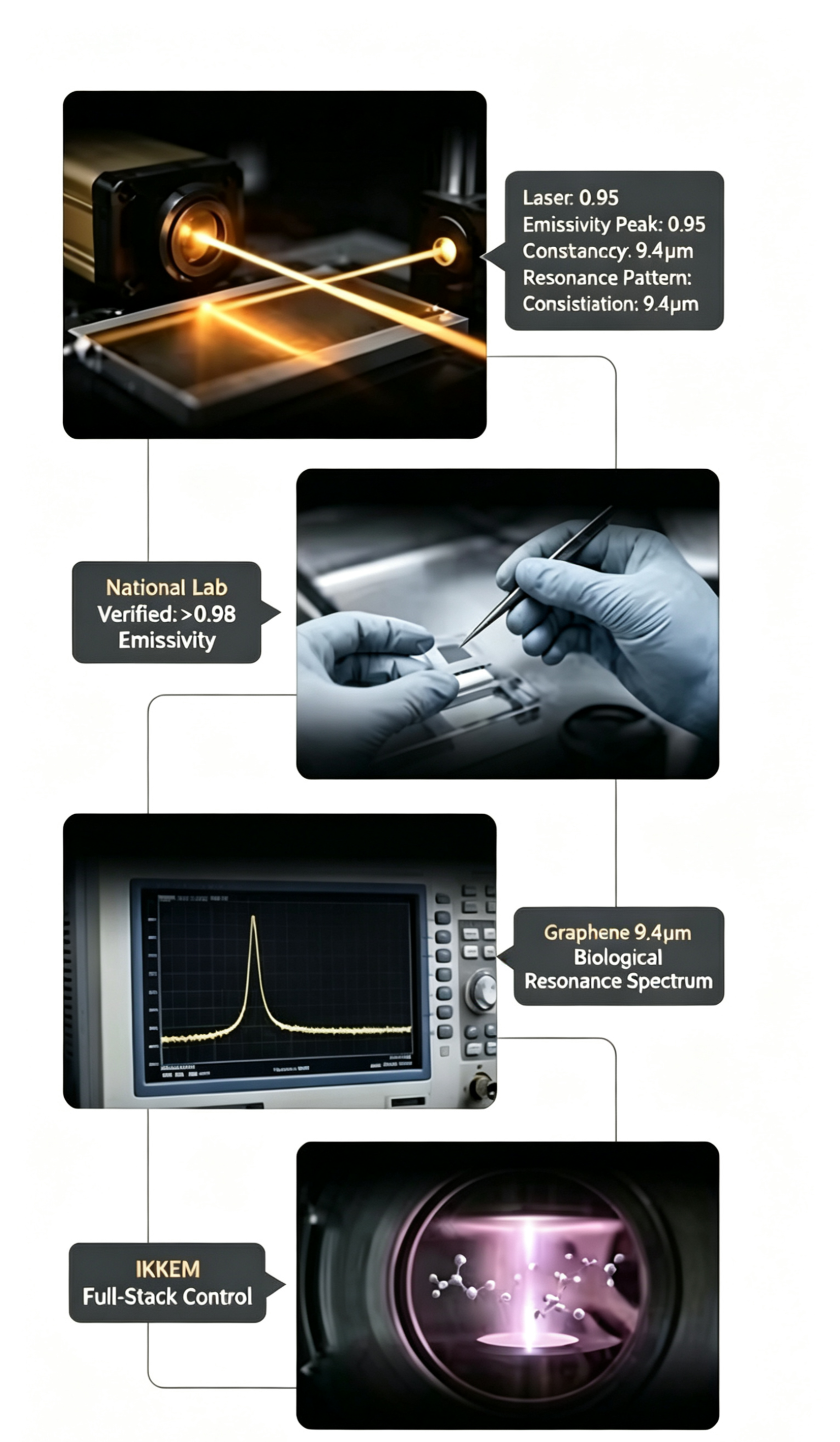
- NIQS-tested 0.88 normal spectral emissivity
- 68% infrared radiant output efficiency
- flexible-format integration logic
- product pathways into wearables and targeted warm-comfort formats
These signals do not prove every outcome.
They do show why graphene is worth comparing seriously.
A Better Heating Pad Buyer Checklist
If you are comparing heating pads seriously, ask:
- What is the active heating architecture?
- How much thickness comes from protecting the active layer?
- Does the pad bend naturally against the body?
- Is the warmth segmented or broadly distributed?
- How fast does the pad become useful?
- Does the supplier provide real engineering context or just comfort language?
These questions are much more useful than comparing only timer settings and cover fabric.
Where XIHE Fits
XIHE should not pretend to be a generic heating-pad brand.
The stronger bridge is:
people search for heating pads, but the real upgrade path is better heating architecture.
That is why heating-pad traffic can lead naturally into:
- graphene heating film
- portable targeted wearables
- body-area-specific warm-comfort products
The search language is the entry point.
The platform story is the differentiator.
Bottom Line
A good heating pad is not defined by heat alone.
It is defined by how well the active layer supports:
- thin comfortable construction
- bend conformity
- broad surface warmth
- responsive use
- credible product engineering
That is why what makes a good heating pad is really a question about architecture.
What to Read Next
- Why Heated Pads Fail: Wire Heaters vs Graphene Heating Film
- Graphene Heating Film
- Deep Recovery
- Graphene Heating Film vs Nichrome Wire
- How to Evaluate Far Infrared Heating Film
Scientific Disclaimer
This page is for product, material, and OEM evaluation only.
It does not provide medical advice and does not claim that one heating-pad architecture guarantees a health outcome.
EVIDENCE QUESTIONS
What makes a good heating pad?
A good heating pad balances warmth quality with thickness, flexibility, broad surface coverage, controlled response, material comfort, and practical usability. The best product is the one whose internal heating architecture fits the real use case.
What is the best heating element for a heating pad?
There is no universal best option. Wire heaters, carbon-based layers, and graphene heating film all solve different design problems. The right answer depends on whether the product needs lower bulk, better conformity, broader surface heating, or lower-cost mature construction.
Why do some heating pads feel bulky or uneven?
That usually comes from the internal architecture. Routed wires, stitched zones, and protective build-up can all make a pad feel thicker, stiffer, and less uniform.
What should OEM buyers compare first?
Start with thickness, bend behavior, heat coverage, response speed, durability, material comfort, and whether the supplier can explain the active layer with documented data rather than generic warming claims.
CONTINUE EXPLORING
Why Heated Pads Fail: Wire Heaters vs Graphene Heating Film
Why do so many heated pads feel bulky, uneven, or slow? Compare wire-heater pads with graphene heating film through heating architecture, conformity, thermal response, durability, and OEM design logic.
Custom Graphene Heating Film — Flexible Heating Elements for OEM/ODM Integration
Custom flexible graphene heating film for OEM/ODM integration — large-area edge-compensated thermal distribution qualified on 240-point 1.0×2.4 m panels, NIQS-certified 0.88 emissivity, 10-piece MOQ, 5–240 V design, from prototype to mass production.
What Is Far Infrared Graphene? Technology, Emitter Architecture, and Evaluation
Far infrared graphene technology uses a graphene-based emitter to convert electrical input into far infrared radiant output. Learn how it differs from conventional heating elements, how to evaluate emitter architecture, emissivity, radiant efficiency, and supplier evidence.
What Is Far Infrared Graphene? Technology, Emitter Architecture, and Evaluation Articles
Browse all XIHE knowledge articles filed under what is far infrared graphene? technology, emitter architecture, and evaluation.
DEEP RECOVERY
Evaluate XIHE Deep Recovery wearables for knee, neck, and lumbar warm-comfort support. The page focuses on wearable format, far infrared graphene emitter positioning, OEM potential, and buyer comparison rather than treatment claims.
Are Heated Eye Masks Safe? What Buyers Should Check First
Are heated eye masks safe? The practical answer depends on temperature control, session duration, face-contact materials, charging design, and whether the product is disposable or reusable.